Understanding Pakistan’s Calibrated Fuel Price Structure
Consumers in Pakistan consistently pay significantly more for petrol and high-speed diesel than their base cost. This discrepancy is primarily due to substantial government levies and intricate industry margins. These structural additions have propelled the overall fuel prices to elevated levels, even in the absence of sales tax. Therefore, comprehending these components is critical for citizens and policymakers alike.
The Calibration of Levies and Margins
Official sources confirm that a precise sum of Rs. 124.95 per liter is charged through taxes and margins on petrol. Similarly, Rs. 117.15 per liter is appended to the price of high-speed diesel under these same classifications. This systematic application of charges critically influences the final consumer rate. Consequently, it creates a substantial difference from the initial base price.
The Translation: Deconstructing Fuel Costs
The intricate structure of fuel pricing involves several distinct charges. Currently, the government imposes a petroleum levy of Rs. 84.40 per liter on petrol and Rs. 76.21 per liter on high-speed diesel. Furthermore, customs duty adds Rs. 13.31 per liter to petrol prices and Rs. 15.68 per liter to high-speed diesel. This granular breakdown clarifies the direct impact of governmental fiscal policies on the Fuel Price Pakistan.

Direct Charges on Petrol and Diesel
A climate support levy of Rs. 2.50 per liter applies uniformly to both petrol and diesel. This particular charge underscores environmental considerations within the pricing framework. Additionally, consumers bear a dealer commission of Rs. 8.64 per liter for both fuel types. This commission directly compensates the distribution network for its operational services.

Oil Marketing Company Margins and Freight Equalization
Oil marketing companies strategically secure a margin of Rs. 7.87 per liter on petrol. The Inland Freight Equalization Margin (IFEM) further contributes Rs. 8.23 per liter to petrol prices. For high-speed diesel, the IFEM is calibrated at Rs. 6.25 per liter. Notably, despite these substantial fiscal burdens, no sales tax is currently applied to either petrol or diesel, a point of continuous observation.

The Socio-Economic Impact: Daily Life and Economic Efficiency
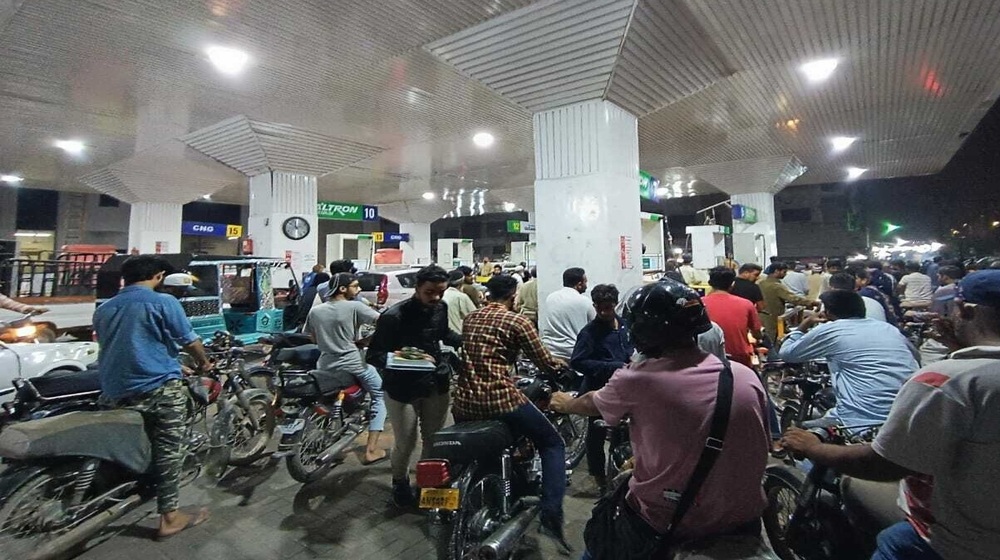
This structural pricing directly impacts the daily lives of Pakistani citizens. For urban commuters and rural transporters, the inflated Fuel Price Pakistan translates into higher operational costs. Students relying on public transport experience increased fares, while households face elevated budgets for commuting and essential goods due to rising transportation expenses. Ultimately, these costs permeate the entire supply chain, affecting everything from food prices to manufacturing overheads. This situation necessitates strategic planning for economic resilience.
The Forward Path: A Stabilization Move for the Economy
Before the application of these duties and levies, the base price of petrol stands at Rs. 133.22 per liter, yet the final consumer price escalates to Rs. 258.17 per liter. Similarly, the actual price of high-speed diesel is Rs. 158.55 per liter, but consumers pay Rs. 275.70 per liter at the pump. This pricing mechanism, while substantial, represents a Stabilization Move. It provides critical revenue streams for national infrastructure and social programs. However, for sustainable national advancement, a continuous recalibration of these levies is essential to balance fiscal needs with the imperative of fostering economic growth and mitigating consumer burden.