Pakistan’s sporting infrastructure is undergoing a significant architectural shift with the planned launch of a new professional, club-based Pakistan Football League. This strategic initiative, announced by Pakistan Football Federation (PFF) President Mohsen Gilani, aims to cultivate a sustainable football ecosystem rooted in local community development. Consequently, the league will prioritize grassroots talent and long-term club sustainability over the franchise model.
A Calibrated Approach to the Pakistan Football League Structure
The Translation: Defining a “PFF-Style” Model
The proposed Pakistan Football League will operate on a club-based, commercial framework, distinct from the franchise models seen in leagues like the Pakistan Super League (PSL) or India’s Indian Super League (ISL). Gilani emphasized a “PFF-style” structure, which strategically focuses on strengthening foundational club systems. This ensures long-term viability and cultivates talent organically from local communities. Essentially, it’s about building from the ground up, rather than a top-down, transient ownership model.
The Socio-Economic Impact: Empowering Local Ecosystems
This structural decision profoundly impacts the daily life of a Pakistani citizen. A club-based league fosters localized economic growth through sustained employment for players, coaches, and support staff. Furthermore, it creates new opportunities for youth participation and community engagement in urban and rural areas. Students gain accessible pathways into professional sports, while local businesses benefit from increased activity around club infrastructure. This system generates a robust, self-sustaining sports economy.
The “Forward Path”: A Momentum Shift for Grassroots
This development undeniably represents a Momentum Shift for Pakistani football. The focus on club foundations and grassroots development is a crucial, sustainable strategy. It moves beyond short-term spectacle to build a resilient framework that can uplift the sport across all levels. This calibrated approach is essential for true national advancement in athletics.
Strengthening National Teams: A Strategic Imperative
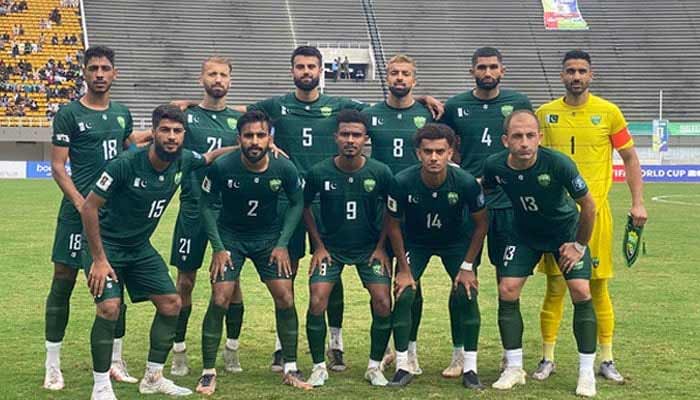
The federation’s immediate priority is the precise strengthening of both national men’s and women’s teams, concurrently enhancing infrastructure and governance. An experienced coach is now at the helm, a critical resource Pakistan previously lacked. Former Peru international Norberto Solano’s appointment is a strategic move to elevate national team performance. He will soon conduct a national training camp to prepare for the upcoming Myanmar fixture, despite the scheduling challenges posed by Ramadan.
Furthermore, team selection maintains complete autonomy under the coach’s purview. The PFF president clearly stated, “It is not the job of the PFF president to decide who plays.” The federation will provide full support to Solano, ensuring that only the most suitable players represent Pakistan based on merit and coaching assessment.
Investing in Infrastructure: The Foundation for Growth
Significant structural enhancements are underway to improve football infrastructure. This includes the strategic installation of mini-pitches across the country, two of which are already operational. The anticipated visit from the FIFA president underscores global recognition and potential for further support. Gilani’s established relationships within FIFA and with other federations have streamlined administrative processes and facilitated crucial cooperation in training players, coaches, and referees. This foundational investment is crucial for long-term athletic capacity building.
Historically, Pakistan’s football activities faced nearly a decade of suspension due to internal disputes and FIFA interventions. This new focus on transparent governance and external partnerships marks a critical departure from past systemic inefficiencies, setting a baseline for future progress.

Bridging Divides Through Football Diplomacy
Regional engagement exemplifies the unifying power of sports. Pakistan and India recently competed in the SAFF futsal tournament in Thailand, characterized by a remarkably positive atmosphere. Gilani affirmed football’s potential as a structural bridge between the two nations. He further confirmed active discussions with the government regarding Pakistan’s participation in the SAFF Championship, signaling a strategic intent to leverage sports for diplomatic advancement.
Unifying Talent: The Merit-Based Selection Policy
Addressing the critical debate over overseas-based players, Gilani advocated for the dissolution of any distinction between diaspora and locally based footballers. He stated, “If a player is eligible to represent Pakistan, then he is a Pakistani footballer.” Eligibility confirmed by FIFA and suitability assessed by the coach are the sole criteria. This policy ensures that Pakistan’s national teams are composed of the absolute best talent, regardless of their geographical training base, optimizing performance potential.
Projected Trajectory: A Two-Year Catalyst for Advancement
Tangible improvements in national performance are systematically projected within a two-year timeframe. The significant progress demonstrated by the under-17 team serves as empirical evidence of a strengthening development pipeline. Furthermore, women’s football has exhibited encouraging results in recent months. Consequently, Gilani expressed optimism that the new Pakistan Football League, along with women’s football, will experience substantial growth and achieve new baselines of success within the next twenty-four months. This marks a strategic and measurable path toward national sporting excellence.