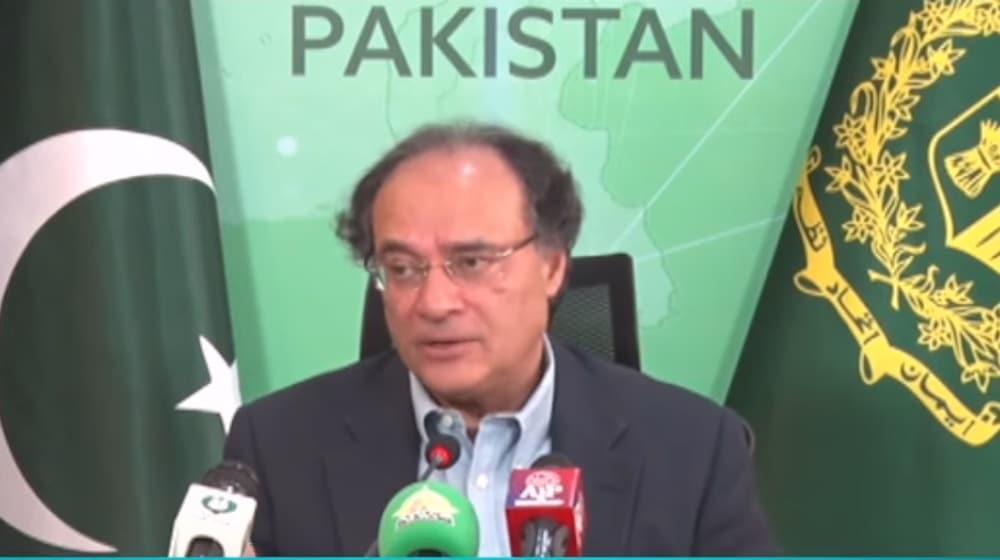
Pakistan’s economic architecture is undergoing a significant structural recalibration. Finance Minister Muhammad Aurangzeb has formally articulated an accelerated Pakistan SOE Reform strategy, emphasizing the transparent privatization of state-owned enterprises. This decisive action aims to optimize national resources and mitigate persistent fiscal burdens, thereby redirecting capital towards more productive sectors of the economy. A baseline of 26 government-owned institutions has already transitioned to the Privatization Commission, marking a pivotal step in this ongoing fiscal restructuring.
Strategic Imperatives for Public Sector Optimization
The government’s mandate is clear: divest from non-performing assets to foster a more dynamic economic landscape. Minister Aurangzeb affirmed the immediate transfer of 26 state-owned entities to the Privatization Commission, initiating a calibrated process. Furthermore, additional entities are slated for privatization in subsequent phases. This strategic move is poised to enhance operational efficiencies and unlock significant economic potential across various industries.

The Translation (Clear Context)
For the average Pakistani citizen, the term “state-owned enterprise” (SOE) refers to businesses like PIA, PWD, or utility providers that the government manages. Historically, many of these entities have operated at a loss, requiring substantial taxpayer money to sustain them. The current Pakistan SOE Reform initiative means the government is selling these businesses to private companies. The logical outcome is reduced financial drain on national coffers, potentially leading to more efficient services and a decrease in the fiscal deficit.
Measuring Fiscal Discipline: A Reduction in State-Owned Enterprise Losses
Demonstrable progress in fiscal discipline is evident. Over the past three years, SOE losses have systematically declined by a substantial Rs. 74 billion. This robust reduction saw losses decrease from Rs. 905 billion in 2023 to Rs. 851 billion in 2024, further stabilizing at Rs. 832 billion in 2025. Consequently, this translates into daily savings of approximately Rs. 142 million, representing a significant optimization of national expenditure. Although the government provided Rs. 2.1 trillion in financial support, the sector recorded a net positive inflow of Rs. 40 billion last fiscal year, illustrating a strategic financial pivot.

Conversely, even some historically profitable entities, such as the Oil & Gas Development Company Limited (OGDCL), experienced a decline in profits during this period. This underscores the systemic challenges within the broader SOE framework, necessitating a comprehensive reform agenda.
Targeted Divestment: Addressing Inefficiencies and Corruption
The Pakistan SOE Reform strategy has also encompassed decisive action against persistent inefficiencies. Several critically loss-making institutions, including the Pakistan Public Works Department (PWD), Utility Stores Corporation, and PASSCO, were systematically closed. This measure directly addressed widespread leakage, theft, and corruption embedded within their subsidy mechanisms, ensuring greater fiscal integrity.
Furthermore, successful privatizations have already been executed, notably with the First Women Bank and Pakistan International Airlines, both completed through transparent processes. The privatization of the Agricultural Development Bank is concurrently advancing to its final stages. Looking ahead, the government plans to divest from the House Building Finance Corporation and five electricity distribution companies, projecting further substantial savings and enhanced operational frameworks.
The Socio-Economic Impact: Calibrating Prosperity for Pakistani Citizens
The accelerated Pakistan SOE Reform has profound implications for daily life. For students and professionals, efficient, privatized entities could mean improved services, faster processing times, and potentially new job opportunities in more competitive private sectors. For households in urban and rural Pakistan, the divestment from loss-making utilities could lead to more stable, higher-quality services, albeit potentially with market-adjusted pricing. Ultimately, a financially healthier government, freed from SOE subsidies, gains increased capacity to invest in critical social programs like education, healthcare, and infrastructure, directly benefiting all citizens.
The “Forward Path”: A Strategic Momentum Shift
This comprehensive Pakistan SOE Reform represents a definitive Momentum Shift. The strategic intent is clear: to transition from a legacy of state-subsidized inefficiencies towards a baseline of market-driven productivity. This is not merely maintenance; it is a structural realignment designed to unleash Pakistan’s economic potential. The proactive divestment from non-performing assets and the commitment to transparency signal a robust, forward-thinking approach that prioritizes long-term national advancement over short-term fiscal appeasement. It is a necessary recalibration to ensure sustainable economic growth.