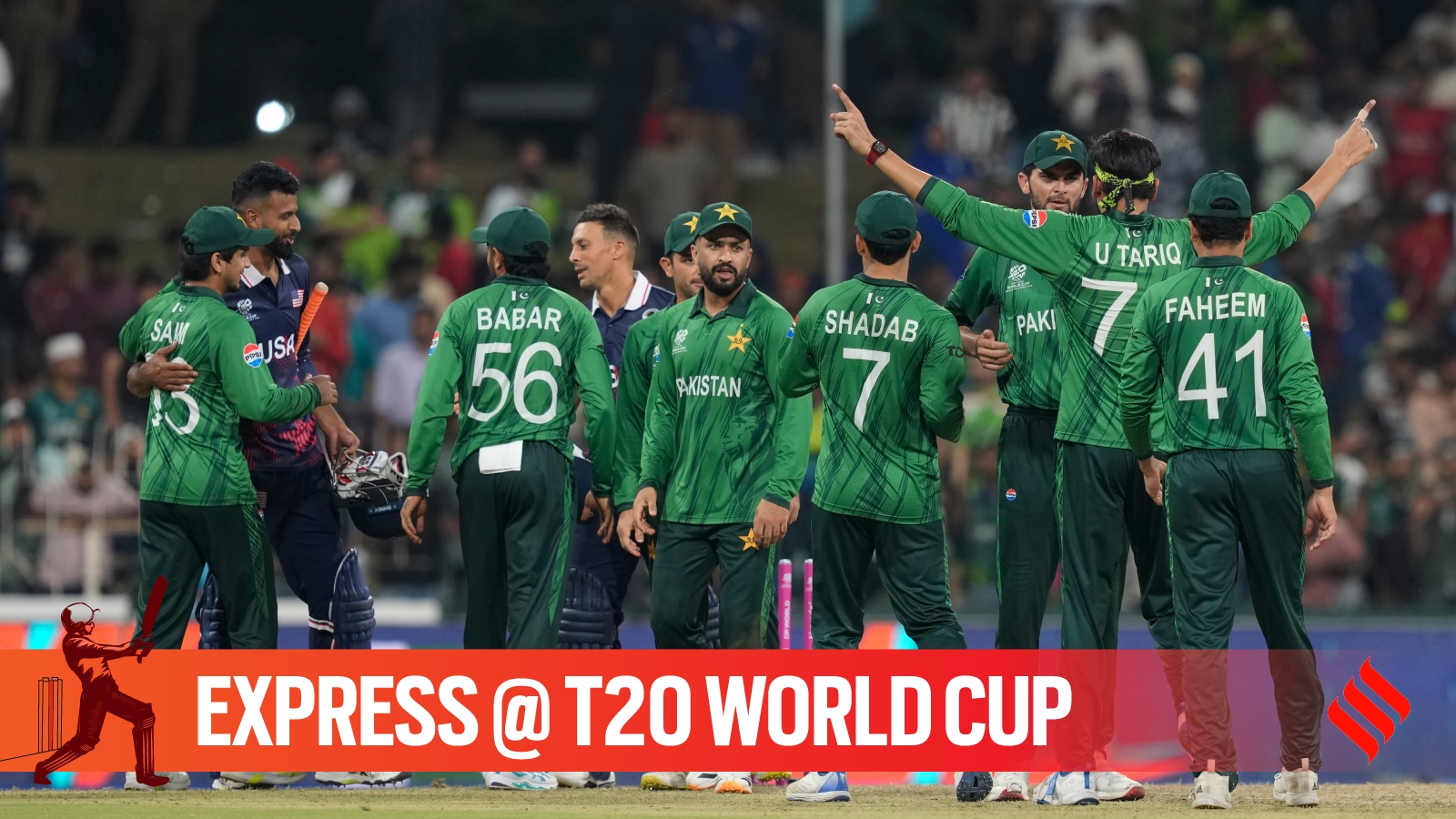
Optimizing Spin: Pakistan’s Historic T20 World Cup Strategy
The strategic deployment of resources, even when yielding mixed outcomes, offers critical data for refining future operational blueprints. Pakistan’s recent T20 World Cup fixture against India unveiled a significant calibration in bowling strategy. This match established a unique Pakistan bowling record by deploying an unprecedented six spin options. This tactical decision represents a crucial pivot towards adaptive cricket, setting a new benchmark for innovative gameplay. The bold move highlights a proactive approach to leveraging specific pitch conditions, defining a new era of T20 World Cup Spin Strategy.
The Translation: Deconstructing the Spin-Heavy Rationale
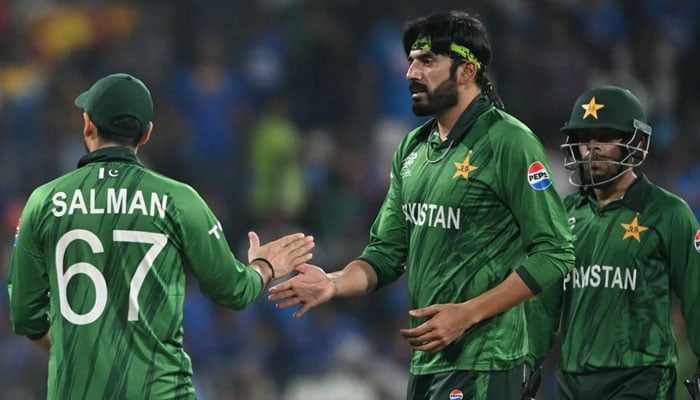
Pakistan’s decision to utilize six spinners marks a calculated departure from conventional tactics, moving beyond a sole reliance on fast bowling. Essentially, the tactical architects anticipated the R Premadasa Stadium pitch would significantly assist slow bowlers, consequently diminishing pace effectiveness. This structural shift in bowling composition aimed to maximize wicket-taking potential and limit scoring opportunities against the Indian batting lineup. Furthermore, the selection of Mohammad Nawaz, Saim Ayub, Shadab Khan, Abrar Ahmed, Usman Tariq, and captain Salman Ali Agha underscored a proactive approach to game theory. Adapting personnel directly to environmental variables is crucial for calibrated performance on the global stage.
Socio-Economic Impact: Direct Benefits for Pakistani Citizens
This strategic move, establishing a unique Pakistan bowling record, profoundly impacts the perception of domestic cricket talent and tactical ingenuity. For young Pakistani students and aspiring professionals, it unequivocally highlights the increasing value of specialized skills in spin bowling. Consequently, it could catalyze greater investment in spin academies and coaching at grassroots levels across both urban and rural Pakistan. Moreover, this bold decision fosters national pride, demonstrating Pakistan’s willingness to innovate and challenge conventional cricketing paradigms. Families gathered around screens witness a nation leveraging its inherent talent for spin, potentially inspiring a new generation of players to pursue this specific craft with renewed vigor. Ultimately, it reinforces a culture of strategic thinking within the national sports system.
Performance Analysis: Evaluating Spin Outcomes Against India
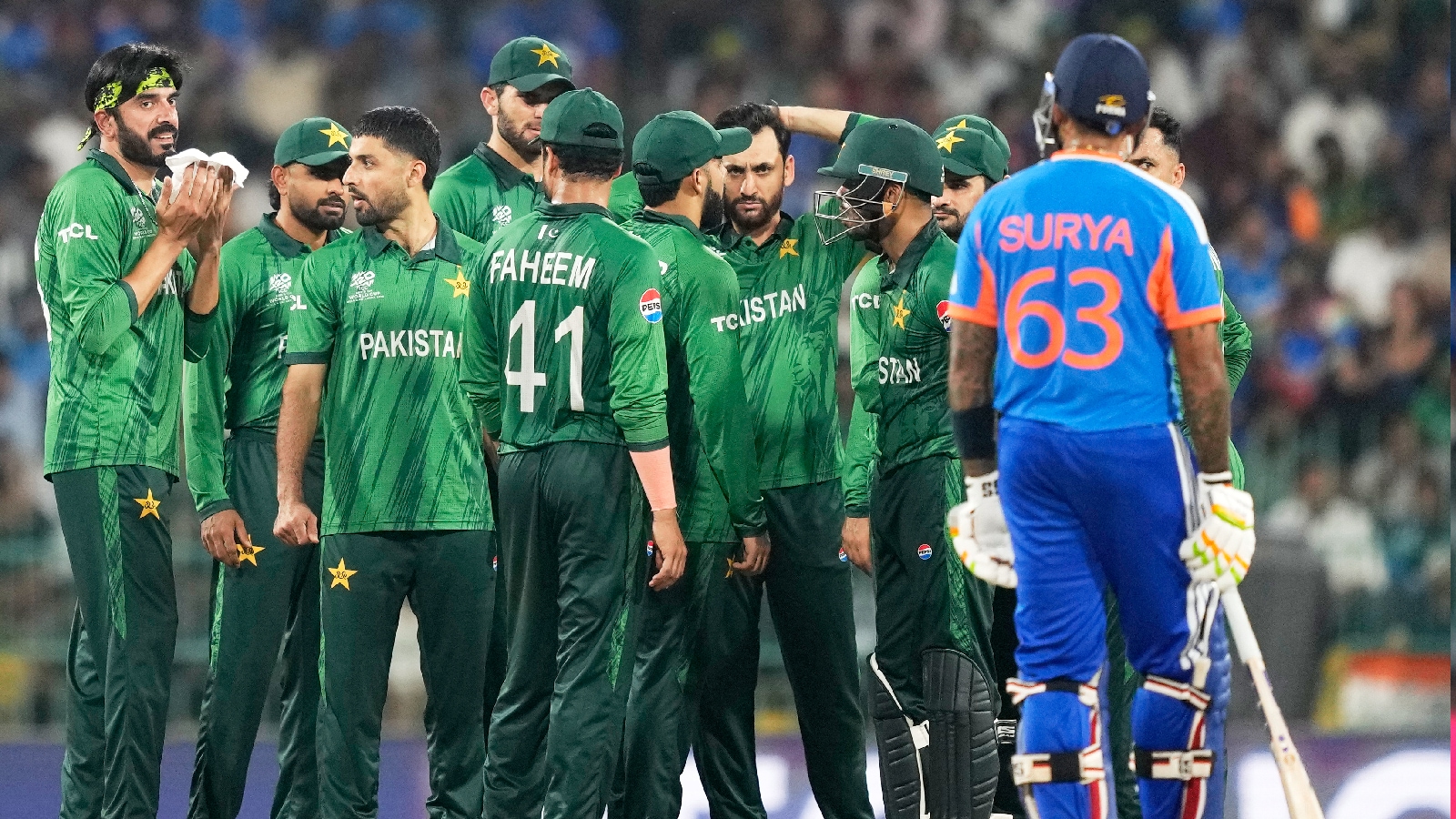
Despite the innovative strategy, the collective spin attack delivered 18 overs, conceding 142 runs and claiming five wickets. Saim Ayub delivered an exemplary performance, securing three wickets for only 25 runs in his four overs, demonstrating precision and control. Usman Tariq and Captain Salman Ali Agha each contributed one wicket to the tally. In contrast, Abrar Ahmed conceded 38 runs in three overs, and Shadab Khan yielded 17 runs in a single over, highlighting areas for calibrated refinement. The Indian batting lineup, spearheaded by Ishan Kishan’s blistering 77 off 40 balls and supported by Suryakumar Yadav’s 32, effectively countered the spin dominance, posting a robust total of 175 for 5. Consequently, strategic adjustments are imperative for optimizing future Cricket Spin Tactics.

The Forward Path: A Stabilization Move for Future Growth
This strategic deployment, while creating a historic milestone, represents a “Stabilization Move” rather than a definitive “Momentum Shift.” It demonstrates Pakistan’s systemic capacity for tactical adaptation to specific conditions, a crucial baseline for competitive sport. However, the overall match outcome suggests that while the intent was forward-thinking, the execution requires further iterative refinement across the squad. The performance data provides clear metrics for optimizing player roles and enhancing collective spin effectiveness. Moving forward, a data-driven approach to player selection and strategy will be essential for transforming such innovative tactics into consistent winning results. Precision in execution is the next critical phase of developmental advancement for Pakistan cricket.