Strategic Digital Expansion: High-Speed Internet in Sindh
Pakistan’s federal government has initiated critical fiber and broadband projects, extending high-speed internet access to Sindh’s Badin and Sanghar districts. This calibrated expansion marks a pivotal component of the nation’s broader digital transformation strategy. Furthermore, this move aims to integrate historically underserved communities into the rapidly evolving digital economy, fostering robust growth and connectivity. Consequently, this infrastructure upgrade will serve as a baseline for future technological advancements across the region.
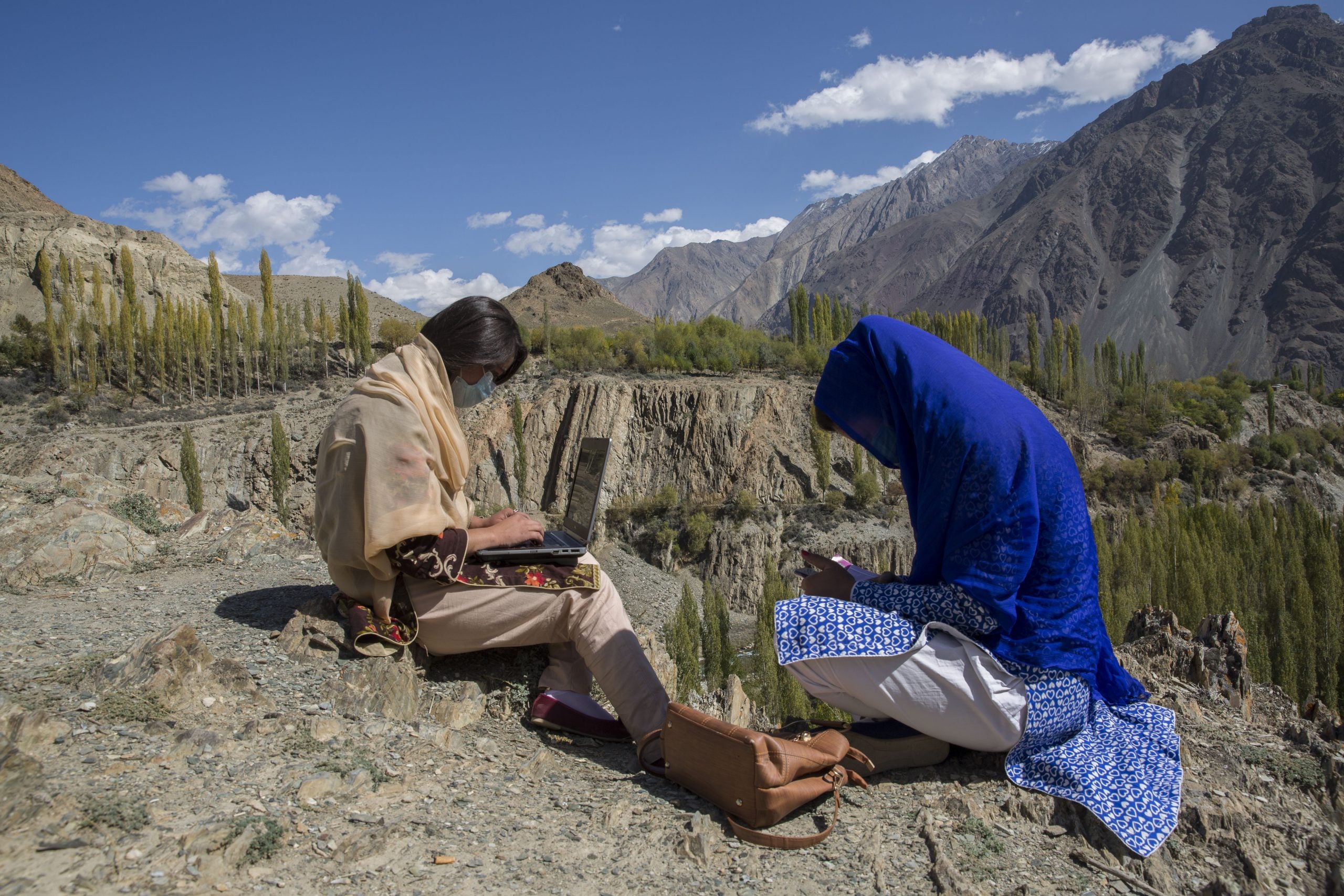
The Translation: Calibrated Connectivity for High-Speed Internet in Sindh
Federal Minister Shaza Fatima Khawaja affirmed the government’s resolute commitment to accelerating digital integration. These projects, executed by the Universal Service Fund under the Ministry of Information Technology and Telecommunication, are not merely about providing internet; they are about establishing a foundational digital infrastructure. Specifically, this initiative addresses geographical disparities in access, ensuring that rural and semi-urban areas receive the same quality of connectivity as major urban centers. Therefore, it lays the groundwork for equitable digital participation.
Digital connectivity is definitively a cornerstone of economic advancement. Minister Khawaja highlighted that enhanced internet access empowers youth, freelancers, and small businesses to actively participate in the digital economy. In contrast to past limitations, this development directly facilitates online education, remote work, and digital entrepreneurship. Furthermore, the forthcoming 600 MHz spectrum auction is poised to significantly augment mobile internet capacity and service quality nationwide, directly strengthening vital sectors such as e-commerce, e-governance, and public service delivery.
The Socio-Economic Impact: Transforming Daily Life
This initiative profoundly impacts the daily life of Pakistani citizens, particularly within Badin and Sanghar. Students in these districts will gain unprecedented access to online educational resources, bridging long-standing learning gaps. Professionals, especially freelancers and small business owners, will find new avenues for economic growth, escaping geographical constraints. Consequently, this allows for remote work opportunities and expanded market reach. Moreover, households will experience improved access to e-health services, online banking, and vital government information, directly enhancing their overall quality of life. This structural upgrade offers a tangible improvement for both urban and rural Pakistan.

The “Forward Path”: A Momentum Shift
The strategic deployment of high-speed internet in Sindh’s Badin and Sanghar districts represents a clear momentum shift for Pakistan’s digital landscape. Awarding contracts to partners like Dancom Pakistan and Jazz is a precise step towards achieving nationwide digital equity. This is not simply maintenance; it is a proactive expansion. This focused investment in underserved regions acts as a significant catalyst, driving both economic empowerment and social inclusion. Ultimately, it ensures Pakistan’s digital infrastructure is robust and ready for future challenges and opportunities, securing a more connected and prosperous future.
During the project award ceremony, Governor Kamran Khan Tessori underscored the ministry’s commitment to digital transformation, acknowledging Prime Minister Shehbaz Sharif’s leadership in promoting technology-driven development. This collective strategic focus reinforces the national imperative for digital advancement. Furthermore, the minister’s visit to the Saylani Welfare International Trust’s IT facility highlights the nation’s youth potential and the increasing influence of artificial intelligence. These integrated efforts collectively drive Pakistan towards a digitally empowered future.