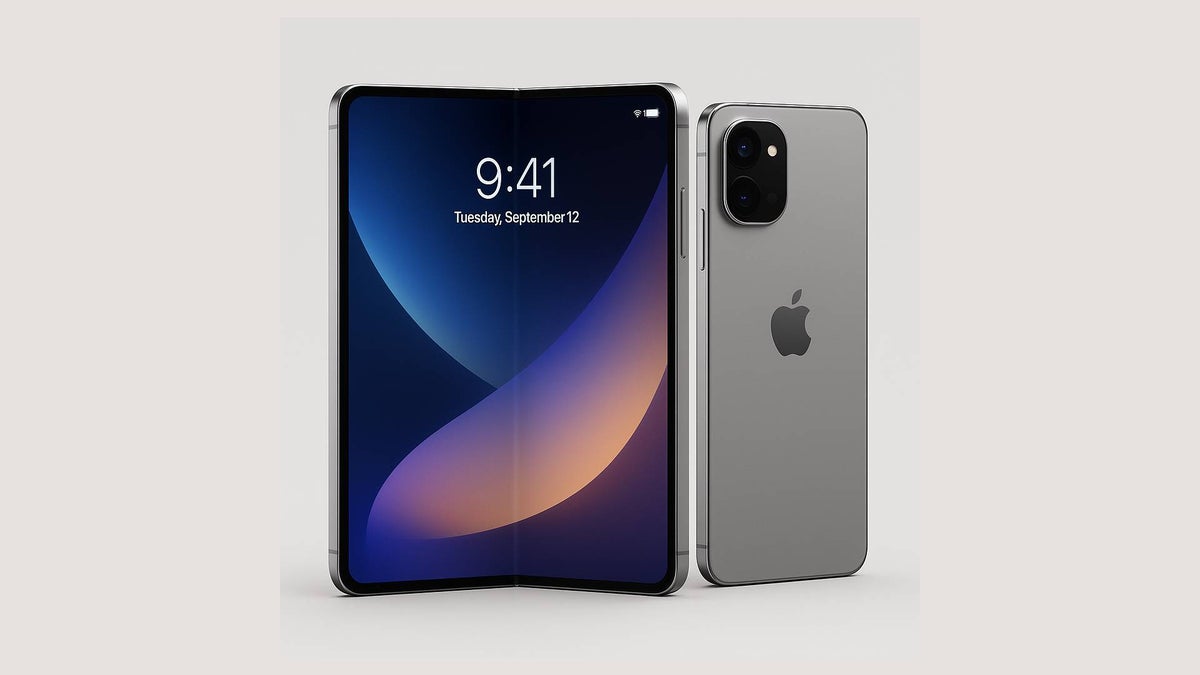
Revolutionizing Mobile Architecture: Apple’s iPhone Foldable Designs
Apple is strategically advancing its entry into the foldable smartphone sector, meticulously developing not one, but two distinct iPhone foldable designs. Initial reports confirm a robust internal testing phase for both the anticipated book-style iPhone Fold, slated for a September debut, and a novel clamshell variant, provisionally termed the iPhone Flip. This dual-path development underscores Apple’s calibrated approach to capture diverse segments of the rapidly evolving mobile market.
The Translation: Deconstructing Apple’s Foldable Ambition
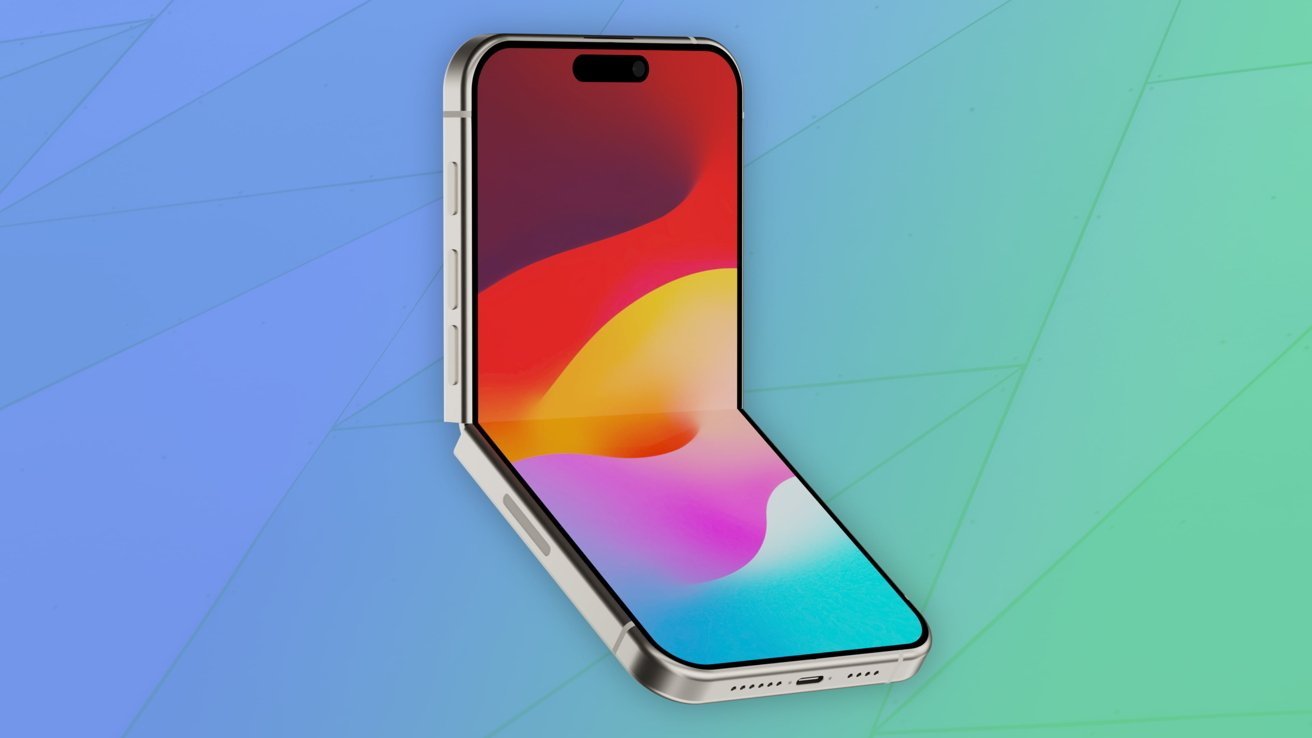
Industry insights, corroborated by a Bloomberg report, indicate Apple has transitioned beyond conceptual discussions. The company is actively building and testing functional prototypes of the flip-style device, signifying a critical progression in its R&D lifecycle. While Apple has not yet committed to mass production, this internal validation process is a crucial step. Furthermore, earlier analyses from established industry experts also pointed towards Apple’s evaluation of a square, flip-style form factor. Consequently, this demonstrates a calculated exploration of multiple design directions, rather than concentrating resources on a singular model, to optimize market penetration.

The Socio-Economic Impact: A New Era for Pakistani Users
The introduction of these advanced foldable devices by Apple represents a significant technological leap that will directly influence Pakistani citizens. For students and professionals, the book-style iPhone Fold could offer unprecedented productivity, transforming a smartphone into a tablet-like device for enhanced study and work. Conversely, the compact iPhone Flip model promises superior portability, catering to urban commuters and individuals prioritizing discreet, pocket-friendly technology. This expansion of form factors provides consumers with more tailored choices, potentially accelerating the adoption of advanced mobile technology across diverse demographics and economic strata in Pakistan, fostering greater digital integration and accessibility.
Calibrating the Launch Trajectory: Anticipating Release
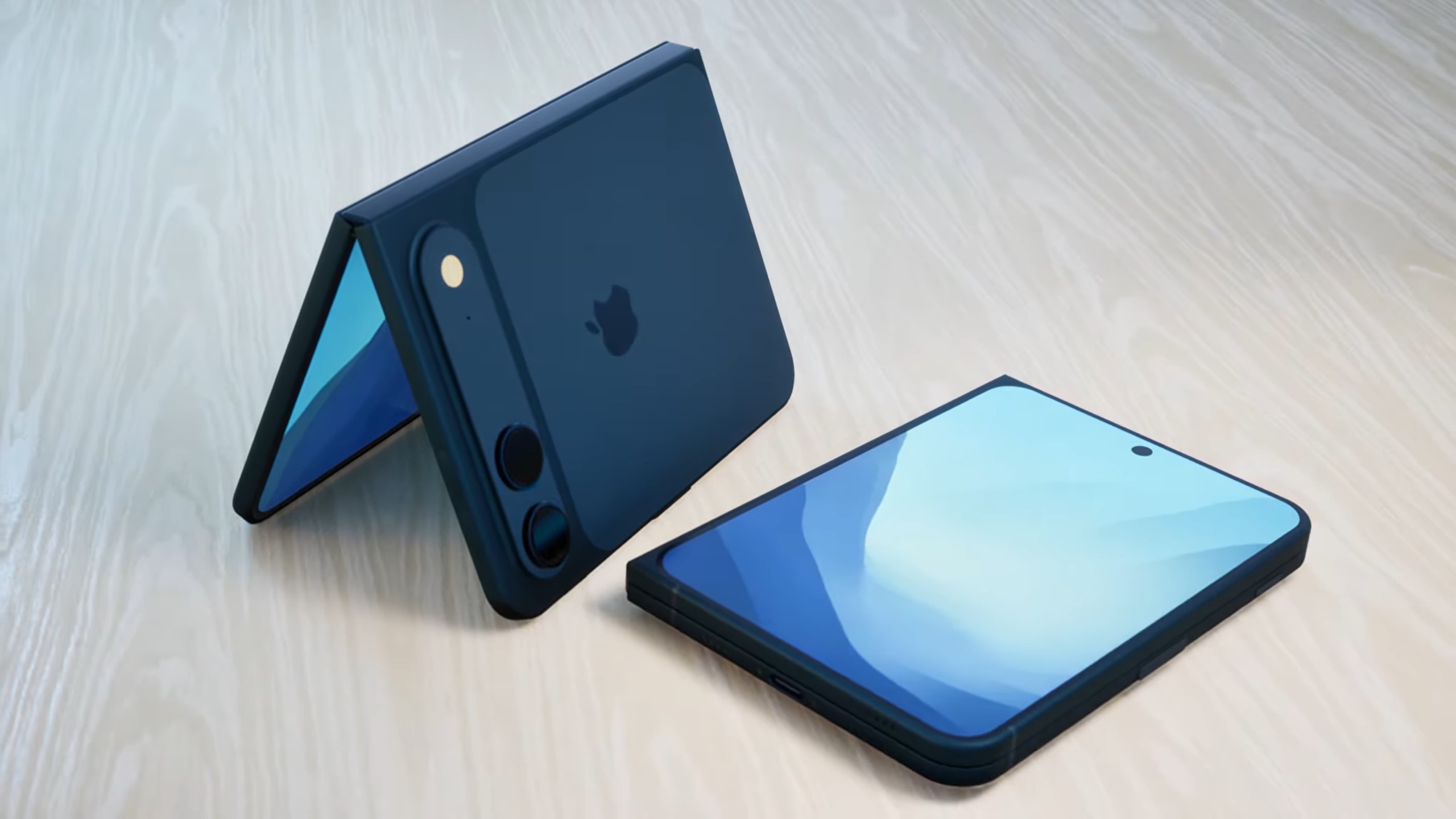
Specific details concerning the testing phase remain under stringent non-disclosure. However, the presence of operational prototypes signifies Apple’s deliberate assessment of multiple design methodologies before solidifying its long-term foldable market strategy. Industry analysts project the earliest feasible launch window for an iPhone Flip could be around 2027. A later release remains a structural possibility, contingent upon continued technological advancements and dynamic market demand. Predominantly, Apple is expected to meticulously monitor consumer reception to its inaugural book-style foldable before initiating full-scale production of an alternative form factor.

Optimized Design for Diverse User Profiles
The book-style foldable, predicted for an earlier market introduction, will structurally prioritize productivity. It is anticipated to feature an expansive internal display, delivering robust tablet-like functionality when completely unfolded. In contrast, the clamshell foldable will strategically target users who assign primary importance to portability and a streamlined, compact design. This device would offer a significantly smaller folded footprint, directly comparable to contemporary flip-style models such as the Samsung Galaxy Z Flip 7 and Motorola Razr 60. Therefore, Apple is designing its new foldable models to cater to distinct user needs.
The “Forward Path”: A Momentum Shift in Mobile Innovation
This dual development strategy by Apple represents a definitive Momentum Shift. By simultaneously exploring distinct foldable smartphone designs, Apple is not merely reacting to market trends; it is actively shaping the future of mobile computing. This proactive stance, balancing large-display productivity with compact portability, positions the company as a catalyst for innovation. Consequently, it compels competitors to recalibrate their own long-term product roadmaps, ultimately benefiting consumers with a wider array of advanced, user-centric devices. This strategic diversification solidifies Apple’s structural leadership in premium smartphone technology.

Apple’s measured entry into the foldable segment, marked by these distinct smartphone concepts, signals a meticulous yet aggressive push to redefine mobile user experiences. The strategic parallel development of both the iPhone Fold and the iPhone Flip demonstrates a comprehensive vision for future device integration, setting a new baseline for technological advancement in the global smartphone arena.