
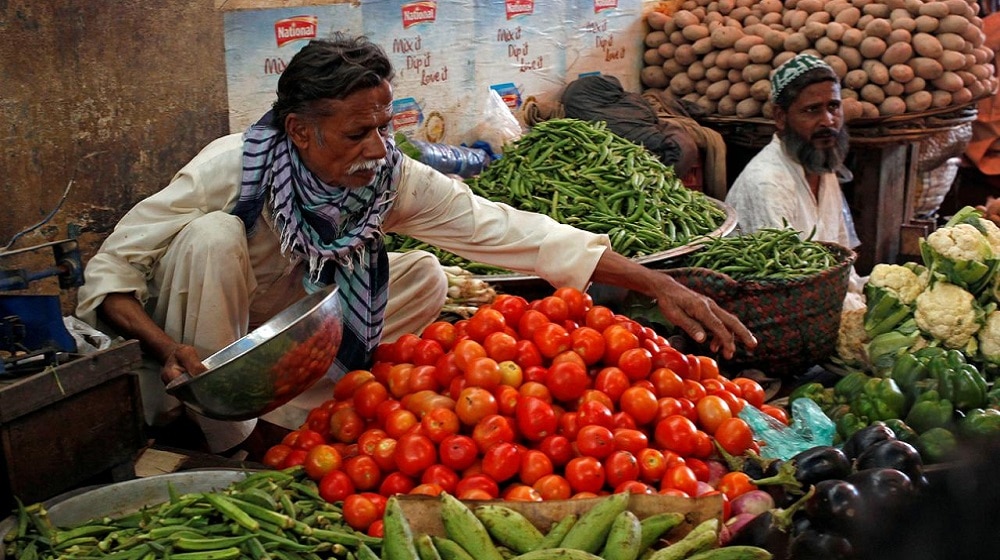
Lahore’s markets are currently experiencing a significant Ramazan price hike across essential commodities, particularly fruits, vegetables, and poultry. This calibrated surge, driven by supply chain tightening and inadequate official price enforcement, places immense pressure on Pakistani households. Consequently, consumers face a substantial burden as market rates frequently exceed government-fixed prices. This underscores a critical need for enhanced market monitoring and strategic intervention before the fasting month fully commences.
The Translation: Unpacking the Ramazan Price Hike Dynamics
The prevailing market volatility in Lahore stems from a structural imbalance: anticipatory supply manipulation by suppliers and middlemen. As the holy month of Ramazan approaches, an observable pattern emerges where supply chains become deliberately constrained. This artificial scarcity, therefore, drives prices significantly above officially stipulated rates.
For instance, bananas, despite an official cap of Rs200–230 per dozen for premium quality, are routinely observed selling for up to Rs350. Furthermore, guava prices have similarly escalated, reaching Rs250 per kilogram in numerous market sectors. This dynamic reveals a systemic challenge where official pricing mechanisms lack the robust enforcement necessary to curb profiteering.

Consequently, the disconnect between policy and market reality directly impacts consumer purchasing power. It actively erodes household budgets dedicated to essential goods during a period of heightened demand. This structural inefficiency demands immediate rectification to ensure market stability.
The Socio-Economic Impact: Daily Life Under Market Pressure
The escalating Ramazan price hike directly impacts the daily life of every Pakistani citizen, from urban professionals to rural families. Households, already navigating existing economic pressures, find their food budgets stretched thin. This forces difficult choices concerning essential nutritional intake.
For example, despite official reductions in poultry rates, consumers report a persistent unavailability of chicken at government-mandated prices. Retail rates frequently reach Rs550 per kilogram in many neighborhoods, with boneless chicken prices remaining similarly elevated. This scenario compels families to either reduce consumption of vital protein sources or allocate a disproportionately larger share of their income to food. The discrepancy between official rates and actual market prices creates a tangible burden, particularly for students and low-income workers striving to maintain nutritional standards during Ramazan.
The Forward Path: Strategic Interventions for Price Stabilization
This development represents a Stabilization Move rather than a Momentum Shift. While the anticipation of increased demand during Ramazan is predictable, the current market response indicates a failure in baseline price control and regulatory oversight. To achieve a calibrated market environment, authorities must implement stronger, data-driven market monitoring protocols.
This involves real-time price tracking, immediate intervention against price gouging, and transparent communication of official rates. Such proactive measures are essential to ensure equitable access to essential commodities for all citizens. They also prevent profiteering from undermining economic stability during critical periods like Ramazan.








