
Precision Adjustment: Understanding Pakistan’s Fuel Price Increase
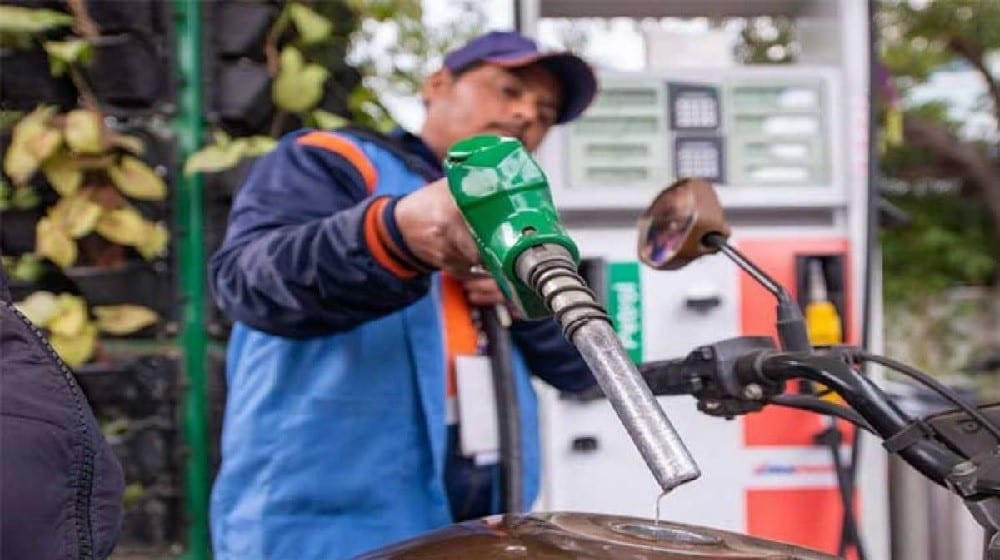
Pakistan’s economic framework has initiated a necessary recalibration, as the federal government officially notified a significant petrol price increase alongside adjustments to diesel rates. Effective February 16, 2026, high-speed diesel will rise by Rs. 7.32 per liter, fixing its new rate at Rs. 275.7. Similarly, motor spirit sees a Rs. 5 per liter increment, reaching Rs. 258.17. This strategic adjustment, spanning the next fortnight, stems directly from recommendations by the Oil and Gas Regulatory Authority (OGRA). Consequently, this measure aims to align domestic fuel costs with global energy benchmarks, ensuring systemic stability within the national economy.
The Translation: Deconstructing Fuel Price Dynamics
This recent directive, emanating from the Petroleum Division, represents more than a mere numerical shift; it functions as a critical mechanism. Essentially, it contextualizes domestic fuel consumption within a volatile global energy landscape. When international crude oil prices or import costs fluctuate, OGRA provides a comprehensive baseline assessment. Subsequently, the government implements these precise adjustments. This prevents a widening fiscal deficit that could arise from subsidies or under-recovery. Furthermore, the 15-day review cycle underscores a calibrated approach to energy pricing. This policy reflects a dynamic rather than static response to market forces. Hence, these revisions are not arbitrary; they are structurally informed by rigorous expert analysis.
The Socio-Economic Impact: Calibrating Household Budgets
How does this latest petrol price increase structurally alter the daily life of an average Pakistani citizen? For instance, students face incrementally rising transportation costs to educational institutions, necessitating immediate budget re-evaluations. Professionals commuting in urban centers will observe a direct impact on their monthly fuel expenditure, consequently influencing their disposable income. In rural Pakistan, where diesel fuels agricultural machinery and goods transport, increased rates translate into higher operational costs for farmers. This ultimately leads to potentially escalated prices for essential commodities. Therefore, this adjustment initiates a ripple effect across various economic sectors, demanding adaptive financial planning from households nationwide. Ultimately, this economic adjustment touches every facet of daily commerce and personal mobility.
- Increased daily commute expenses for urban professionals and students.
- Potential for amplified inflationary pressures on food and essential goods.
- Higher operational costs for agricultural and industrial sectors reliant on diesel.
- Adjustments in household budgets become imperative to mitigate financial strain.
The Forward Path: A Strategic Stabilization Move
From a systemic perspective, this recent fuel price modification represents a Stabilization Move rather than a dramatic Momentum Shift. While any increase undeniably impacts citizens, this calibrated adjustment prevents larger economic distortions that could arise from maintaining artificially low prices. It aligns domestic market realities with global energy dynamics, fostering essential fiscal prudence. Consequently, this disciplined approach, though challenging in the short term, establishes a structural baseline for long-term economic predictability. Moreover, it is a necessary step to fortify the national energy sector against external shocks, ensuring a more resilient and self-sustaining economic infrastructure for Pakistan’s advancement. The judicious management of these vital resources is paramount for sustainable progress.









