Strategic Weather Analysis: Unpacking the Pakistan Weather Forecast
A critical analysis of the impending atmospheric shift indicates a shallow westerly wave will strategically impact Pakistan’s western regions starting February 16th. This system is poised to deliver light to moderate rain-wind and thunderstorms across numerous provinces. Consequently, a precise Pakistan weather forecast is essential for national preparedness, influencing daily operations and agricultural planning across the country. Key regions, including Balochistan, Sindh, and parts of Khyber Pakhtunkhwa, must calibrate their readiness protocols. This timely meteorological advisory from the Met Office underscores the need for proactive measures.
The Translation: Deconstructing Atmospheric Dynamics
A “shallow westerly wave” refers to a weather disturbance originating from the west that moves eastward, bringing moisture and instability. Structurally, these waves introduce upper-air troughs that can trigger precipitation when interacting with localized conditions. For instance, this particular system will induce specific atmospheric conditions conducive to significant rainfall and thunderstorm activity. Understanding this dynamic is crucial for anticipating regional impacts and deploying appropriate response mechanisms. Furthermore, the accompanying gusty and dust-raising winds suggest dynamic atmospheric turbulence requiring attention.
Socio-Economic Impact: Calibrating Daily Life Across Pakistan
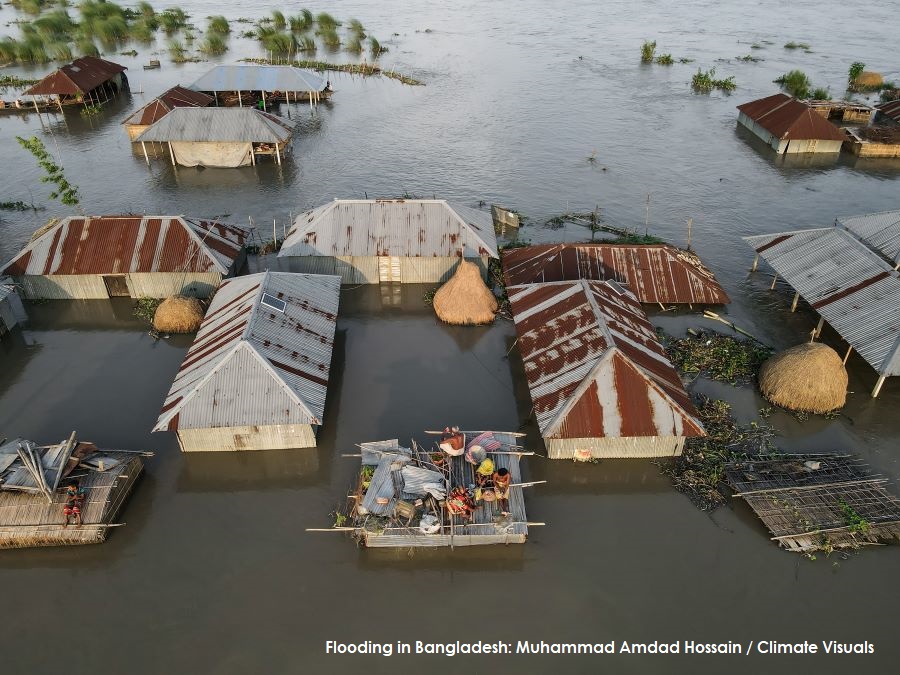
This weather event will catalyze various socio-economic adjustments. In urban centers like Quetta and Karachi, the expected rain and thunderstorms will directly impact commuter logistics and public infrastructure. Students and professionals should anticipate potential disruptions in transport and adjust their daily routines. Rural agricultural sectors, particularly in Balochistan and Sindh, face a dual challenge. While rain is often beneficial, hailstorms in northern Balochistan, D.I Khan, and D.G Khan pose a significant risk to standing crops. Consequently, farmers must implement protective measures for their agricultural assets, safeguarding food security. This forecast demands a national-level adaptive response.
- Urban Mobility: Expect potential traffic delays and revised public transport schedules.
- Agricultural Resilience: Farmers in affected areas, particularly those susceptible to hail, should secure crops and livestock.
- Resource Management: Water management authorities can utilize this precipitation for reservoir replenishment.
The “Forward Path”: A Stabilization Move for National Preparedness
This atmospheric development represents a “Stabilization Move” rather than a disruptive “Momentum Shift.” It underscores the recurring imperative for Pakistan to maintain robust weather monitoring systems and civil preparedness protocols. The forecast highlights an opportunity to test and refine our national infrastructure’s resilience against predictable climatic patterns. Precise data dissemination and public advisories are instrumental in minimizing adverse impacts. Therefore, continuous investment in meteorological technology and community education remains a structural imperative for Pakistan’s forward trajectory, ensuring our systems are robustly calibrated for environmental shifts.