

In a structural move to calibrate energy distribution, the Peshawar High Court (PHC) has issued a critical directive. It ensures no load shedding KP during Sehri and Iftari throughout Ramadan. This decision, stemming from a public petition, mandates uninterrupted electricity supply across Khyber Pakhtunkhwa. Its goal is to alleviate significant hardship for residents and optimize daily routines during the holy month.
The Translation: Calibrating Power Rights and Public Welfare
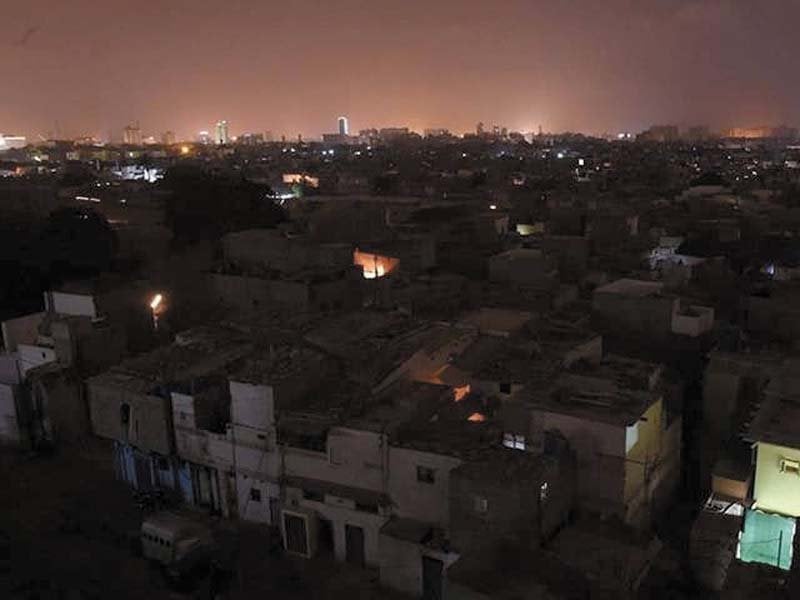
A two-member bench, helmed by Justice Syed Arshad Ali and Justice Fahim Wali, meticulously examined concerns. These centered on erratic power outages. The petitioner’s counsel, Advocate Suleman Khan, presented a clear data point: unannounced power cuts persisted across the province. They severely disrupted daily life, especially during essential Ramadan preparations. Furthermore, the petition detailed specific discrepancies in supply. Urban areas of Peshawar faced structured power cuts of up to four hours. In contrast, certain rural and suburban zones endured prolonged outages, some lasting an astonishing 22 hours. This highlighted a significant systemic inefficiency requiring judicial intervention.
The core of the argument underscored constitutional provisions. The counsel precisely articulated that Khyber Pakhtunkhwa possesses primary rights over its generated electricity. Consequentially, the province not only produces a surplus but also functions as a strategic supplier to other regions. Justice Syed Arshad Ali’s observation during the hearing provided a critical legal baseline. He noted: where a province commands its own resources, its citizenry holds the paramount right to benefit. The data confirms KP’s generation capacity exceeds its consumption, reinforcing this principle.
The Socio-Economic Impact: Ensuring No Load Shedding KP Stabilizes Daily Life
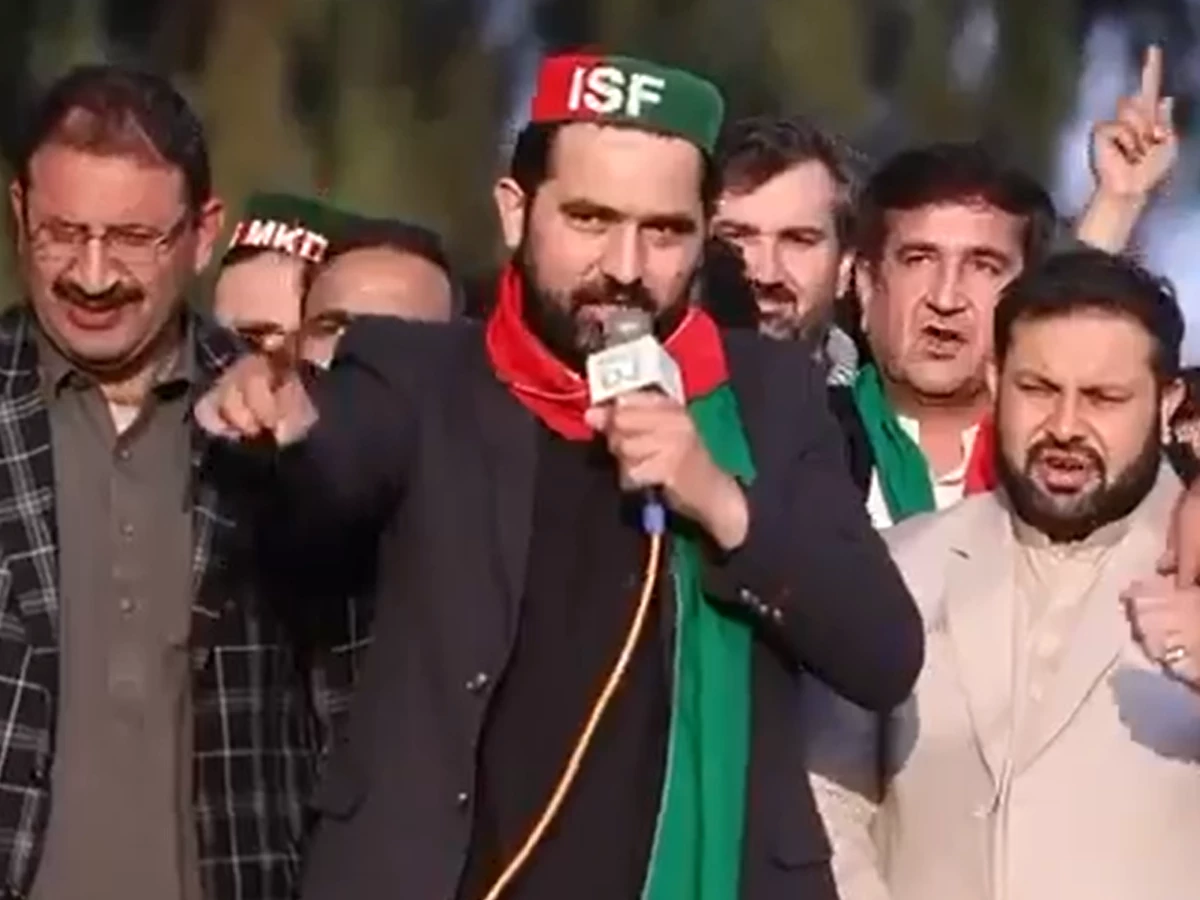
This judicial directive fundamentally alters the daily operational landscape for Pakistani citizens in Khyber Pakhtunkhwa. For students, professionals, and households—particularly in both urban and rural settings—the assurance of uninterrupted power during Sehri and Iftari signifies a calibrated improvement in quality of life. Previously, unpredictable outages led to challenges in meal preparation, studies, and essential household functions during critical hours. Consequently, this order establishes a baseline of reliability. It directly addresses the socio-economic burdens imposed by power instability. Families can now plan their Ramadan activities with greater certainty, enhancing spiritual and communal well-being.
The “Forward Path”: A Momentum Shift Towards Energy Equity
This development represents a Momentum Shift in energy governance within Pakistan. The PHC’s explicit order, mandating no load shedding KP during specific periods, moves beyond mere maintenance. It is a decisive structural intervention affirming provincial rights to indigenous resources and prioritizing citizen welfare. This legal precedent acts as a catalyst for more equitable distribution policies. It further demands greater accountability from power distribution entities. Ultimately, it signifies a progressive step towards optimizing resource allocation and enhancing the operational efficiency of our national power grid, setting a crucial standard for future energy management strategies.








