

Pakistan’s judicial system has introduced a meticulously calibrated schedule for Ramadan Office Hours, ensuring optimized operational efficiency across Federal Constitutional Court offices in Islamabad, Lahore, Karachi, Peshawar, and Quetta. This strategic adjustment, sanctioned by the Chief Justice, recalibrates daily working periods to support the spiritual observances of the holy month while maintaining essential judicial functions, particularly for urgent cases.
Understanding the Calibrated Judicial Schedule
The Federal Constitutional Court has precisely defined the new operating parameters. Previously, standard timings governed all judicial proceedings. Now, a specific notification dictates a structured shift, acknowledging the unique demands of Ramadan. This isn’t merely a reduction; it’s a re-prioritization of operational windows to accommodate fasting and related practices, demonstrating an adaptive institutional framework for national advancement.
Furthermore, the revised schedule will strategically apply to all major court offices. Specifically, locations in Islamabad, Lahore, Karachi, Peshawar, and Quetta are included. This ensures uniform implementation across key provincial and federal judicial hubs.
Operational Parameters for Ramadan

Under these new directives, weekday operations are precisely set from 9:00 am to 2:00 pm, Monday through Thursday. Conversely, Fridays and Saturdays will observe shorter hours, from 9:00 am to 12:30 pm. This calibrated approach reflects a consideration for religious obligations, particularly the Friday congregational prayers.
Concurrently, a critical procedural adjustment has been implemented: no new cases will be accepted during the final hour before daily closure. This ensures dedicated time for processing existing matters and administrative tasks. However, the court has wisely integrated an exception for cases deemed extremely urgent or emergency in nature, which will bypass these standard time restrictions. This structural flexibility maintains access to justice for critical situations.
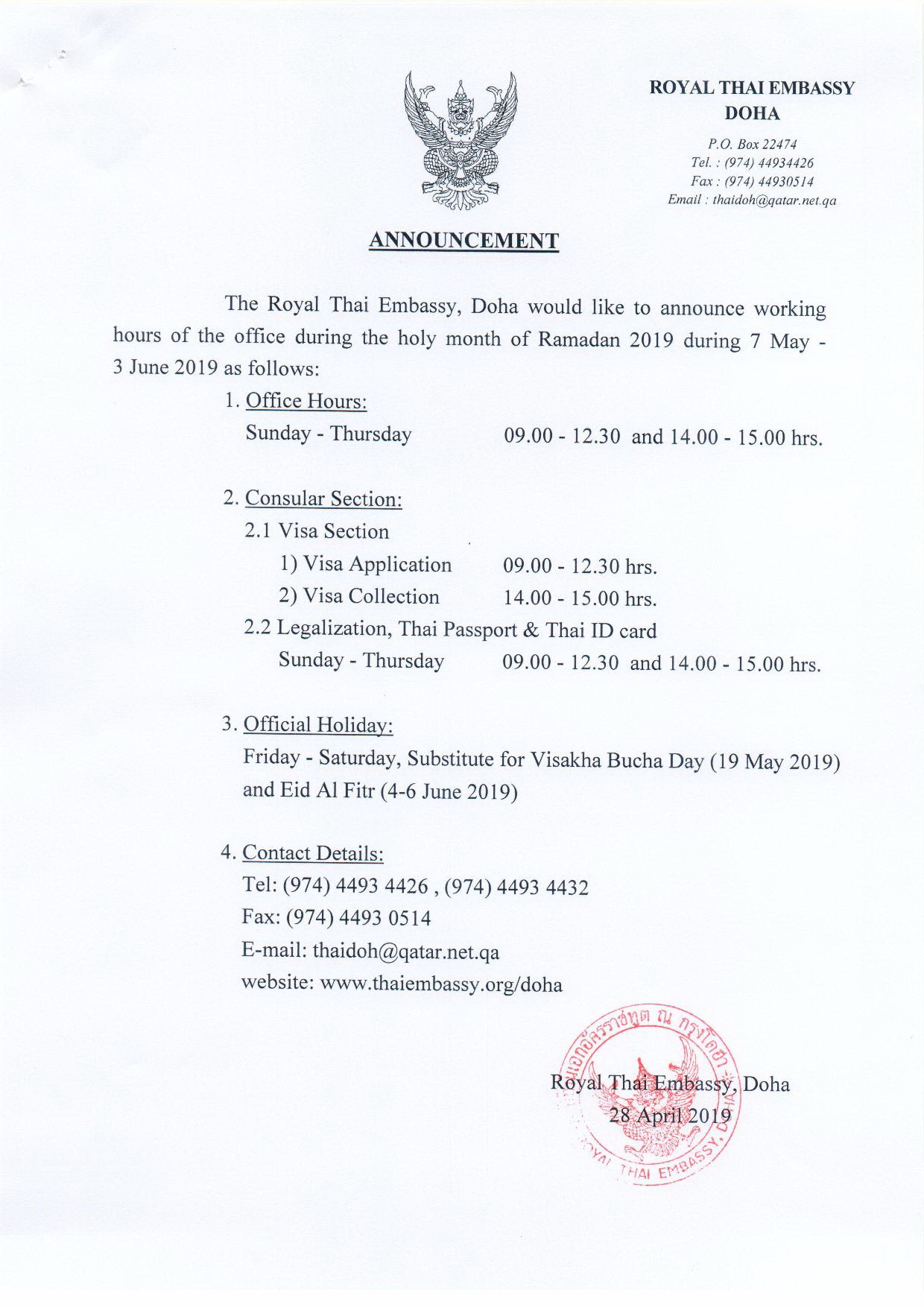
Consequently, these refined timings will remain robustly in effect for the entire duration of Ramadan. This provides a clear, consistent operational framework for the judiciary and citizens alike.
Socio-Economic Impact: How This Changes Daily Life
This refined schedule directly impacts Pakistani citizens. For professionals and court staff, the adjusted Ramadan Office Hours allow for better management of personal and professional responsibilities during fasting, potentially reducing commute times during peak heat and Iftar preparations. Students or families needing legal services will experience predictable, albeit shorter, daily windows. In essence, it streamlines the citizen’s interaction with the judicial system during Ramadan, fostering a more efficient civic experience, particularly in urban centers where judicial traffic is highest.
The Forward Path: A Stabilization Move for Judicial Efficiency
This development represents a ‘Stabilization Move.’ While it doesn’t introduce radical reforms, it is a crucial adaptation that ensures continuity and efficiency within an established system. The structured approach to Ramadan Office Hours reflects institutional responsiveness, maintaining baseline performance standards during a period of national observance. It optimizes current processes without necessitating a fundamental structural overhaul, thereby reinforcing operational resilience.








