
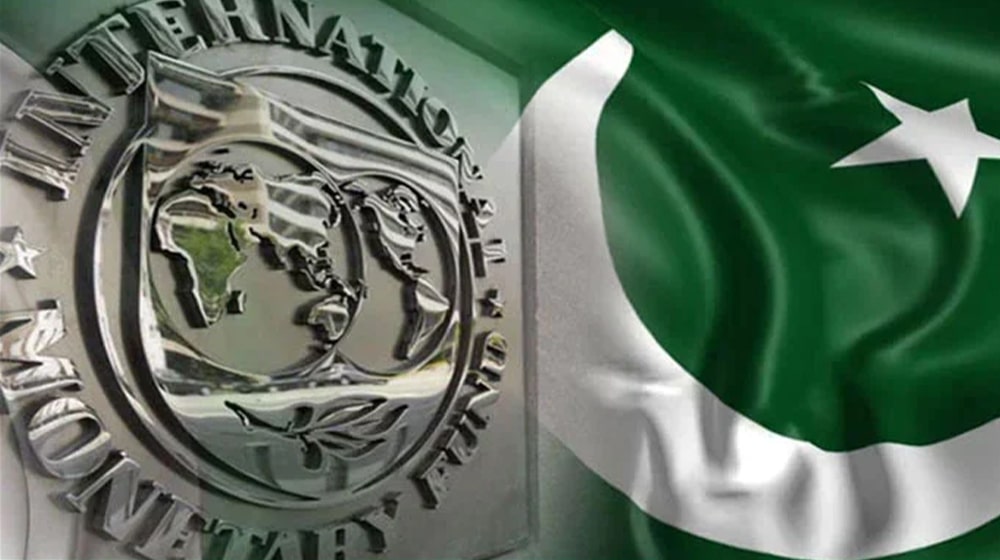
Pakistan faces a pivotal moment in its energy sector, as the International Monetary Fund (IMF) conducts a rigorous review of proposed Pakistan Electricity Tariffs. This strategic assessment is calibrated to ensure that structural reforms advance national economic stability without placing undue financial pressure on middle and lower-income households. This foundational adjustment is critical for managing inflation and resolving the persistent circular debt within the power sector.
The Translation: Deconstructing Energy Policy for National Advancement
The IMF’s engagement extends beyond simple approval; it represents a deep analytical dive into how proposed tariff adjustments align with Pakistan’s existing Extended Fund Facility (EFF) commitments. The EFF is not merely a short-term loan; it is a structural financing mechanism designed to bolster a nation’s foundational economic framework and address chronic balance of payments challenges over an extended period. Consequently, every proposed tariff change, particularly concerning Pakistan Electricity Tariffs, is scrutinized for its systemic impact on macroeconomic stability, with a particular focus on inflation trends, which have historically impacted the consumer price index significantly. This precision in review is vital for sustainable economic trajectories.
Socio-Economic Impact: Recalibrating Daily Life for Pakistani Citizens
For the average Pakistani citizen, adjustments to Pakistan Electricity Tariffs carry substantial weight. These pricing structures directly influence household budgets, affecting everything from daily expenditures to long-term financial planning for urban and rural families. Professionals and students also experience indirect effects through inflationary pressures on goods and services. A strategically managed tariff system can alleviate cost-of-living burdens, ensuring that essential services remain accessible. Conversely, uncalibrated increases could exacerbate economic disparities. The current dialogue aims to protect vulnerable populations while fostering a resilient power sector, thereby impacting the quality of life and economic participation across all strata.
Addressing Systemic Imbalances: The Circular Debt Imperative
The power sector’s enduring struggle with circular debt, characterized by a complex web of unpaid obligations among generation companies, distributors, and governmental entities, remains a critical challenge. This structural issue has historically necessitated repeated adjustments to Pakistan Electricity Tariffs. However, recent efforts have demonstrated measurable progress; the IMF notes that the accumulation of circular debt has remained within program targets. This positive trajectory is directly attributable to enhanced recovery mechanisms and diligent efforts to mitigate system losses. Furthermore, this calibrated approach is a cornerstone of stabilizing Pakistan’s energy infrastructure.
The Forward Path: A Strategic Stabilization Move
This development represents a Stabilization Move rather than an immediate ‘Momentum Shift’. While the diligence in managing circular debt accumulation is commendable and indicative of improved systemic efficiency, the ongoing tariff revisions underscore the persistent structural vulnerabilities within Pakistan’s energy matrix. The IMF’s cautious stance is a strategic directive, compelling authorities to prioritize equitable distribution of economic burdens. For national advancement, sustained fiscal discipline and innovation in energy production are paramount. This rigorous oversight establishes a critical baseline for future, more assertive growth initiatives.








