

Optimizing Patient Care: Punjab Enforces Doctors Mobile Ban
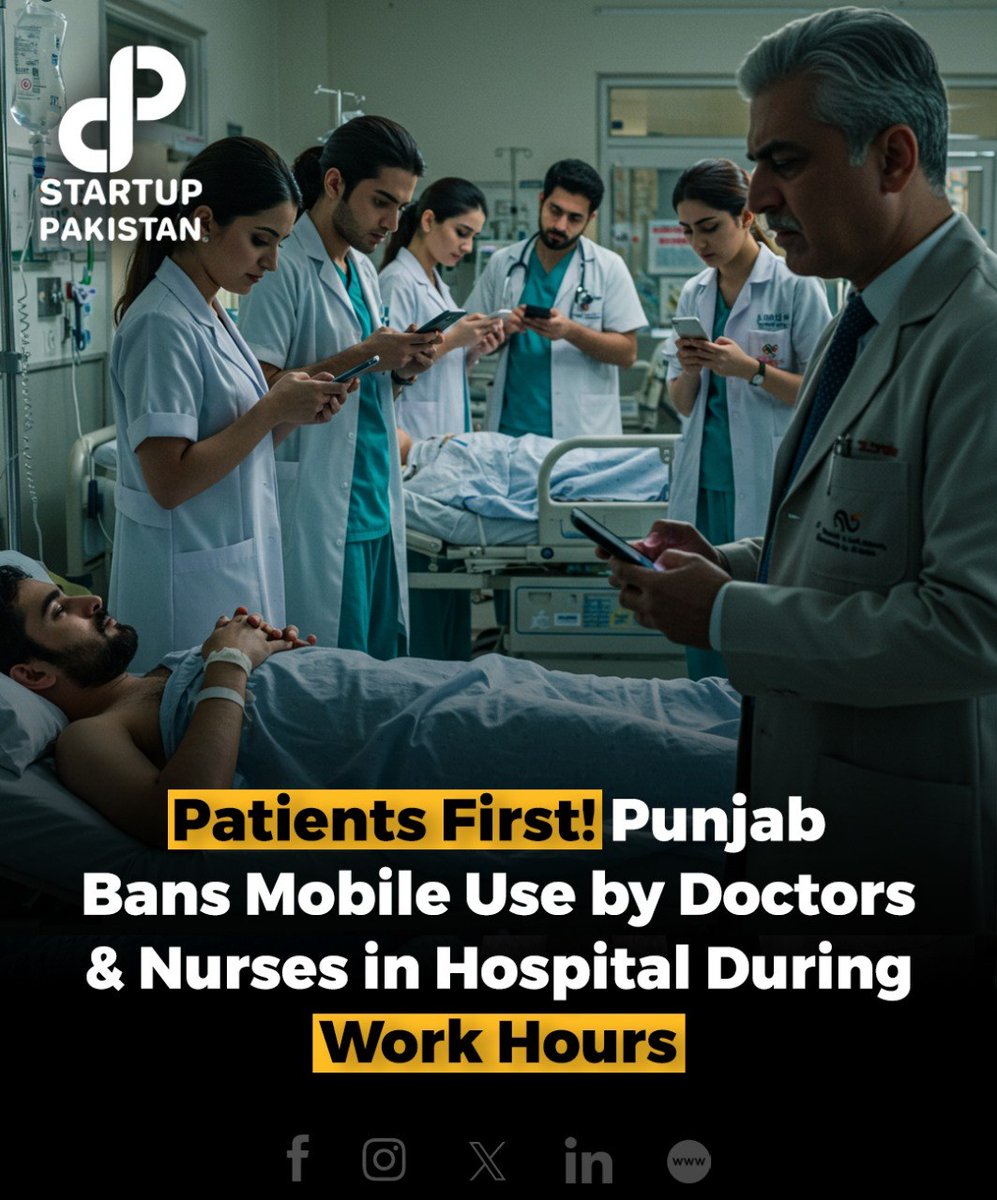
In a structural move to elevate healthcare standards, Punjab Chief Minister Maryam Nawaz has issued a directive strictly prohibiting mobile phone usage by medical professionals during duty hours in government hospitals. This calibrated policy aims to eliminate distractions, directly enhancing patient care and ensuring accountable service delivery. This vital doctors mobile ban is designed to mitigate risks associated with negligence, emphasizing that even minor lapses in the health sector can have fatal consequences for Pakistan’s citizens.
The Translation (Clear Context)
This directive signifies a fundamental recalibration of operational protocols within Punjab’s public health institutions. The Chief Minister’s mandate targets a critical inefficiency: the diversion of medical attention by personal mobile device use. Consequently, this policy translates into a clear expectation for doctors and hospital staff to maintain uninterrupted focus on patient needs. Furthermore, it reinforces the principle that vulnerable patients, often without significant financial resources, depend entirely on timely and responsible medical intervention. The underlying logic is straightforward: uncompromised focus correlates directly with improved patient outcomes and enhanced institutional trust.
The Socio-Economic Impact
This policy directly impacts the daily lives of countless Pakistani citizens, particularly those reliant on public healthcare. For students and professionals, it means a more attentive and dedicated medical staff when they or their families require care. Households, especially in urban and rural Pakistan, can anticipate reduced waiting times and a higher standard of diagnostic and treatment efficiency. The ban structurally addresses a core grievance by ensuring that public funds allocated for medicines are not misused and that accountability permeates all levels of hospital administration. This move is a strategic baseline for broader healthcare reforms, promising a tangible improvement in service accessibility and quality for everyone.
Strategic Oversight and Accountability
Chief Minister Nawaz emphasized the critical need for robust monitoring systems. She instructed hospital administrations to ensure strict supervision of doctors and staff, extending beyond administrative offices to regular ward visits. This operational shift mandates senior officials personally assess service delivery, ensuring that patient care remains uncompromised by distractions or misconduct. The government is committed to taking decisive action against complaints, particularly those involving corruption or negligence, reinforcing a zero-tolerance policy towards the misuse of resources intended for indigent patients.
Broader Healthcare Revisions and Future Investment
Despite significant prior investments in the health sector, incidents of criminal negligence persist. Therefore, this administration underscores the imperative for enhanced discipline across all hospitals. Critical reforms include ensuring a one-patient-per-bed policy and strictly enforcing safety measures, such as fully functional fire safety systems. Moreover, a substantial allocation of Rs. 3 billion has been committed for pediatric cardiac treatment. Concurrently, the recruitment of 1,500 doctors and 5,000 to 6,000 nurses represents a crucial reinforcement of the medical workforce, urging all professionals to prioritize life-saving missions over personal distractions.
The “Forward Path” (Opinion)
This development undeniably represents a Momentum Shift. The direct intervention to ban mobile phones during duty hours, coupled with enhanced accountability and strategic investments, signifies more than mere maintenance; it’s a structural realignment. By addressing a core behavioral issue and simultaneously bolstering infrastructure and personnel, Punjab is laying a robust foundation for systemic improvements. This integrated approach is a catalyst for elevating public healthcare standards and fostering greater trust in governmental services. It is a decisive stride towards a more efficient and patient-centric healthcare ecosystem in Pakistan.








