

National advancement necessitates a resilient public safety infrastructure. Consequently, Islamabad Police have strategically enacted new, stringent Mosque Security Measures, directly responding to requests from federal capital mosque administrations for enhanced protection. These comprehensive directives aim to fortify sacred spaces, streamline crowd management, and proactively address potential threats, ensuring a calibrated approach to public safety during prayer times. The implementation involves armed guards, controlled access points, and a critical prohibition of vendors and beggars near mosque premises, marking a structural shift in urban security protocols.
Deconstructing Islamabad’s New Mosque Security Measures
The Islamabad Police’s formal response outlines a multi-faceted security framework. Firstly, a pivotal directive mandates the deployment of at least one armed security guard at each mosque during prayer times. This measure grants authorized personnel the capacity to carry a weapon within the mosque premises, establishing an immediate deterrence mechanism. Furthermore, precise regulations prohibit vehicle parking at mosque entry, exit points, and surrounding areas. This structural adjustment aims to eliminate potential security vulnerabilities and enhance emergency response accessibility. Consequently, mosques and imambargahs are now required to maintain a single, controlled entry and exit route for all worshippers, optimizing flow and oversight.
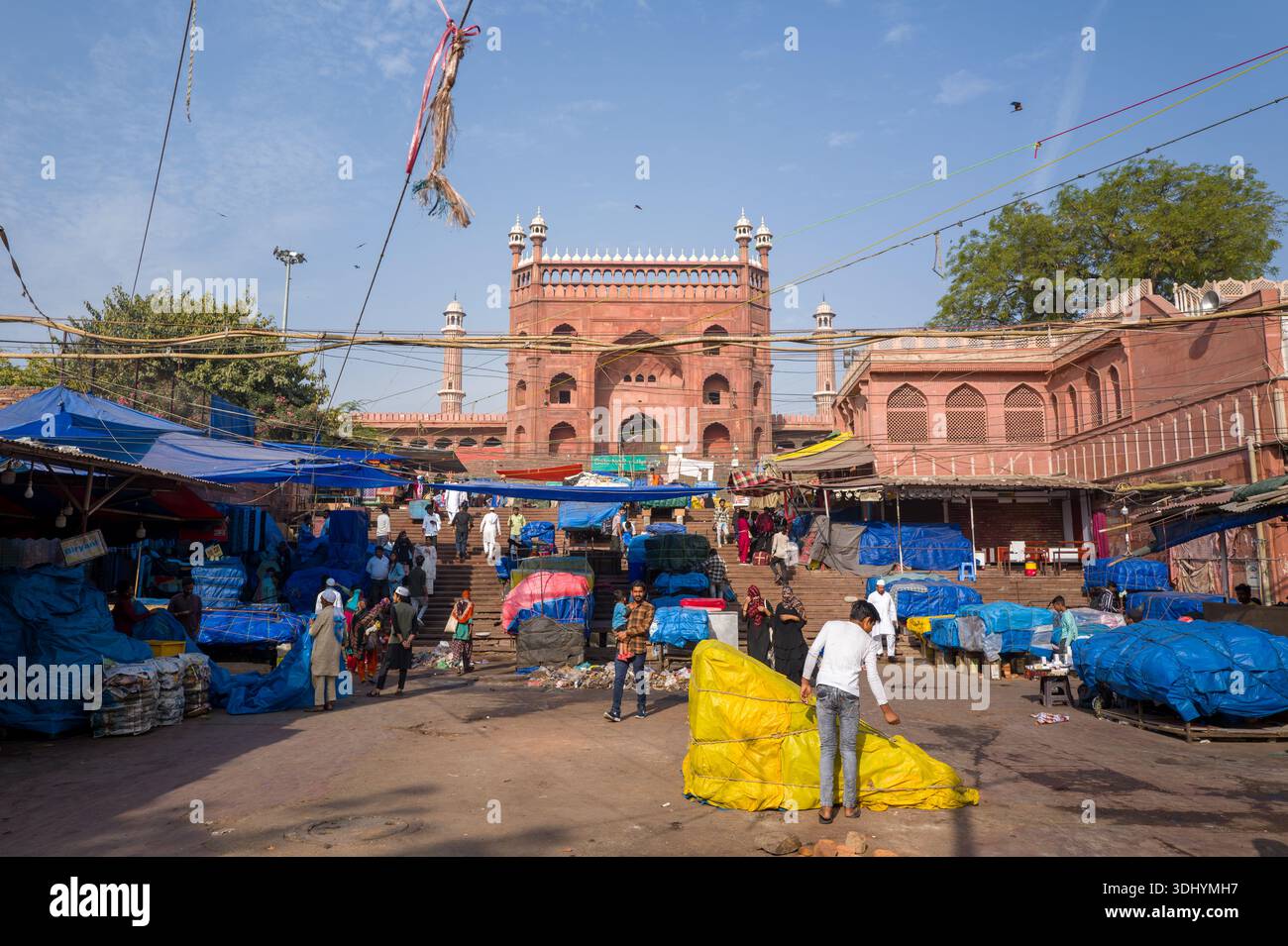
A significant component of these Mosque Security Measures involves stringent restrictions on commercial and solicitous activities. Specifically, street vendors, beggars, and the sale of items such as caps outside main mosque gates are now prohibited. This strategic move aims to reduce congestion, minimize opportunistic crime, and maintain the sanctity of religious sites. Additionally, mosque administrations bear the critical responsibility of immediately reporting any suspicious individuals, activities, or unattended items within their premises to law enforcement. The directive emphasizes prompt implementation, stating unequivocally that non-compliance will result in legal action, underscoring the seriousness of these enhanced security mandates.
The Socio-Economic Impact: Securing Community & Commerce
These directives profoundly impact the daily lives of Pakistani citizens, particularly those residing in urban centers like Islamabad. For students and professionals, attending prayers now involves a more secure, yet potentially more structured, environment. The presence of armed guards may offer psychological reassurance against threats, though it also signals an increased security presence in public spaces. The ban on street vendors, while enhancing security and reducing clutter, directly affects the livelihoods of individuals who depend on these locations for commerce. This policy necessitates a strategic re-evaluation of urban vending zones to support informal economies without compromising security objectives. Moreover, controlled entry and exit points streamline movement, improving efficiency and order for worshippers, which is a tangible benefit for regular mosque-goers.
Furthermore, the mandate for mosque administrations to actively report suspicious activities fosters a sense of collective responsibility for public safety. This structural integration of community vigilance with law enforcement operations can potentially lead to a more secure urban fabric, directly supported by these Mosque Security Measures. However, balancing security needs with maintaining accessible public spaces for all segments of society, including those relying on informal commerce, presents a calibrated challenge for city planners. The focus on public order enforcement ensures a safer environment for families and individuals, but also raises questions about the social support systems available for those displaced by the vendor ban, highlighting the need for comprehensive urban planning.
The Forward Path: A Stabilization Move for Urban Order
This development represents a Stabilization Move for urban order in Islamabad. While it introduces significant operational changes, the primary objective is to solidify existing security vulnerabilities rather than initiate a new trajectory of growth or innovation. The directives are a precise, calibrated response to identified security gaps and community requests, aiming to create a more controlled and secure environment within and around places of worship. This systematic approach establishes a baseline for safety, which is essential for any future societal advancement. Therefore, it is a necessary consolidation of public safety mechanisms, providing a stable foundation from which future growth can strategically emerge, rather than a direct momentum shift towards new development paradigms.








