

Pakistan’s environmental structural integrity receives a calibrated reinforcement. The Lahore High Court (LHC) has issued a decisive LHC Tree Cutting Order, mandating that individuals accused of illegal tree cutting face non-bailable legal action. This strategic directive, emerging from critical hearings on smog and environmental degradation, establishes a new baseline for ecological preservation, emphasizing robust enforcement to safeguard national green assets for future generations.
The Judicial Mandate for Environmental Preservation
Precision in Environmental Law Enforcement
Justice Shahid Karim of the Lahore High Court recently emphasized a critical shift in environmental enforcement. He declared that individuals accused of illegal tree cutting must not be granted bail. This ruling directly addresses ongoing cases linked to escalating smog levels and broader environmental pollution concerns. The court’s stance underscores a rigorous approach to deterring ecological damage. Furthermore, it seeks to establish a clear precedent against environmental infringements, enhancing legal accountability.

The Translation (Clear Context): Non-Bailable Action Defined
A “non-bailable action” signifies that an accused person cannot be released on bail as a matter of right. Instead, release is at the court’s discretion, typically granted only in exceptional circumstances. Historically, minor penalties and easy bail for tree cutting have emboldened offenders. Consequently, this judicial directive fundamentally alters the risk calculus for environmental violators, making the consequences significantly more severe and immediate. This structural change aims to eliminate past loopholes.
The Socio-Economic Impact: Safeguarding Public Health and Future Assets
This strategic judicial intervention directly impacts the daily lives of Pakistani citizens. Reduced tree cover exacerbates smog, leading to respiratory illnesses and decreased quality of life, particularly in urban centers like Lahore. By ensuring stricter penalties, the LHC Tree Cutting Order works towards improved air quality, healthier communities, and the preservation of natural aesthetics. For students, professionals, and families, this translates into a tangible improvement in public health infrastructure and a greener urban landscape.
The “Forward Path”: A Momentum Shift in Environmental Governance
This development represents a Momentum Shift. The move from lenient penalties to non-bailable offenses signifies a decisive legal strengthening for environmental protection. It serves as a powerful catalyst for systemic change, compelling greater adherence to ecological preservation policies across the province. This baseline adjustment is crucial for Pakistan’s long-term environmental sustainability goals.
Policy Directives and Institutional Accountability
Shaping a Robust Tree Protection Framework
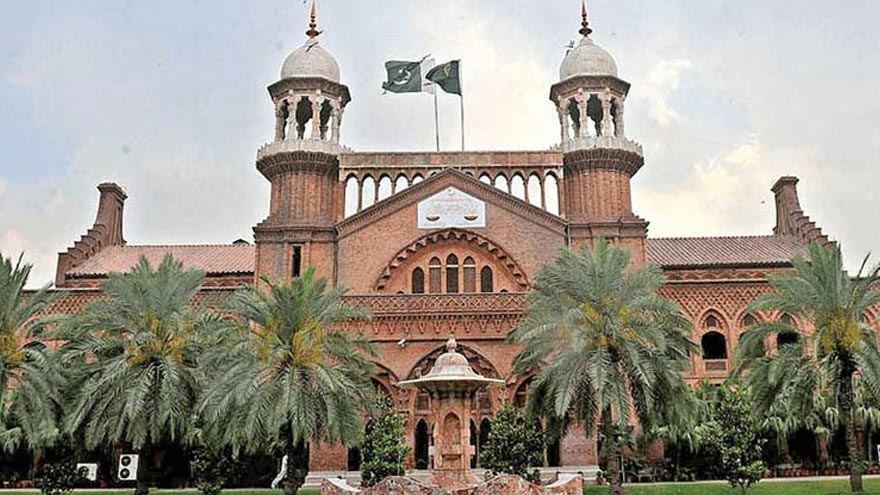
The court has issued directives for the swift submission of a comprehensive tree protection policy report. This critical document will guide future environmental strategies. Concurrently, the Advocate General of Punjab has been ordered to appear in person, underscoring the legal gravity of the proceedings. This ensures high-level governmental engagement in crafting effective environmental safeguards. The Judicial Water Commission, through Syed Kamal Haider, confirmed its integral role, stating consultations will precede any tree-cutting decisions, thus embedding expert oversight.
The Translation (Clear Context): Integrated Policy Development
A “comprehensive tree protection policy report” means a meticulously researched and actionable plan for managing and preserving green spaces. This plan will likely encompass guidelines for urban forestry, compensatory planting, and enforcement mechanisms. The Advocate General’s personal appearance elevates the issue to a provincial priority, demanding focused legal and administrative solutions. This coordinated effort aims to create an impenetrable defense for Pakistan’s arboreal assets.
The Socio-Economic Impact: Structured Green Urban Development
For citizens, this means a more strategically planned and protected urban environment. The new policy will likely lead to fewer arbitrary tree removals and more systematic green infrastructure development. This fosters a healthier urban ecosystem, reducing the heat island effect and improving overall air quality. Professionals in urban planning and environmental science will find clearer guidelines and enhanced support for sustainable development initiatives. Ultimately, this promotes a more livable Pakistan.
The “Forward Path”: A Stabilization Move towards Systemic Efficiency
This represents a Stabilization Move. While the direct impact of the policy is yet to be fully realized, the court’s insistence on a robust policy framework and high-level accountability indicates a commitment to institutionalizing environmental protection. It signifies a structural adjustment designed to improve the operational efficiency of governmental bodies in safeguarding natural resources. This move aims to prevent future environmental degradation through proactive measures.
Institutional Responses and Reforestation Initiatives
Punjab University’s Proactive Reforestation Strategy
Punjab University has demonstrated a decisive response to environmental stewardship. The institution reported forming a dedicated committee to address accountability for the unauthorized cutting of 60 large trees at the Sheikh Zayed Centre. Furthermore, the university disclosed planting 500 trees already, with ambitious plans to plant an additional 100,000. Significantly, the court also instructed the university to establish a Miyawaki-style forest on campus. This rapid reforestation technique accelerates ecological restoration.
The Translation (Clear Context): Miyawaki Forests for Accelerated Greening
A “Miyawaki-style forest” is a unique method of afforestation that involves planting native species close together in a small area. This technique promotes faster growth and denser forests, significantly increasing biodiversity and carbon sequestration capacity in a short period. The university’s adoption of this method demonstrates a commitment to rapid, impactful ecological restoration. Such strategic planting offers a high-yield approach to re-establishing green cover.
The Socio-Economic Impact: Educational and Environmental Synergy
For the academic community and surrounding areas, Punjab University’s efforts create an invaluable living laboratory. Students gain direct exposure to advanced ecological restoration techniques and the importance of environmental responsibility. Beyond the campus, these initiatives contribute to localized climate resilience, improved air quality, and enhanced aesthetic value. This synergizes education with practical environmental action, benefiting both current and future generations of Pakistanis.
The “Forward Path”: A Momentum Shift through Innovation and Action
This constitutes a Momentum Shift. Punjab University’s actions, particularly the commitment to a Miyawaki forest, exemplify an innovative and proactive approach to environmental challenges. This initiative moves beyond mere compliance, positioning the institution as a catalyst for practical, scalable ecological solutions. It sets a robust example for other educational and public bodies across Pakistan.
Addressing Enforcement Loopholes and Legislative Amendments
Structural Reforms for Environmental Justice
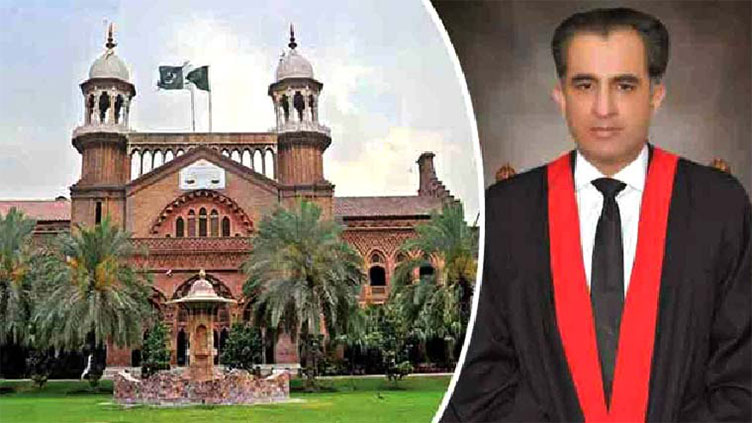
The Parks and Horticulture Authority (PHA) counsel candidly acknowledged significant enforcement weaknesses. They admitted that current penalties for tree cutting are minimal, and accused individuals are frequently released on bail. The court remarked that such lenient bail practices inherently encourage the continuation of illegal activities. Consequently, Justice Karim issued a direct instruction to the Advocate General to amend existing legislation, specifically to include non-bailable provisions for these environmental offenses. This aims to fortify the legal framework.
The Translation (Clear Context): Legislative Recalibration for Deterrence
The proposed legislative amendment will legally codify the non-bailable status for illegal tree cutting, transforming a judicial emphasis into a statutory requirement. This recalibration of law enforcement mechanisms is designed to create a stronger deterrent effect, ensuring that the legal consequences for environmental destruction are consistently severe. It represents a precise adjustment to address a critical flaw in past legal frameworks. Furthermore, this ensures the longevity of the LHC Tree Cutting Order.
The Socio-Economic Impact: Fairer Justice and Environmental Accountability
This legislative reform ensures that environmental crimes are treated with the gravity they deserve, providing a more equitable justice system. It will deter opportunistic tree felling that often benefits a few at the expense of public environmental health. For local communities, it means a clearer pathway to reporting environmental violations with the assurance of meaningful legal recourse. This structural change protects the public’s right to a healthy environment.
The “Forward Path”: A Stabilization Move for Legal System Cohesion
This development signifies a Stabilization Move. The focus here is on rectifying structural weaknesses within the legal system itself to ensure greater consistency and effectiveness in environmental protection. By closing bail loopholes, the legal framework becomes more cohesive and less susceptible to exploitation. This foundational work is essential for building a resilient environmental justice system.
The Overarching Vision for a Greener Pakistan
A Generational Commitment to Ecological Health
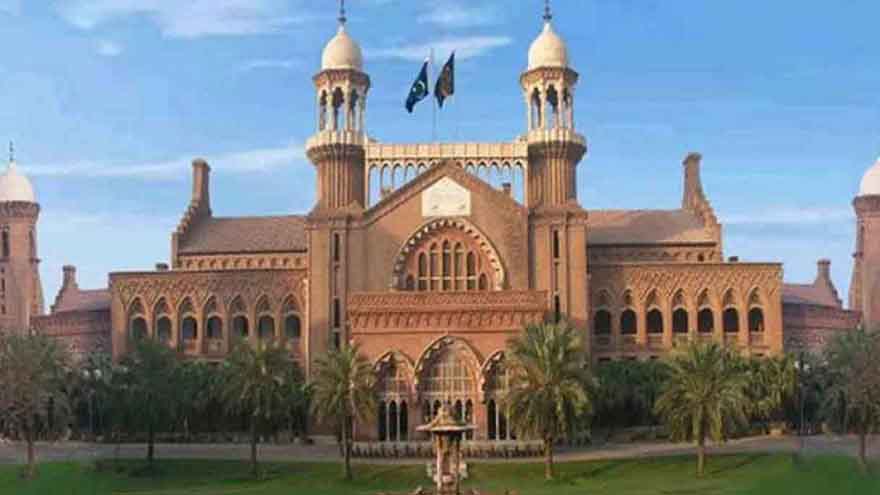
Justice Karim precisely clarified the broader objective behind these stringent measures. He emphasized that the court’s actions are not targeted at any specific institution. Instead, the primary aim is to safeguard Pakistan’s invaluable tree cover for the benefit of future generations. This declaration articulates a long-term vision for ecological health and national advancement. The next hearing, scheduled for February 16, will review a critical compliance report, ensuring continuous oversight of these pivotal environmental directives.
The Translation (Clear Context): A National Imperative for Sustainability
The court’s clear articulation defines tree protection as a national imperative rather than a localized or departmental issue. It frames environmental stewardship as a core component of intergenerational equity, emphasizing that today’s actions directly impact the environmental legacy inherited by future Pakistanis. This strategic framing elevates the discussion beyond mere legal technicalities to a foundational principle of national development. Consequently, it creates a unified vision.
The Socio-Economic Impact: Investing in Collective Prosperity
This vision directly impacts collective prosperity. A greener, healthier Pakistan translates into enhanced agricultural productivity, improved climate resilience, and burgeoning eco-tourism opportunities. For every Pakistani, it signifies an investment in a sustainable future, where natural resources are preserved and managed wisely. This fosters a sense of collective responsibility and pride in the nation’s ecological heritage.
The “Forward Path”: A Momentum Shift Towards Enduring Environmental Stewardship
This represents a Momentum Shift. The explicit commitment to future generations elevates environmental policy from reactive measures to proactive, visionary stewardship. It sets a foundational principle that will guide subsequent legal and policy development, ensuring that ecological considerations are structurally embedded in Pakistan’s growth trajectory. This perspective is a powerful catalyst for sustained national advancement.








