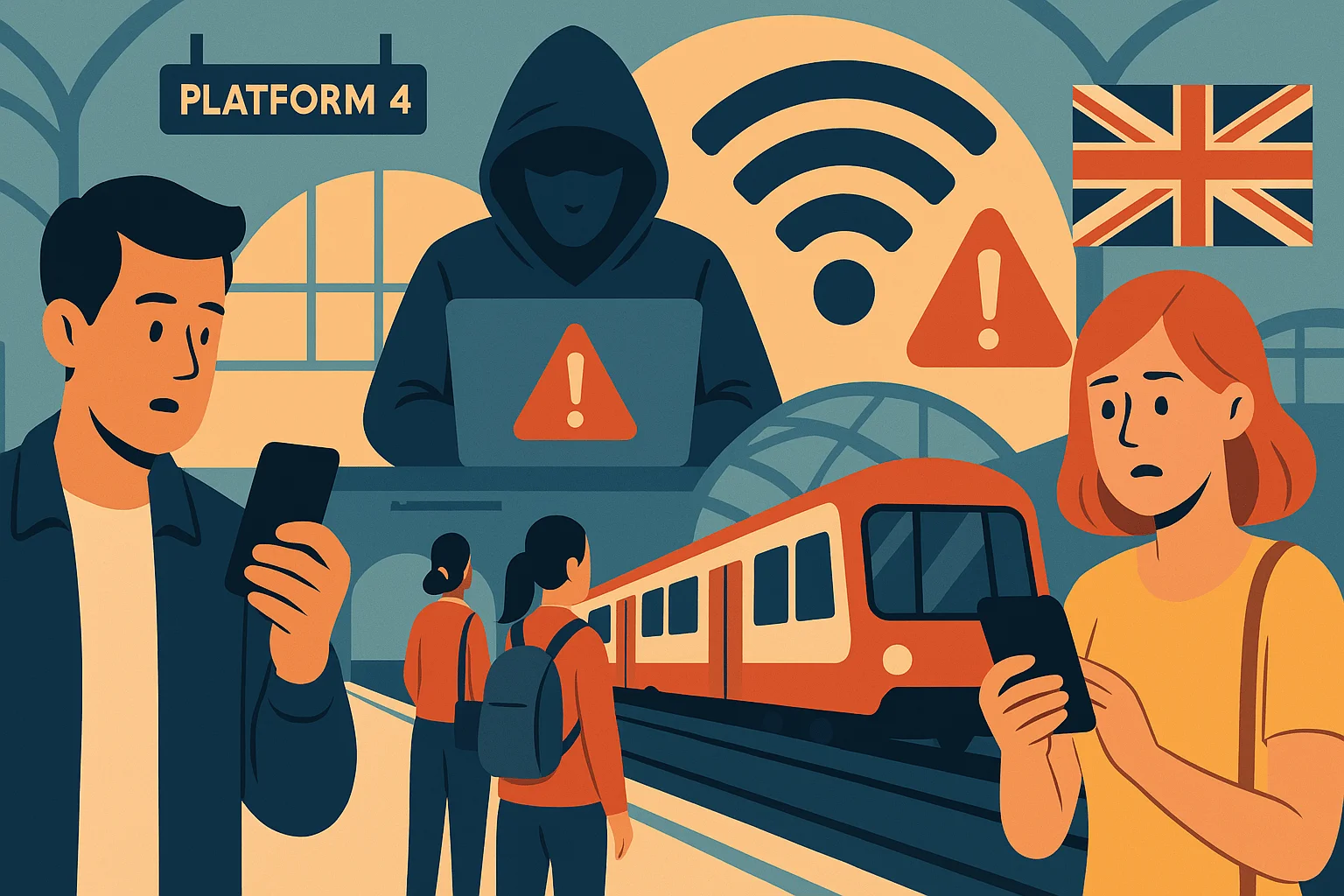
The operational efficiency of Pakistan’s digital infrastructure faces scrutiny following the reported Lahore Wi-Fi Suspension at a major railway station. This critical interruption, attributed to unresolved payment disputes with the internet service provider, has directly impacted thousands of daily commuters. Furthermore, the persistent display of non-functional QR codes exacerbates passenger frustration, creating a tangible disconnect between advertised services and actual availability. This incident underscores a systemic challenge in maintaining public digital utilities, demanding immediate and strategic resolution to uphold national connectivity standards.
The Translation: Deconstructing the Connectivity Disruption
The core issue revolves around a reported contractual breach: railway officials allegedly failed to remit payments to the private company managing the station’s free Wi-Fi. Consequently, the service provider initiated a calibrated withdrawal of its equipment, rendering the previously accessible network inactive. This precise action directly halted a public utility designed to enhance traveler experience at key transit points, including Lahore and Karachi. The project, initially launched under Federal Minister Hanif Abbasi’s directive, aimed to provide essential internet access, especially vital during unforeseen train delays. Thus, the current situation represents a significant operational failure, impacting the baseline digital provision for commuters.

The Socio-Economic Impact: Daily Life and Digital Gaps
How does the Lahore Wi-Fi Suspension alter the daily life of a Pakistani citizen? For students, professionals, and families traversing urban and rural corridors, this suspension translates into immediate inconvenience. Access to free internet at a major transport hub is not merely a luxury; it is a structural component of modern transit, enabling communication, access to real-time updates, and productivity. Professionals miss critical emails, students cannot access study materials during commutes, and families struggle to coordinate. Moreover, in a nation where digital inclusion is a strategic imperative, such disruptions amplify the digital divide, particularly for those relying on public access points. This affects their capacity to engage with online services and maintain personal connections, especially during travel-induced delays.

The impact extends beyond mere connectivity. The presence of obsolete QR codes, still advertising a non-existent service, creates significant confusion. This lack of calibrated communication undermines public trust in official provisions. Passengers, frequently contending with train delays, find their inconvenience compounded by the absence of a promised digital lifeline. Consequently, this operational oversight hinders seamless travel and robust digital engagement within crucial public spaces, requiring immediate attention to re-align service perception with reality.

The “Forward Path”: Momentum Shift or Stabilization Move?
This development signifies a Stabilization Move, not a momentum shift. The suspension is a clear indicator of systemic vulnerabilities in public-private partnerships and maintenance protocols for digital infrastructure. While the initial intent to provide free Wi-Fi was progressive, the current outcome forces a re-evaluation of the foundational processes governing these initiatives. A true momentum shift would involve proactive measures: transparent payment schedules, robust contractual oversight, and contingency plans for service continuity. Therefore, authorities must prioritize either the immediate restoration of dependable service or the prompt removal of misleading promotional signage. This precise action is crucial to re-establish trust and ensure a baseline of operational integrity within the railway system’s digital offerings.
Strategic Recommendations for Future Digital Initiatives
To prevent recurrence and foster a more robust digital ecosystem within Pakistan’s railway network, several structural adjustments are imperative:
- Implement Clear Payment Frameworks: Establish transparent and timely payment mechanisms to prevent future service disruptions and ensure financial stability for providers.
- Enhance Contractual Oversight: Develop robust contracts with service providers that include comprehensive performance clauses, service level agreements, and precise dispute resolution protocols.
- Improve Public Communication: Ensure real-time updates regarding service availability through digital channels and promptly remove all outdated promotional materials from physical locations.
- Explore Redundant Systems: Investigate options for backup internet solutions and alternative providers to maintain connectivity during primary system failures.
- Calibrate User Feedback Loops: Establish effective channels for passenger feedback to continually assess service quality and identify areas for improvement.