
Optimizing National Observance: Strategic Lunar Sighting for Ramadan
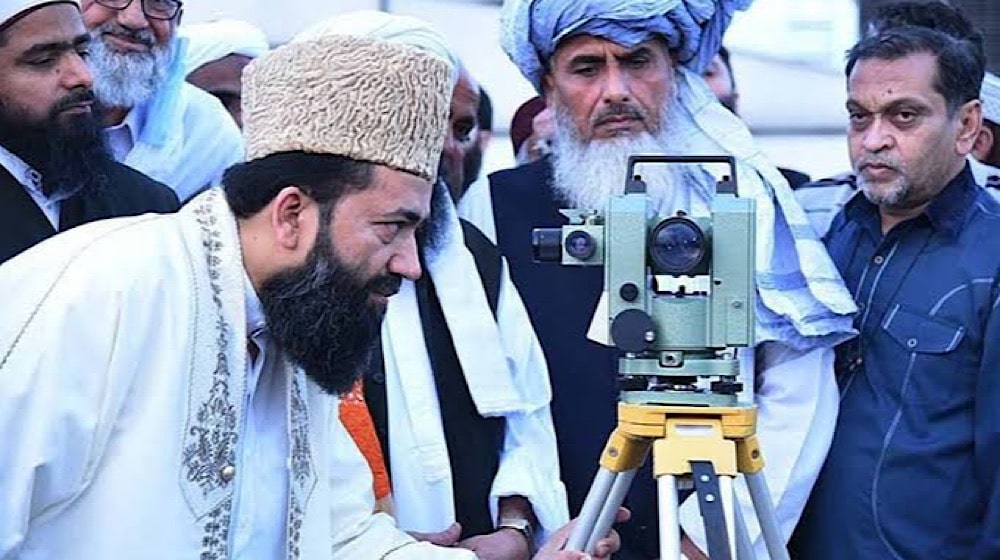
The precise scheduling of national observances is a foundational element in fostering societal cohesion and strategic alignment. Pakistan’s Central Ruet-e-Hilal Committee has strategically announced the critical meeting date for the Ramadan moon sighting, an event pivotal for the synchronized commencement of the holy month. This calibrated decision schedules the session for February 18 in Peshawar, underscoring a national effort to ensure a unified start to Ramadan 1447 AH. Chaired by Maulana Syed Abdul Khabir Azad, the committee will integrate empirical data from scientific bodies with verified citizen testimonies. This methodical approach aims to finalize the crescent observation, eliminate discrepancies, and promote national religious harmony.
The Translation: Structural Clarity in Lunar Determination
The Ruet-e-Hilal Committee operates as Pakistan’s primary astronomical-theological authority. Its mandate involves the precise determination of Islamic lunar month beginnings, crucial for events like Ramadan. Furthermore, this committee systematically convenes to analyze both direct crescent moon observations and advanced meteorological data. Specifically, the upcoming session will critically assess national reports and scientific forecasts from SUPARCO, the Pakistan Meteorological Department, and the Ministry of Science and Technology. Consequently, this multi-stakeholder collaboration ensures a robust, data-driven decision, transcending anecdotal evidence.
Socio-Economic Impact: Unifying Daily Life with Precise Ramadan Sighting
A unified Ramadan moon sighting significantly impacts the daily life of every Pakistani citizen. For students, a clear start date allows for precise academic planning around fasting schedules. Professionals can calibrate their work-life balance, while households across urban and rural Pakistan can prepare for collective worship, iftar, and sehri traditions without ambiguity. This structural clarity minimizes potential socio-economic disruptions, such as varying market timings or inconsistent public holiday declarations. Moreover, it strengthens communal bonds, fostering a sense of shared national identity and purpose during a deeply spiritual period.
The Forward Path: A Momentum Shift Towards Integrated Observance
This proactive announcement and integrated methodological approach represent a Momentum Shift for national religious observances. The inclusion of scientific bodies alongside traditional observers signifies a progressive calibration of national systems. This structural integration enhances the credibility and precision of the decision-making process. Consequently, it bolsters public trust and solidifies the foundation for future national unifications on critical calendar events, moving beyond historical ambiguities.
Empowering Observation: A Call for Citizen Participation
Chairman Maulana Abdul Khabir Azad has issued a strategic appeal, urging citizens to actively engage in the evening observation of the crescent moon on the designated meeting date. Subsequently, he emphasized the critical role of public participation in verifying sightings, which provides an additional layer of empirical data for the committee’s final deliberation. Furthermore, this initiative not only empowers citizens but also reinforces the collaborative spirit underpinning national religious synchronization.








