
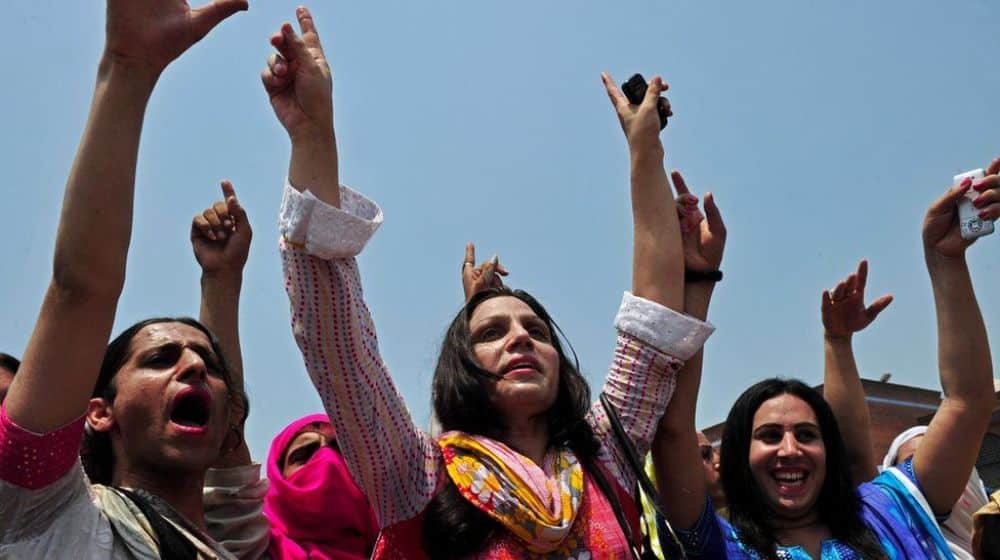
A significant structural policy shift is underway in Khyber Pakhtunkhwa (KP). The provincial government has calibrated a comprehensive new policy specifically designed for Transgender Empowerment Policy. This initiative strategically aims to shield transgender individuals from prevalent harassment, violence, and systemic discrimination. Consequently, it proactively promotes their social integration and economic rehabilitation within the province.
The Translation: Deconstructing KP’s Transgender Empowerment Policy
This landmark policy represents a crucial legislative advancement. It moves beyond aspirational statements, establishing tangible mechanisms to integrate transgender individuals fully into society. Furthermore, it explicitly addresses historical marginalization by creating dedicated support systems.
A Structural Framework for Inclusion
The core of this policy is its structural approach. Specifically, it mandates the creation of robust support infrastructure. This includes:
- Rehabilitation centers
- Safe homes
- Community shelters
Moreover, a formal Transgender Persons Welfare Registry and a comprehensive database are now mandatory. This precision-driven system ensures effective, data-backed support reaches eligible individuals directly.
Economic Rehabilitation: A Baseline Investment
For the first time, KP will establish a special endowment fund. This calibrated financial mechanism is designed to significantly improve the economic conditions of transgender individuals. Ultimately, the fund provides long-term financial support, thereby strengthening economic opportunities and fostering self-sufficiency within the community.

Socio-Economic Impact: Catalyzing Daily Life
This policy fundamentally alters the daily life trajectory for transgender citizens across urban and rural Pakistan. It introduces a baseline of security and opportunity where none consistently existed before. Consequently, the focus shifts from mere survival to active participation and national contribution.
Direct Benefits for Pakistani Citizens
Under this new policy, transgender individuals gain mandatory inclusion in vital provincial and national social protection programs. These encompass a range of essential services:
- Grants
- Health insurance schemes
- Skill development programs
- Emergency response initiatives
The Department of Social Welfare now serves as the focal department, structurally overseeing their comprehensive inclusion across all government services. This ensures equitable access to resources, a critical step for Transgender Empowerment Policy.

Enhancing Public Service Accessibility
Furthermore, the policy mandates calibrated inter-departmental cooperation. It explicitly recommends integrating transgender individuals into existing case management systems, protective shelters, and family mediation mechanisms. Importantly, police training courses will now include transgender rights awareness. Transgender coordination desks will be established at police stations, enhancing access to essential services and protection. Similarly, the Transport Department will introduce verified training programs for drivers and conductors, promoting sensitivity and awareness across public transport sectors.
The Forward Path: A Momentum Shift for National Advancement
This policy represents a definitive momentum shift rather than a mere stabilization move. The KP government has enacted a strategic, multi-faceted framework that addresses systemic barriers. By investing in the social and economic rehabilitation of the transgender community, Pakistan moves closer to its vision of an inclusive, high-performing society. This initiative is a catalyst for broader national advancement, demonstrating a disciplined commitment to human rights and societal efficiency.








