

A significant structural adjustment in education financing is underway in Punjab, impacting Intermediate annual exams scheduled for May 2026. All provincial education boards have precisely elevated the fee for installing CCTV cameras at examination centers, escalating the charge from Rs.30 to Rs.1,030. This substantial Punjab exam fee increase, integrated directly into the examination entry fee, has triggered widespread concern among students and parents, emphasizing the need for transparent financial mechanisms within our educational infrastructure.
The Translation: Deconstructing the Revised Examination Fee Structure
Previously, for Matric annual examinations, students contributed a nominal Rs.30 for CCTV installation. This new policy represents a monumental shift, with the per-student charge for Intermediate candidates now standing at Rs.1,030. Consequently, this tenfold amplification of costs has generated considerable criticism across the province. Parents advocate for the principle that educational institutions and examination authorities should bear the operational costs of surveillance infrastructure, rather than placing this financial burden on students directly.

The core contention revolves around the justification of collecting millions of rupees from students for this specific purpose. Stakeholders argue that such a collection method lacks equitable distribution of responsibility. Furthermore, this policy challenges the established baseline for educational accessibility, potentially creating unintended barriers for a segment of the student population due to the increased Punjab exam fee increase. This strategic allocation of costs warrants immediate re-evaluation.
The Socio-Economic Impact: Daily Life and Future Trajectories
This calibrated financial decision directly impacts the daily lives of Pakistani citizens, particularly students and their families across urban and rural landscapes. For many households, an additional Rs.1,000 for a single examination fee represents a significant expenditure, especially when considering multiple children or other academic costs. This could disproportionately affect lower-income families, potentially compelling students to make difficult choices regarding their educational pursuits.
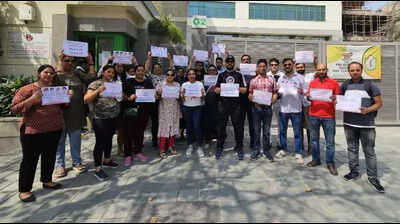
Consequently, the fee increase risks exacerbating educational disparities. Professionals and parents are now faced with an unexpected rise in expenses, diverting funds that might otherwise be allocated to textbooks, tuition, or daily necessities. This structural adjustment could thus serve as a deterrent, impeding the seamless academic progression of our youth and inadvertently influencing future national human capital development.
The “Forward Path”: Momentum Shift or Stabilization Move?
This development represents a Stabilization Move rather than a direct Momentum Shift. While enhancing examination integrity through advanced surveillance is a critical objective, the funding mechanism employed here reflects an attempt to stabilize operational budgets through direct student contributions. This approach, however, lacks the innovative financing models required for genuine systemic advancement.
A true Momentum Shift would involve strategic governmental or institutional investment in essential infrastructure, ensuring that technological upgrades do not inadvertently become a barrier to education. Moving forward, a more equitable and sustainable funding framework must be calibrated to support both operational excellence and educational accessibility, ensuring that financial policy aligns with national advancement objectives.








