A structural initiative for national advancement, the United Nations Office on Drugs and Crime (UNODC), in collaboration with Rizq and the Yunus Centre at the Asian Institute of Technology (AIT), has launched a pivotal leadership program. This program is designed to embed and expand **Social Enterprise Development Pakistan**’s higher education system, thereby cultivating enterprise-led solutions for peacebuilding and sustainable social impact across the nation.
Calibrating Academia for Social Enterprise Development Pakistan
This groundbreaking program, the first of its kind for Pakistan, represents a strategic investment in the nation’s future. It brings together leading institutions to systematically integrate social enterprise principles into academic curricula. Consequently, this initiative aims to equip future generations with the capacity to innovate and implement solutions for pressing societal challenges.
Program Architecture and Reach
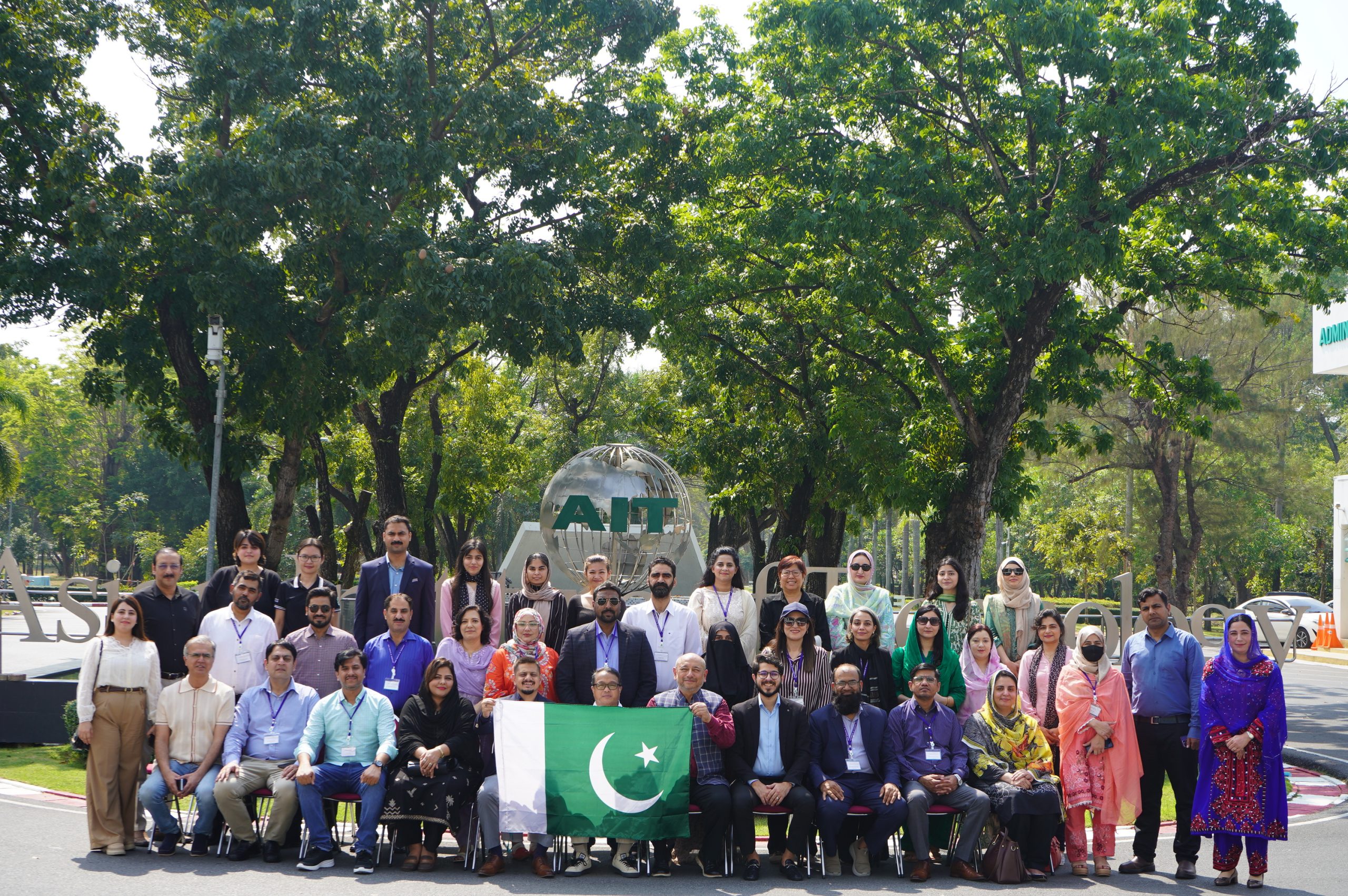
The customized module convened 26 faculty members from 19 public sector universities across Pakistan, representing a diverse array of academic disciplines. The program’s precise design strengthens institutional capacity. Furthermore, it equips educators with essential conceptual frameworks, practical tools, and critical international exposure, which are catalysts for **Social Enterprise Development Pakistan**, within their respective universities and beyond.

The immersive learning module, spanning 11 days, took place at the Asian Institute of Technology, Thailand, from January 15 to 26, 2026. This intensive program combined expert-led academic sessions with applied learning workshops. Moreover, participants engaged in field visits to leading social business models and presented faculty-led projects, ensuring a comprehensive educational experience.

As part of the experiential learning component, participants visited several impactful social business ventures in Thailand. These site visits provided tangible examples of successful social innovation:
- STEP Café: An initiative empowering neurodivergent young people through meaningful employment.
- Stingless Bee Honey Cooperative: Sustaining livelihoods through the sale, processing, and education around nutrient-rich honey and related products.
- Wat Chak Daeng: A pioneering project transforming plastic waste into valuable materials.
Participants also engaged with the Population and Community Development Association (PDA) and the Embassy of Pakistan in Thailand, broadening their understanding of integrated development approaches.

The Translation: Deconstructing the Social Enterprise Development Pakistan Framework
Understanding **Social Enterprise Development Pakistan** transcends simple charitable acts; it represents a precise, enterprise-driven approach to solving systemic social issues. This framework enables organizations to generate revenue while simultaneously delivering measurable social or environmental impact. For Pakistan, it signifies a shift from dependency to self-sufficiency, leveraging innovation and market mechanisms to address poverty, unemployment, and environmental degradation, thereby creating sustainable value.
Structural Pillars: Driving Social Enterprise Development Pakistan
The organizing partners contribute distinct yet complementary strengths, forming a robust foundation for this critical initiative. Their combined expertise ensures a multifaceted approach to embedding social enterprise within Pakistan’s national agenda.
UNODC’s Prevention-Led Development Mandate
UNODC, a global leader in prevention-led development, consistently emphasizes social enterprise as a vital mechanism. Specifically, it fosters productive opportunities for youth and addresses structural vulnerabilities that can lead to illicit activities. Prof. Hussain Haider, Senior Legal Expert at UNODC Pakistan, stated, “UNODC views youth as central to addressing complex social challenges. Engaging faculty from across Pakistan directly reflects this vision, supporting peacebuilding by fostering compassion, innovation, and responsible leadership among future generations.”
Rizq’s Pioneering Impact Models
Rizq, Pakistan’s pioneering social enterprise, possesses over a decade of experience in designing and scaling impact-driven models. These models align precisely with the Sustainable Development Goals, particularly SDG 2: Zero Hunger. Through strategic collaborations with universities, policymakers, and global institutions, Rizq leads national efforts to embed social enterprise within both academic and policy frameworks, demonstrating a calibrated approach to national impact.

Musa Aamir, Co-founder of Rizq, remarked, “Hosting faculty from across Pakistan was both an honor and a responsibility for Rizq. The country holds tremendous potential in social entrepreneurship, and UNODC’s leadership in this initiative marks a vital step toward preparing future generations to tackle social challenges through enterprise-driven approaches.”
Yunus Centre at AIT: A Global Nexus for Social Business
The Yunus Centre at AIT operates as the first such center established within a university, serving as a global hub. It advances Nobel Laureate Dr. Muhammad Yunus’ social business philosophy through dedicated education, research, and practical application. Consequently, it provides an ideal environment for faculty to gain comprehensive exposure to the global social business landscape and its operational dynamics.

Prof. Faiz H. Shah, Executive Director of the Yunus Centre at AIT, affirmed at the closing session, “In the next 20 years, through efforts like yours, young people will have a crucial choice: becoming a conventional businessman or a mission-driven social business leader. This program represents the foundational step in cultivating future social leaders.”
Calibrating Daily Life: The Impact of Social Enterprise Development Pakistan
This initiative profoundly influences the daily lives of Pakistani citizens by systematically integrating social enterprise into academic thought. For students, it unlocks innovative career pathways focused on problem-solving and sustainable economic participation. Professionals gain access to novel frameworks for addressing local challenges, enhancing community resilience from the grassroots. Households, whether in urban centers or rural villages, ultimately benefit from localized, sustainable solutions that directly improve access to resources, create employment, and foster a more equitable society, signifying a direct upgrade in societal efficiency.
Momentum Shift: Charting Pakistan’s Social Entrepreneurship Future
This development undeniably represents a significant Momentum Shift for Pakistan, moving beyond mere maintenance to active, strategic advancement. It signifies a dedicated investment in human capital, preparing an informed and capable cadre of educators to drive innovation. This ensures long-term national progress and the creation of a more resilient, self-sufficient society.
The collaboration has successfully laid essential groundwork for a comprehensive future roadmap. This includes critical initiatives such as curriculum integration and faculty-led social innovation projects. Furthermore, it encompasses the potential establishment of dedicated social enterprise incubation hubs within participating universities, with UNODC actively working to expand this academic network systematically.
Qasim Javaid, CEO of Rizq, reflected on this journey, noting that witnessing Pakistani faculty engage with global social business models powerfully reaffirmed the country’s strong potential in the field. He emphasized that this initiative marks a crucial step toward building a sustainable and locally rooted social entrepreneurship ecosystem in Pakistan, a structural imperative for enduring national prosperity.