
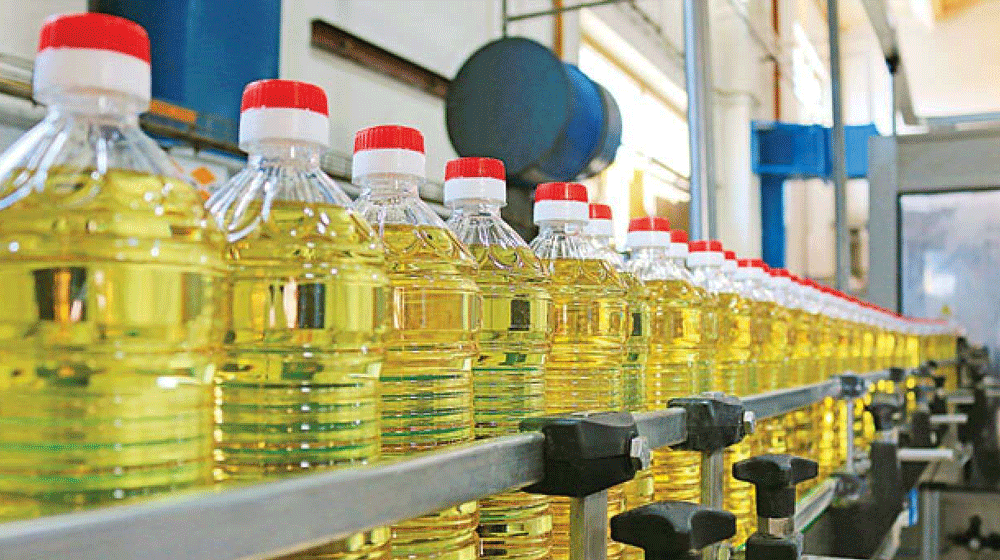
A significant structural shift is underway in Pakistan’s essential commodity markets, directly impacting household budgets. Recent data indicates a sharp escalation in cooking oil prices across the nation, intensifying financial pressures on families already grappling with elevated living costs. This calibrated increase, driven by supply chain dynamics, necessitates a precise understanding of its socio-economic ramifications and the strategic responses required for national advancement.
The Translation: Unpacking the Escalation in Cooking Oil Prices
Market analytics reveal a substantial rise in essential cooking oil costs. Over the past week, prices have surged by approximately Rs. 60 per liter, pushing the retail price to an average of Rs. 550 per liter. Previously, this vital commodity was available at Rs. 490 per liter. Shopkeepers attribute this rapid increment primarily to a discernible shortage in supply, a critical factor influencing market equilibrium. Furthermore, this trend aligns with broader inflationary pressures across Pakistan’s economic landscape, where the cost of staple goods continues its upward trajectory. Consequently, the purchasing power of the average Pakistani citizen experiences a notable decline.
Broader Market Dynamics and Essential Goods
In parallel with the spike in essential cooking fats, flour prices have also registered an increase. A 5-kg bag of flour is now retailing for Rs. 900, significantly surpassing the cost of alternative brands available within the market. This dual increment in fundamental food items amplifies the strain on household budgets, making daily sustenance increasingly challenging. Therefore, a comprehensive strategy is paramount to address these cascading price adjustments, particularly concerning cooking oil prices.

Socio-Economic Impact: How Rising Costs Affect Daily Life
This surge in essential commodity prices directly translates into tangible challenges for Pakistani citizens. For urban households, a larger portion of disposable income is now allocated to food, potentially curtailing spending on education, healthcare, or other necessities. In contrast, rural families, often operating on tighter budgets, face an even more pronounced struggle to secure basic provisions. Students might experience indirect impacts through reduced nutritional intake or increased financial stress on their families, potentially affecting academic performance. Professionals, conversely, face an erosion of their real wages as inflation outpaces salary adjustments. The cumulative effect is a reduction in overall quality of life and an increase in economic vulnerability for a vast segment of the population.
The Forward Path: A Stabilization Move or Momentum Shift?
From a structural perspective, this current inflationary wave represents a Stabilization Move rather than a Momentum Shift towards progress. While immediate actions might be required to mitigate the acute distress, the underlying issues of supply chain fragility and broader economic inflation indicate a need for fundamental systemic adjustments. A true momentum shift would involve strategic investments in domestic production, diversification of import sources, and robust regulatory frameworks to stabilize essential commodity markets. Therefore, policymakers must calibrate interventions that not only address immediate price volatility but also foster long-term resilience and predictability in the national economy, ensuring equitable access to vital resources for all citizens.








