

Architecting a Stable Grid: Pakistan’s New Fixed Electricity Charges
Pakistan is strategically proposing new fixed electricity charges for its protected consumers. This calibrated adjustment follows the recent implementation of updated solar net billing rules, signaling a significant recalibration within the national power tariff structure. This move, discussed during a critical NEPRA hearing, aims to optimize energy distribution equity and reduce reliance on cross-subsidies. Consequently, it will directly influence household electricity bills across both urban and rural Pakistan, prompting a fundamental re-evaluation of energy consumption patterns for millions.
The Translation: Deconstructing Pakistan’s Tariff Overhaul
The National Electric Power Regulatory Authority (NEPRA) is currently reviewing a pivotal proposal from the Power Division. Specifically, this initiative introduces mandatory fixed electricity charges for protected domestic consumers, a segment previously exempt from such tariffs. Historically, fixed charges applied exclusively to non-protected users consuming over 300 units monthly. This shift structurally aims to streamline the tariff mechanism and reduce cross-subsidies within the power sector. Furthermore, it seeks to create a more equitable baseline for energy cost distribution, directly reflecting infrastructure maintenance and supply reliability across the grid.
Understanding Fixed Charges and Net Billing Dynamics
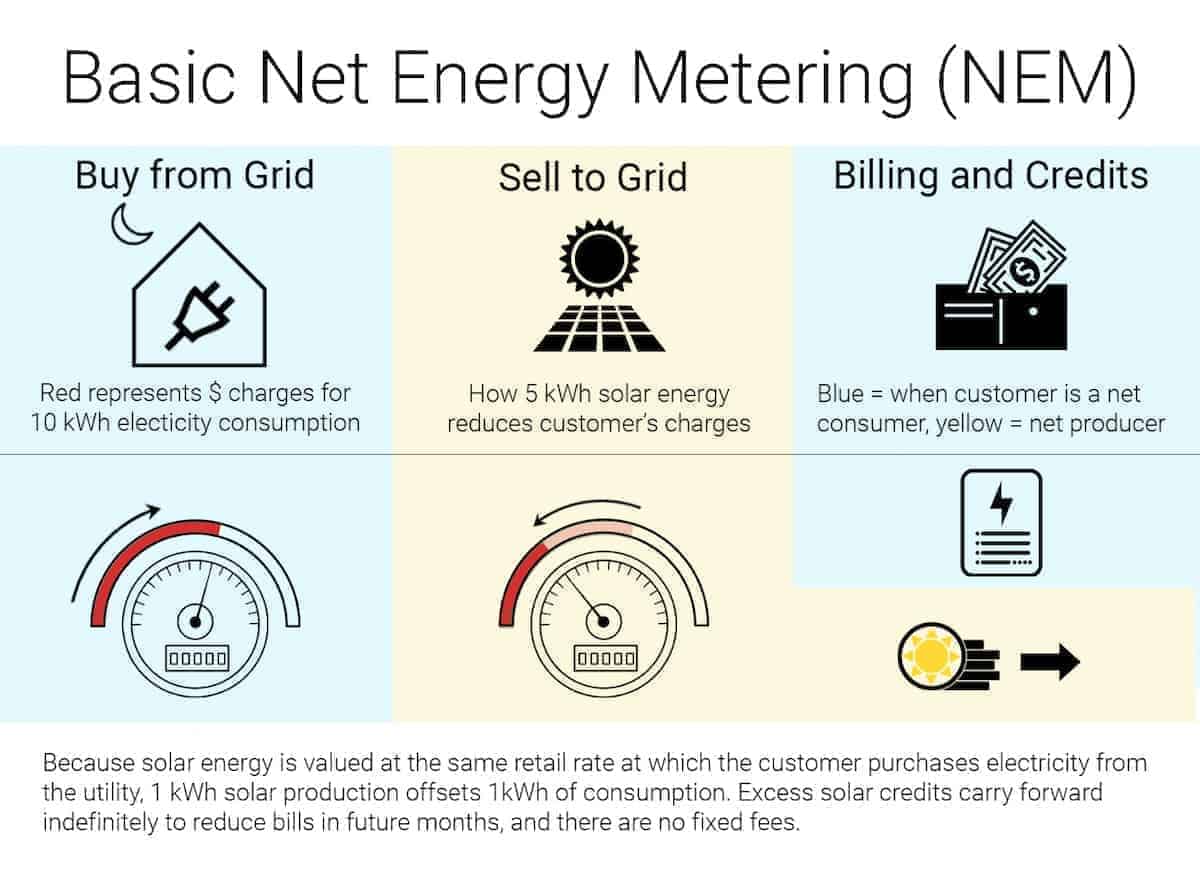
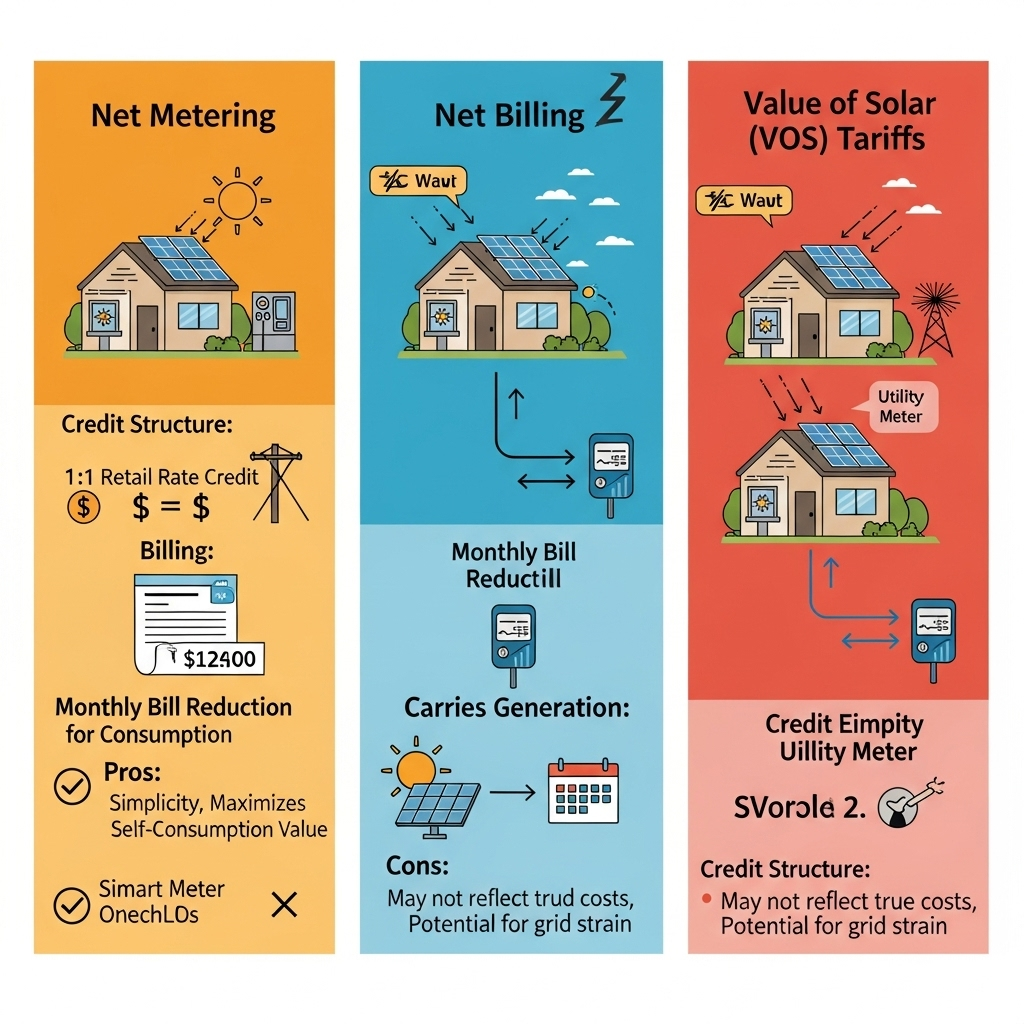
Fixed charges represent a baseline fee independent of consumption volume, covering system readiness and administrative overheads. In contrast, net billing, a component of solar energy policy, allows consumers to sell surplus electricity back to the grid. The integration of fixed charges with new net billing rules fundamentally redefines the economic model for solar prosumers. This structural reform ensures that all consumers contribute to the grid’s operational stability, even those generating their own power. Therefore, this move necessitates a precise understanding of the revised tariff structure for effective energy management.
The Socio-Economic Impact: Calibrating Daily Life for Citizens
This proposed change to fixed electricity charges will introduce a tangible shift in the daily financial planning for Pakistani households. For students and young professionals, budgeting for essential services will now include a predictable, non-negotiable electricity component. Families in urban centers, potentially managing higher consumption, might see a relative decrease in their variable costs due to revised non-protected tariffs. Conversely, rural households, often consuming fewer units but falling under the ‘protected’ category, will experience new fixed expenses. This necessitates a careful recalibration of monthly expenditures across all demographics. Consequently, the measure aims to ensure grid stability, yet it requires citizens to adapt their financial strategies to these new, structured costs.

Revised Tariff Structure: A Detailed Breakdown
The proposal delineates specific fixed charges based on monthly consumption tiers. For instance, protected consumers utilizing up to 100 units will face a Rs. 200 fixed charge, escalating to Rs. 300 for those consuming up to 200 units. Non-protected consumers also experience revised fixed charges; for usage up to 100 units, a Rs. 275 charge is proposed, increasing progressively with higher consumption brackets. These structured adjustments aim to distribute the burden of grid maintenance more broadly, ensuring a baseline contribution from all active connections. Consequently, this detailed breakdown empowers consumers to predict and manage their basic electricity expenditure more effectively.
- Protected Consumers:
- Up to 100 units: Rs. 200 fixed charge
- Up to 200 units: Rs. 300 fixed charge
- Non-Protected Consumers:
- Up to 100 units: Rs. 275 fixed charge
- Up to 200 units: Rs. 300 fixed charge
- Up to 300 units: Rs. 350 fixed charge
- 301 to 400 units: Rs. 400 fixed charge
- 401 to 500 units: Rs. 500 fixed charge
- 600 units: Rs. 675 fixed charge (increased by Rs. 75)
- Up to 700 units: Rs. 675 fixed charge (reduced by Rs. 125)
- Over 700 units: Rs. 675 fixed charge (reduced by Rs. 325)

The Forward Path: A Strategic Stabilization Move
This proposal by NEPRA represents a clear Stabilization Move for Pakistan’s power sector. It is not primarily a momentum shift for immediate growth but rather a structural recalibration designed to fortify the existing energy infrastructure and ensure long-term financial viability. The systematic reduction of cross-subsidies, coupled with universal fixed electricity charges, provides a more predictable revenue stream for power distribution companies. Consequently, this allows for more effective planning for grid maintenance, upgrades, and capacity expansion. This pragmatic approach underscores a commitment to robust system efficiency, establishing a firmer baseline for future energy advancements. It is a necessary, albeit impactful, step toward a more resilient and equitably funded national grid.









