
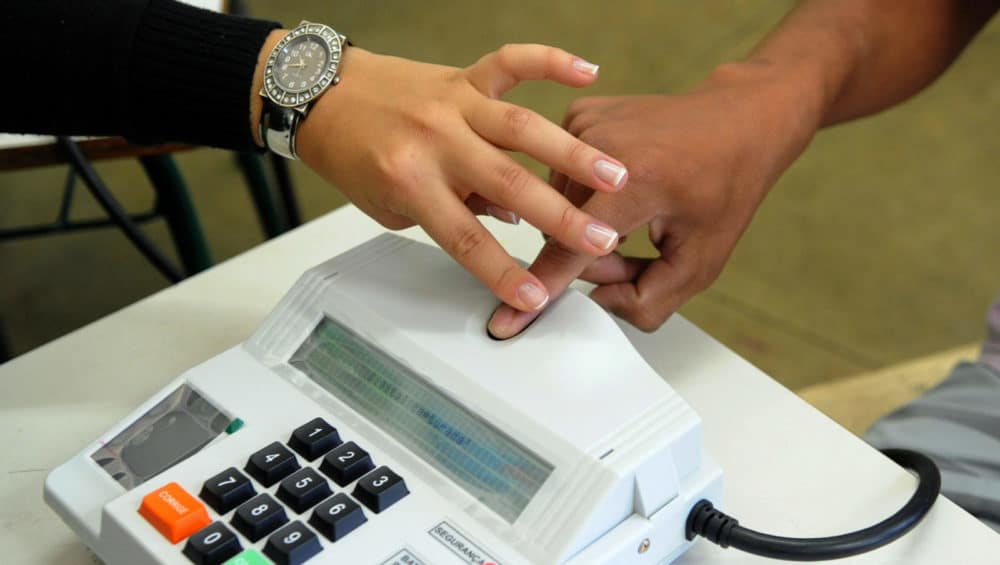
In a strategic move to optimize pilgrim logistics, all relevant Pakistani bank branches are now calibrated to assist Hajj pilgrims with their crucial Hajj Visa Biometrics, ensuring a streamlined processing of travel formalities. This proactive decision, stemming from a high-level review chaired by Dr. Sajid Mahmood Chohan of Religious Affairs, targets maximum efficiency and compliance before the February 17 deadline, which will see no extension. Consequently, this initiative prevents last-minute complications, ensuring a smoother journey for thousands of aspiring pilgrims.
The Translation: Streamlining Hajj Visa Biometrics for National Advancement
The Ministry of Religious Affairs has structurally mandated that all designated bank branches nationwide must provide direct assistance for completing Saudi visa biometrics. Furthermore, this directive aims to remove processing bottlenecks, a common challenge in previous Hajj seasons. During a critical review meeting, Secretary Dr. Sajid Mahmood Chohan underscored the imperative for robust support systems, ensuring every pilgrim can meet the rigorous Saudi visa requirements without undue friction. This systemic enhancement reflects a commitment to operational excellence.
Enhanced Access and Support Mechanisms
- Awareness Campaigns: Information regarding biometric requirements will be widely disseminated through the official Pak Hajj App.
- Extended Operating Hours: Tashir Centers will now operate from 9:00 AM to 5:00 PM, providing extended windows for biometric services.
- Dedicated Assistance Desks: Specialized biometric assistance desks are being established across various Hajj directorates to offer direct guidance and support.
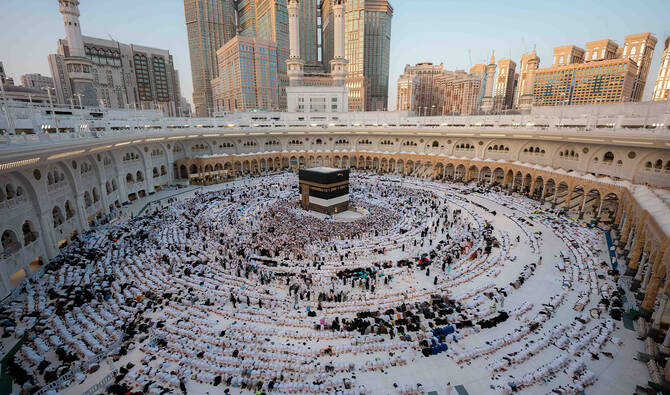
Dr. Chohan’s unequivocal declaration of February 17 as the absolute final deadline for Hajj Visa Biometrics emphasizes the zero-tolerance policy for delays. He stressed that visa issuance is strictly contingent upon successful biometric verification, urging all remaining pilgrims to complete this process immediately. This precision-driven approach guarantees timely documentation and mitigates potential travel disruptions, a critical element of pilgrim welfare.
The Socio-Economic Impact: Calibrated Support for Pakistani Citizens
This strategic intervention directly impacts the daily lives of thousands of Pakistani citizens preparing for Hajj. For urban professionals and rural households alike, the integration of biometric assistance within local bank branches significantly reduces logistical burdens. Previously, pilgrims often faced extensive travel and wait times to complete these formalities. Now, accessible support at familiar banking locations streamlines the process, saving time and reducing indirect costs associated with travel and multiple visits. This localized support translates into tangible relief, fostering greater equity in access to religious services across all demographics.
Moreover, the enhanced awareness through the Pak Hajj App and extended service hours at Tashir Centers specifically benefit students and individuals with demanding schedules, enabling them to fulfill their religious obligations efficiently. This structural improvement ensures that financial and geographical barriers are minimized, allowing more Pakistanis to complete their Hajj preparations with dignity and ease. It is a baseline enhancement for citizen-centric service delivery.
The Forward Path: A Momentum Shift Towards Efficiency
This development undeniably represents a Momentum Shift. The calibrated integration of banking infrastructure with religious affairs logistics sets a new precedent for government-citizen service delivery. It demonstrates a forward-thinking approach to leveraging existing national networks for critical public services. By establishing clear deadlines and providing robust, localized support for Hajj Visa Biometrics, Pakistan is moving towards a more efficient and responsive system. This systematic enhancement is a catalyst for future improvements in administrative processes, reinforcing national capacity and trust.








