
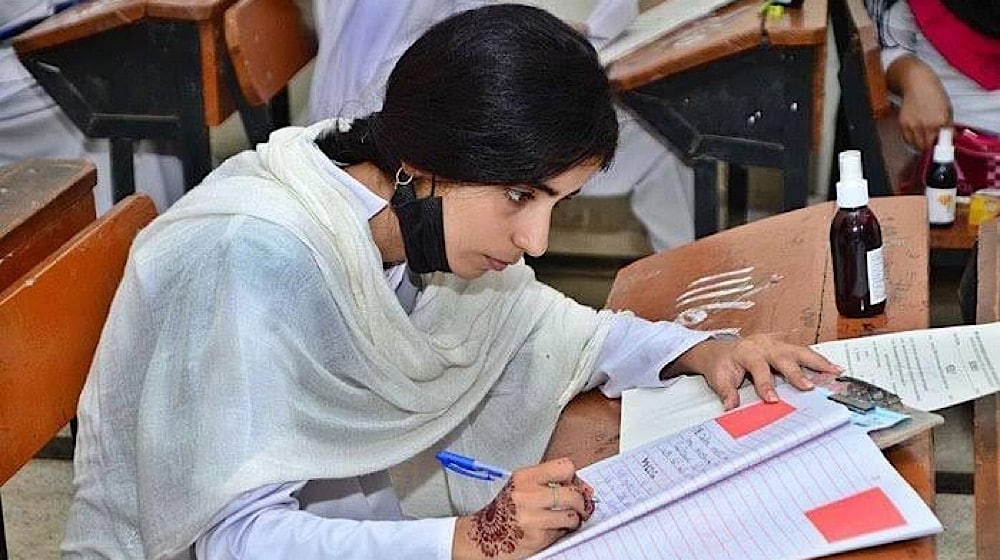
The Sindh College Education Department has initiated a province-wide college photography ban Sindh in government girls’ colleges. This strategic directive aims to mitigate the unauthorized capture and dissemination of student images on social media, thereby upholding social, religious, and legal standards. Violations will result in stringent disciplinary and potentially legal actions against individuals and college administrations, underscoring a calibrated response to digital misuse.
What This Policy Means for Our Educational Infrastructure
This critical directive formalizes a province-wide prohibition on photography within all government girls’ colleges. Furthermore, official notifications have been dispatched to college principals, mandating strict compliance. This decision originates from an advisory issued by the Special Secretary for Colleges, subsequently amplified through official communications to institutions across Karachi. The department explicitly stated that photographs of female students were being taken without explicit consent and then shared across various social media platforms, constituting a severe breach of established social and religious norms, alongside existing legal frameworks. Consequently, multiple complaints regarding such unauthorized image capture and circulation have been officially registered.

The Operational Rationale: Ensuring Digital Integrity
The Special Secretary decisively highlighted specific incidents involving the covert photography of both female teachers and students, followed by the subsequent distribution of these images on platforms such as Facebook and WhatsApp. In response, the department has implemented a comprehensive ban on all photography within college premises. Additionally, Professor Qazi Arshad, the College Education Regional Director, issued a separate letter, cautioning that any failure to adhere to this ban will lead to direct disciplinary action against relevant principals and staff members. This structural enforcement aligns with previous measures, such as the Punjab government’s restrictions on mobile phone usage in schools, demonstrating a broader regional commitment to student and staff digital safety.
The Socio-Economic Impact: Calibrating Student Safeguards
This new policy directly impacts the daily lives of female students and their families across Sindh. Firstly, it establishes a foundational layer of digital security, aiming to protect student privacy and personal agency within educational settings. This measure is particularly vital for urban and rural households, where concerns over online harassment and image misuse are increasingly prevalent. Secondly, by explicitly addressing the unauthorized sharing of images, the directive intends to foster a more secure and respectful learning environment. This directly enhances parental trust in educational institutions, knowing their daughters are safeguarded against evolving digital threats. Consequently, this policy can empower students to focus on their academic pursuits without the added burden of privacy concerns, promoting an unhindered educational experience.
Elevating Campus Security Protocols
For educational professionals, this directive clarifies responsibilities and elevates campus security protocols. It necessitates rigorous oversight from principals and staff, transforming them into frontline enforcers of digital safeguarding. Furthermore, the explicit threat of disciplinary action ensures that compliance is a prioritized institutional mandate, rather than a mere recommendation. This structural adjustment means that colleges must now integrate student privacy measures as a core component of their operational framework. Ultimately, this creates a more predictable and secure educational ecosystem, which is a significant step towards modernizing institutional safeguarding practices in Pakistan.
The “Forward Path”: A Stabilization Move Towards Digital Responsibility
This development represents a Stabilization Move rather than a complete “Momentum Shift.” While it is a necessary and welcome corrective action against existing digital misuse, its primary function is to re-establish a baseline of safety and privacy within educational institutions. The ban acts as a critical circuit-breaker against prevalent issues of unauthorized image distribution, which is essential for maintaining social trust and upholding legal standards. However, a true “Momentum Shift” would involve proactive technological solutions, comprehensive digital literacy programs for students and staff, and robust mechanisms for reporting and addressing online harm beyond mere prohibition. Therefore, this ban is a strategic, defensive maneuver, stabilizing the current environment and setting the stage for more expansive, forward-thinking digital governance strategies.








