A Strategic Recalibration: Pakistan’s New Net Metering Regulations
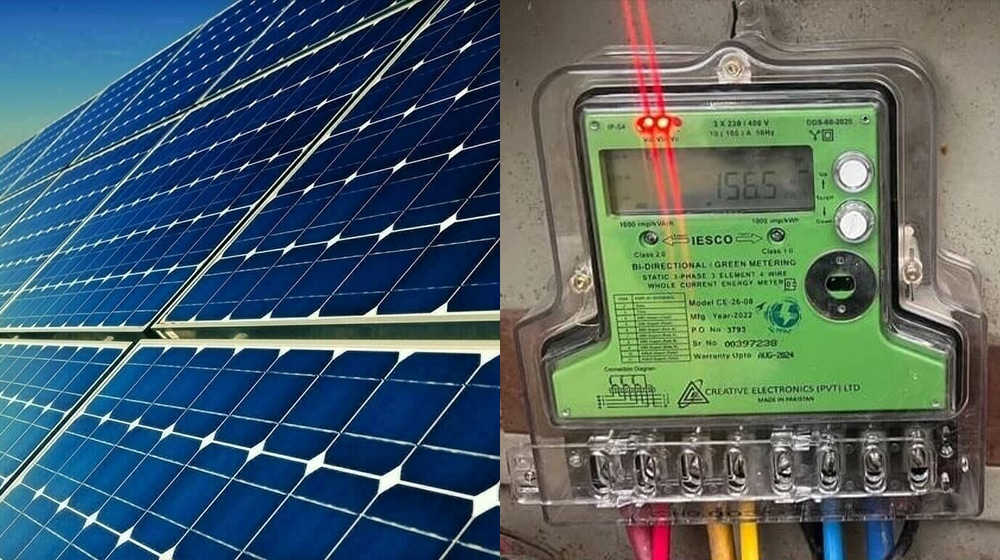
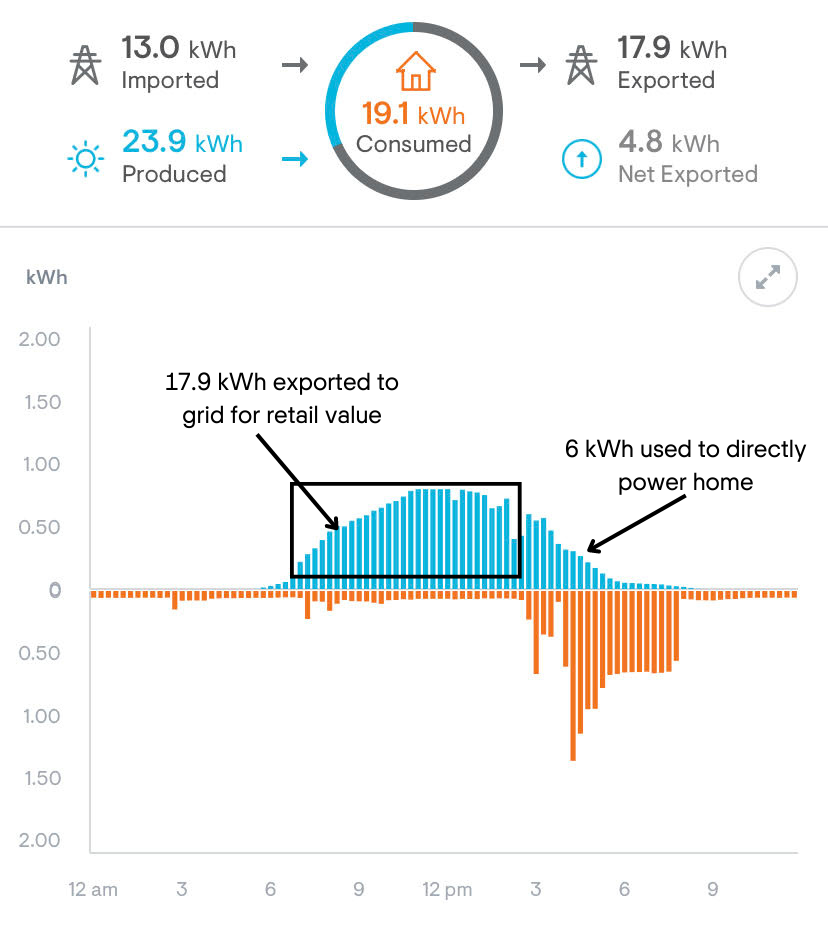
A strategic recalibration of Pakistan’s energy infrastructure is underway. The National Electric Power Regulatory Authority (NEPRA) has enacted the Net Metering Regulations 2026, fundamentally transforming the dynamics of distributed generation. This pivotal shift discontinues the unit-for-unit electricity supply system, introducing a refined net billing mechanism. Consequently, solar, wind, and biogas prosumers up to 1 MW will now experience a new framework where electricity exported to the national grid is purchased at the National Average Energy Price, while consumed energy is billed at prevailing tariffs. This structural adjustment aims to standardize generation, enhance transparency, and integrate consumer-level power with the broader regulatory framework, signifying a baseline shift in Pakistan’s sustainable energy policy.
Understanding the Calibrated Shift in Energy Policy
From Unit-for-Unit to Net Billing Mechanism under the 2026 Framework
Previously, Net Metering Regulations allowed prosumers to directly offset their consumption with exported electricity on a one-to-one unit basis. This implied a direct reduction in their electricity bill equivalent to the units supplied. However, the new framework, the Prosumer Regulations 2026, replaces this with a net billing mechanism. Under this precise system, electricity injected into the grid is considered a separate transaction. The Discos (Distribution Companies) will purchase this surplus energy at the National Average Energy Price, a rate determined by the national regulator. Conversely, consumers will pay for their consumed electricity at the standard applicable tariff. Billing cycles will occur monthly, ensuring transparent financial settlement for both energy supplied and consumed. This distinction is crucial; it separates energy generation from consumption for billing purposes, thereby providing a more granular and equitable financial model, consistent with the spirit of the latest Net Metering Regulations.
Socio-Economic Impact: Recalibrating Daily Life for Pakistani Citizens
Adapting to New Energy Economics under the Revised Framework
This regulatory modification will directly impact the financial calculus for students, professionals, and households across urban and rural Pakistan. For existing solar users, the economic return on their initial investment will be adjusted. While they still benefit from generating their own power, the monetary value of their exported surplus electricity will now be determined by the national average price, not directly offset against their consumption at higher retail rates. Therefore, optimizing self-consumption becomes a more significant strategic consideration. New adopters of solar technology must carefully model their payback periods, considering these revised financial flows. This move encourages a calibrated approach to energy independence, pushing consumers to invest in energy-efficient appliances and storage solutions to maximize on-site utilization. Consequently, this policy promotes a more disciplined energy consumption pattern, potentially fostering a widespread culture of efficiency and resource management across various demographics, as outlined in the current Net Metering Regulations.
Expanding Scope and Contractual Clarity for Distributed Generation
NEPRA has broadened the eligibility criteria for net metering, encompassing residential, commercial, industrial, agricultural, and general services consumers connected at 400V or 11kV. This expansion provides a wider baseline for participation in distributed generation. Furthermore, the contract period for net metering has been precisely limited to five years, with an option for renewal for an additional five. This structured approach provides both predictability for prosumers and flexibility for the regulatory authority to adapt to evolving energy market dynamics. It ensures that the framework remains agile and responsive to technological advancements and economic shifts within the energy sector, safeguarding long-term systemic efficiency under the revised Net Metering Regulations.
The Forward Path: A Stabilization Move for Energy Efficiency
This development represents a Stabilization Move rather than an immediate Momentum Shift. While some might perceive a reduction in direct financial incentives for exporting surplus solar, this policy is a necessary structural adjustment. It calibrates the energy market towards a more sustainable and equitable model where the grid’s stability and the cost of maintaining infrastructure are appropriately factored. By standardizing distributed generation and aligning it with broader tariff structures, NEPRA is laying a more robust foundation for Pakistan’s energy future. This framework encourages precision in energy management and fosters long-term systemic resilience. Consequently, it promotes a more mature and integrated approach to renewable energy adoption, ensuring its sustained contribution to national advancement. This is a strategic step towards a more resilient and self-reliant energy landscape for Pakistan, shaped by the calibrated Net Metering Regulations.