
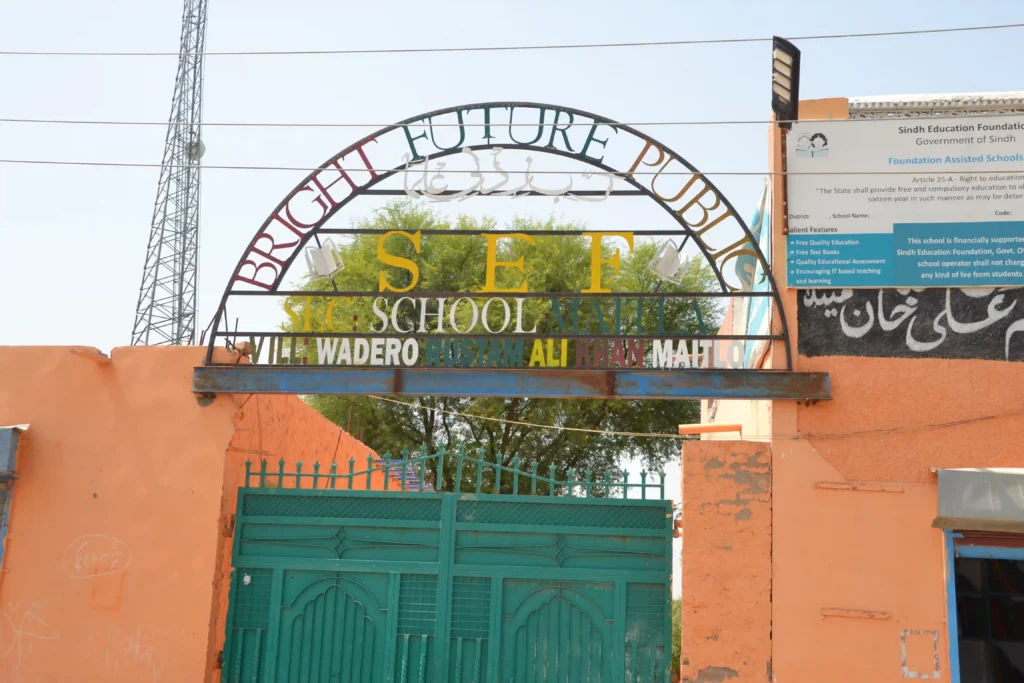
My recent visit to the Special Education Complex, Ghotki, was truly transformative. I went not merely as a visitor, but as someone eager to understand this vital institution. Located in Mirpur Mathelo, this complex serves as a crucial lifeline for children with special needs, operating under the guidance of Principal Director Mr. Saifullah Mehar and in collaboration with the SEWAI Foundation. It stands as a beacon of hope for many often overlooked in our society.
Understanding My Purpose at Ghotki Special Education Complex
Initially, my visit formed part of a Community-Based Rehabilitation (CBR) project. This initiative received support from the Department of Empowerment of Persons with Disabilities, Government of Sindh. However, beyond the official agenda, a deeper, personal reason drove me. I wanted to observe, experience, and truly listen to the stories within its walls. Therefore, my presence aimed to foster genuine connection, not just bureaucratic compliance.
A Conversation with Principal Saifullah Mehar
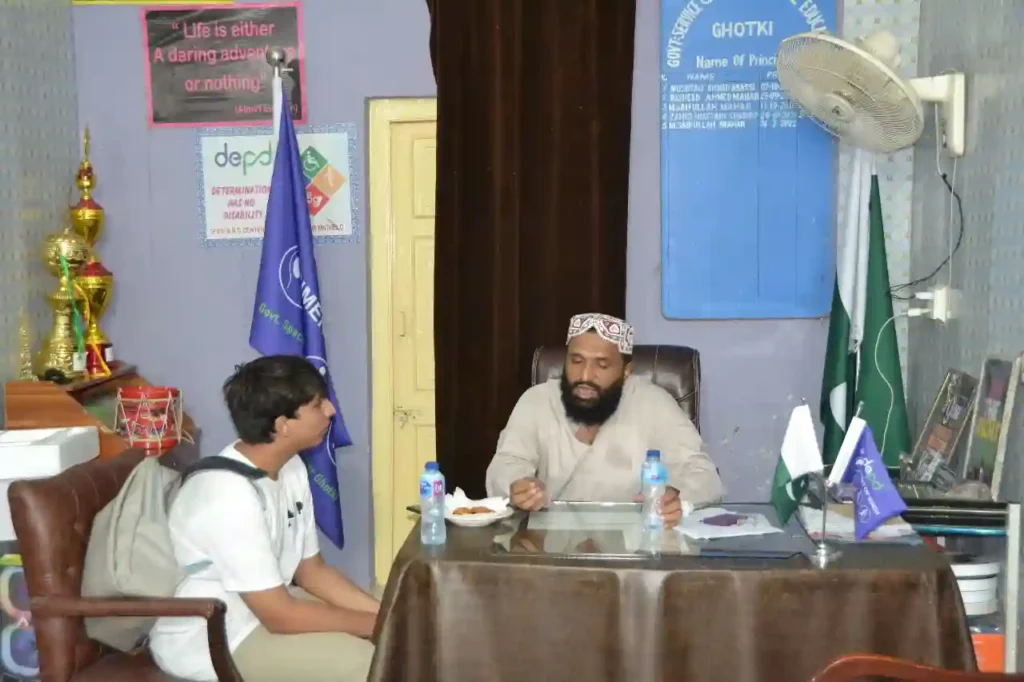
Meeting Mr. Saifullah Mehar felt like encountering a silent warrior. His description of the school, the children, and their challenges was heartfelt. It resembled a father discussing his children’s needs, rather than a mere administrative report. Remarkably, he conveyed no sense of complaint despite outlining limitations. Instead, he spoke with unwavering hope, embodying true leadership.
He further elaborated on their impactful partnership with the SEWAI Foundation. Together, they established an assistive devices distribution program. This program provides essential items such as wheelchairs, walking aids, and hearing support for persons with disabilities. Ultimately, this initiative offers children not just education, but also mobility, independence, and dignity, which are fundamental aspects of true learning.
Inside the Special Education Complex Ghotki Classrooms
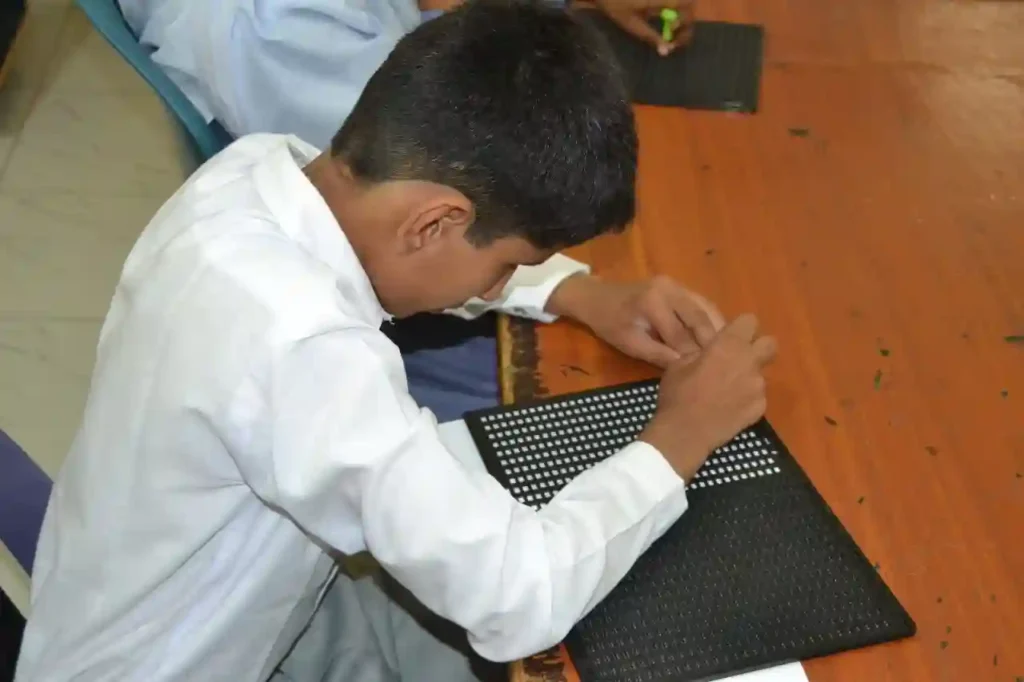
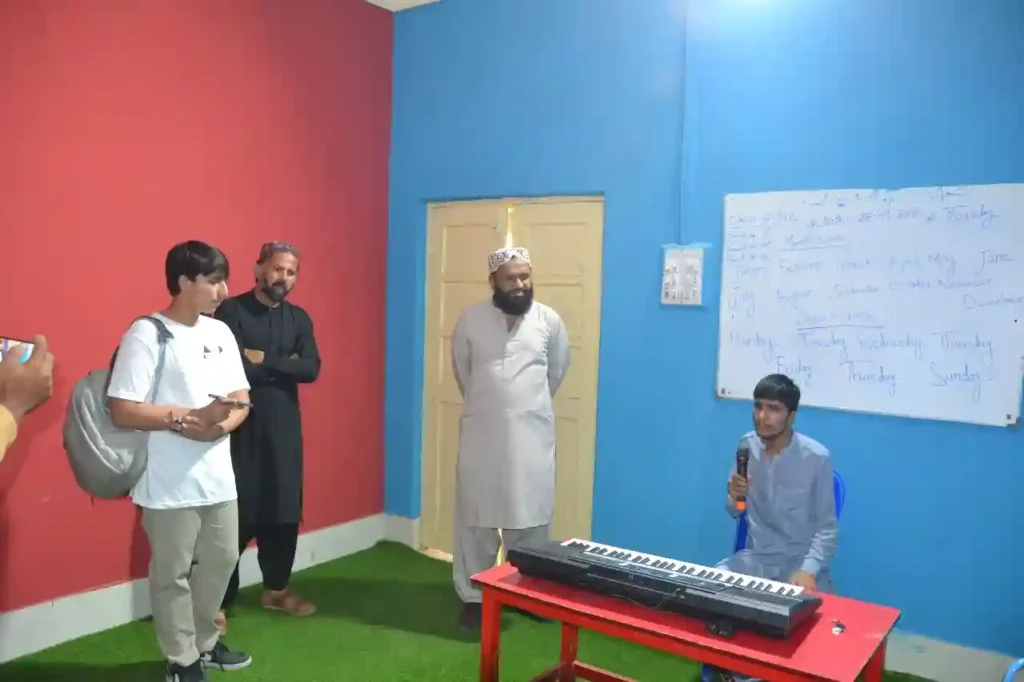
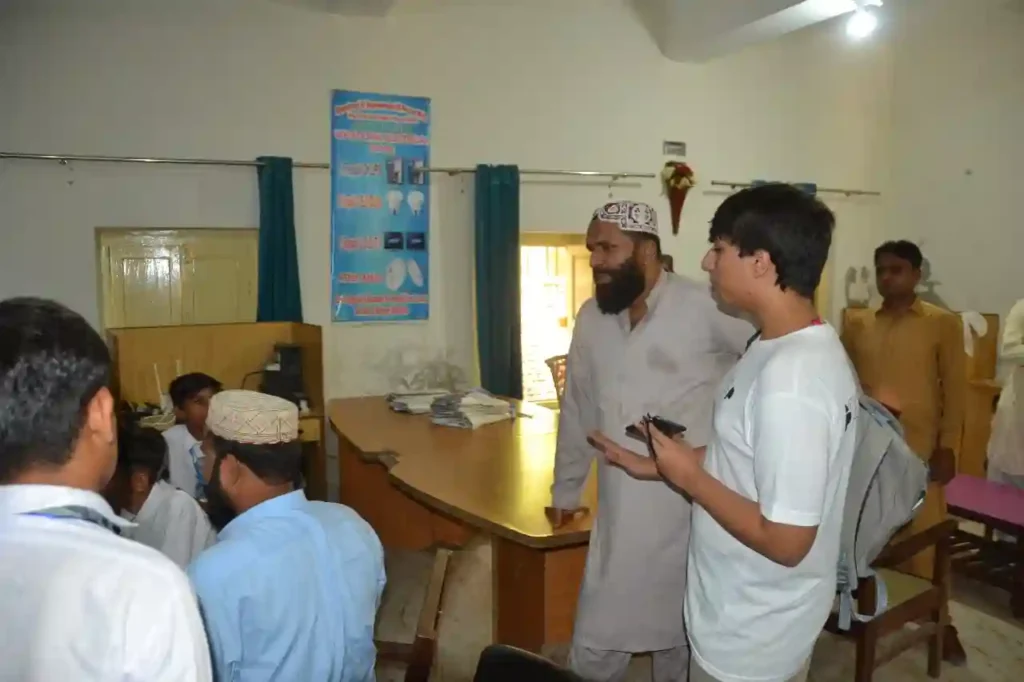
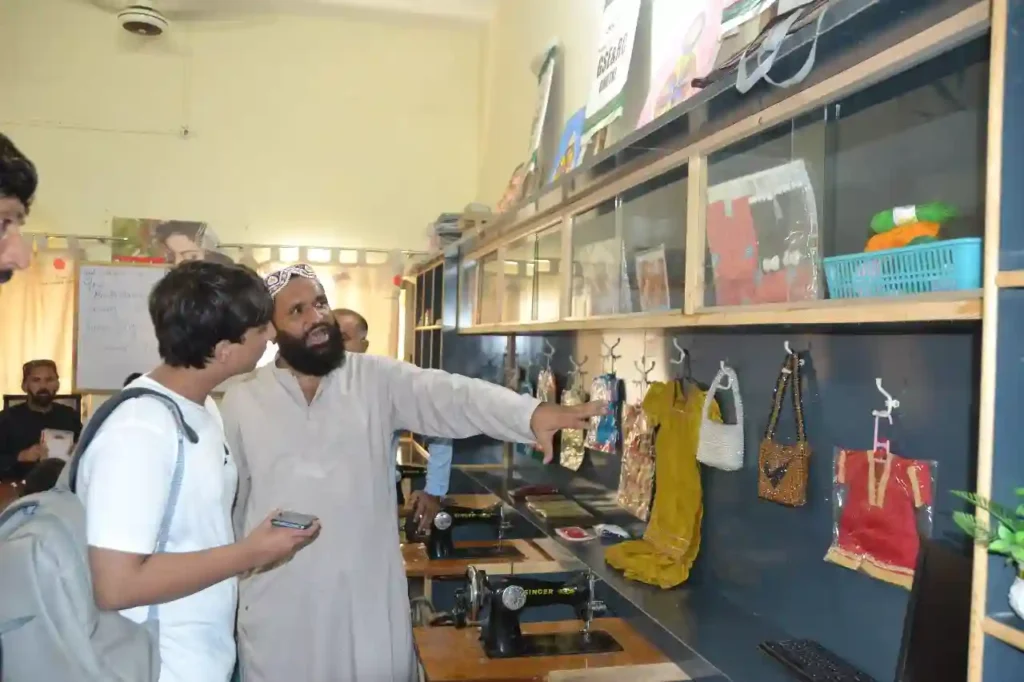
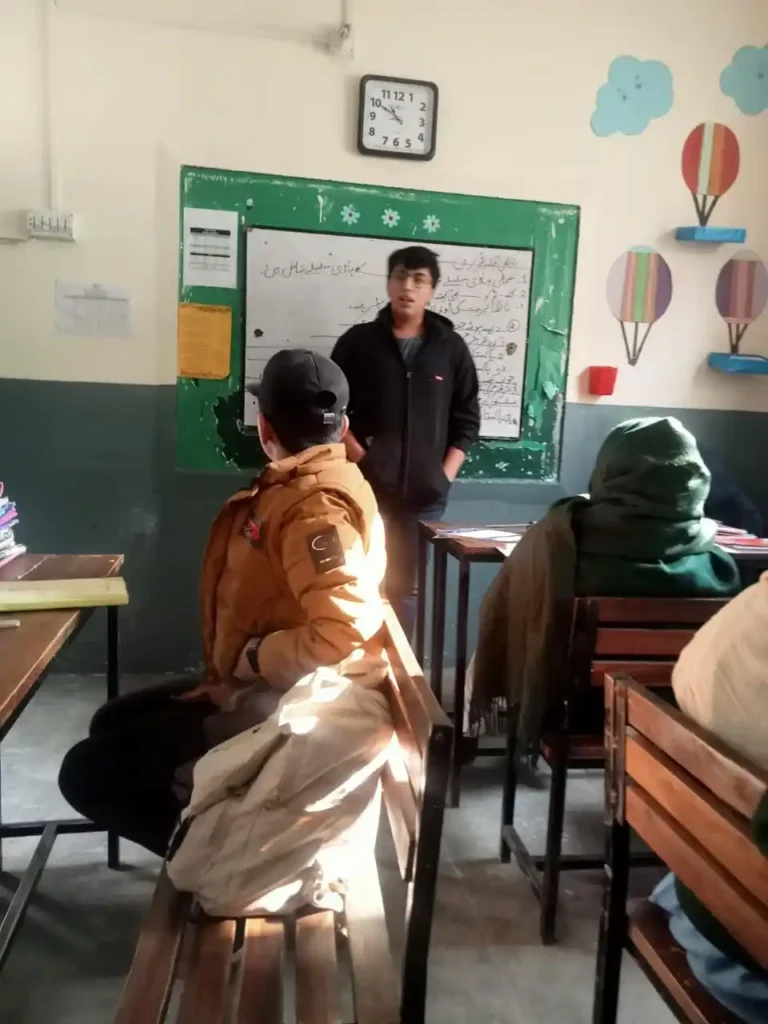
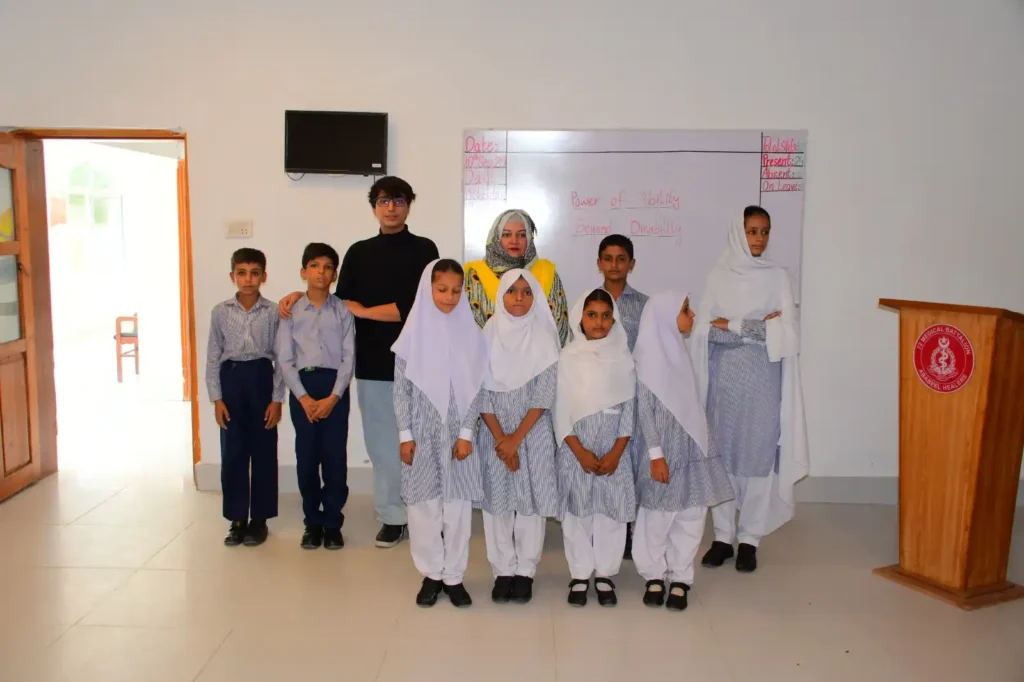
Walking through a special children’s school initially brings a sense of quiet. This silence, however, isn’t empty; it prompts deep personal reflection. Soon, the space fills with laughter, voices, and the small, determined efforts of children striving to communicate. Each sound resonates profoundly. Furthermore, we observed the dedicated staff members; their smiles radiated hope, yet I discerned a shortage of crucial resources. They needed more workforce and specialized trained hands, not love, which was clearly abundant.
Addressing Challenges in Special Education Ghotki
When I inquired about their challenges, I anticipated a lengthy recitation. Instead, they offered a concise list of needs:
- Limited Staff: A critical shortage of trained personnel hampers daily operations.
- Insufficient Community Awareness: A broader understanding of special needs education is vital.
- Lack of Workforce Support from FFC: Despite past charity, ongoing support from Fauji Fertilizer Company remains absent.
The mention of FFC particularly captured my attention. They previously engaged in charitable activities, even establishing their own special school. Yet, this institution still awaits basic provisions, like a dedicated physiotherapist. Even a weekly visit could significantly transform lives. Imagine the profound impact such a simple, yet powerful, intervention would have.
Outstanding Facilities, Yet Room for Growth
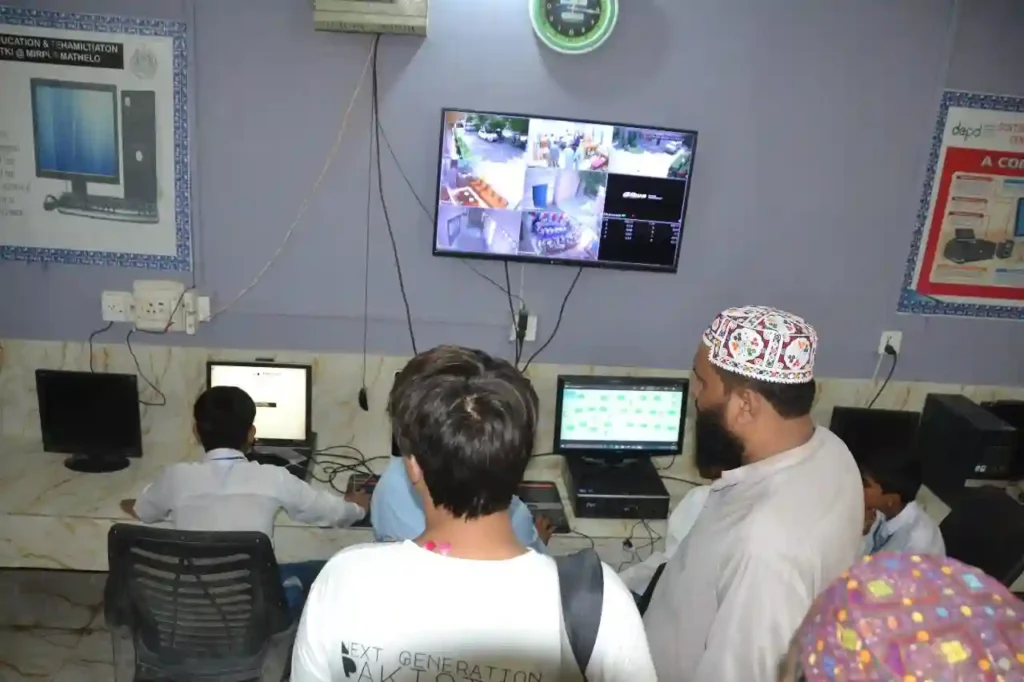
It’s important to clarify: this school is far from an underfunded structure with crumbling walls. In fact, it ranks among the top facilities in this region. The environment they have cultivated offers special children crucial opportunities, assistive devices, and most importantly, a profound sense of belonging. However, a stark realization emerges: what constitutes “top-of-the-line” here would be deemed very “basic” in Western countries. This disparity highlights a significant gap.
Pakistan’s Approach to Special Needs: A Stark Contrast
In many developed nations, particularly in the West, special education is not an anomaly. It’s considered normal, mandatory, and fully mainstream. Teachers receive specialized training, therapists are readily available, and communities actively engage. Conversely, in Pakistan, we often demonstrate our societal poverty not through empty coffers, but through systemic negligence. We continue to label these vital facilities as “special,” rather than integrating them as a normal part of our educational landscape. Consequently, why do we persistently hide behind the excuse of “lack of funds”?
Funds undeniably exist. What remains conspicuously absent, however, is effective governance, unwavering honesty, and a clear sense of national priority for these essential services.
Connecting with the Children: A Human Perspective
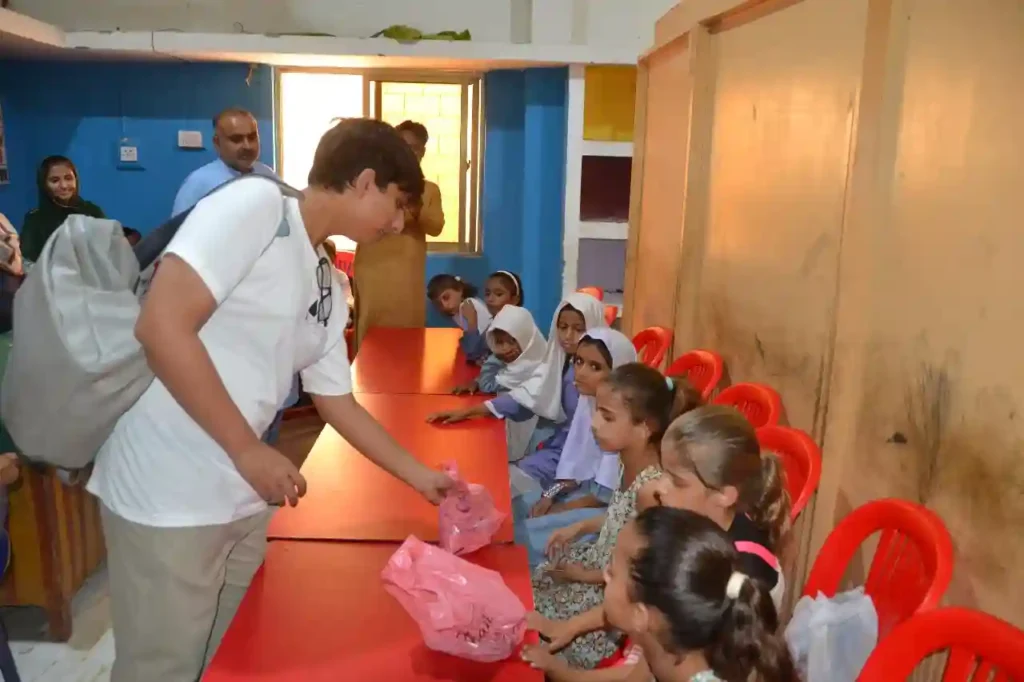
Sitting among the children, I experienced a profound realization: they are not “different.” One boy genuinely smiled and clasped my hand; a little girl giggled when I playfully mispronounced her word. In that precise moment, it became clear: perhaps their disability lies not within their bodies. Instead, it might reside in our society’s entrenched mindset. We, the society, are metaphorically disabled in our perception of them. We also stand paralyzed when it comes to offering them the necessary support.
Call for Volunteers: Supporting Special Education Ghotki
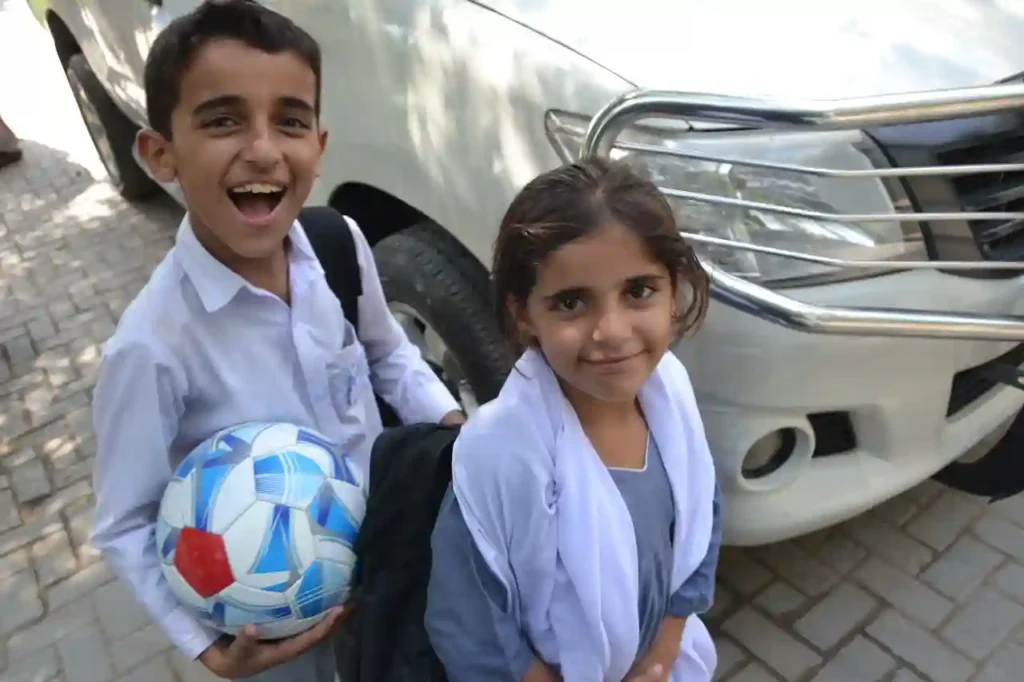
Consequently, I believe this effort must transcend mere charity; it must become a matter of genuine community and profound humanity. This school urgently requires dedicated volunteers—individuals willing to contribute their time, expertise, and focused attention. Even a few hours weekly could profoundly impact these children’s lives. If this narrative resonates with you, please consider reaching out through the SEWAI Foundation Facebook page. Alternatively, imagine establishing a volunteer portal where students, professionals, retirees, or anyone passionate can sign up to contribute their invaluable support. This is not charity; rather, it represents a fundamental responsibility.
Reflecting on Societal Responsibility for Special Needs
Leaving the school, a crucial question lingered: Are we genuinely impoverished, or do we simply choose to act poor by neglecting facilities that embody our shared humanity? When a society fails to adequately care for its most vulnerable—its children, its differently-abled, its marginalized populations—what does that reveal about our collective values? As a society, we often prove our poverty not through lack of funds, but by failing to prioritize institutions that truly define our humanity.
Final Reflections from Muhammad Yahya Amir
I, Muhammad Yahya Amir, departed the Special Education Complex Ghotki today not with sorrow, but with a renewed sense of responsibility. My commitment involves sharing their compelling story and reminding others that these institutions are not centers of charity; rather, they are beacons of dignity and opportunity. Ultimately, I pose this lingering question to you: Are we truly impoverished, or merely careless enough to perpetually prove our poverty by overlooking the most crucial facilities that define us?

Such a powerful and eye-opening post! It beautifully shows that the true strength lies in our compassion and responsibility towards differently-abled children. The call for community involvement really hits home and these kids deserve dignity, not just charity.
Awesome article and an eye opener that such institutions exist in Pakistan and providing services under all odds typical associated with this country. Good work in visiting a far flung area and recording all events so systemically.
The subject is an eye opener. As the author has elaborated it requires trained staff to tackle this particular issue. So pleased with your findings young man. I do hope the powers to be look into this and give dignity to these children. Keep up the great work ji
The act of visiting this educational facility itself deserves applause, moreover, the attention to minute details is commendable. These children deserve more professional attention. And we as more privileged people of society owe them our services and efforts, may them be of any sort.
This article is very convincing specially for those who have expertise of relevant sort and can contribute.
Thanks for putting light on this project from a remote area, your efforts truly bring the neglected to mainstream.
Appreciation for Mr Yahya.
“A remarkable step in empowering children with special needs through quality education and care.”
“The Special Education Complex, Ghotki, is a truly inspiring initiative. It not only provides education but also fosters independence, confidence, and dignity for children with special needs. Such efforts, supported by dedicated staff and the community, set a strong example for inclusive education across Pakistan.”
Very great initiative,
“Truly inspiring — initiatives like this make a lasting difference in building an inclusive and compassionate society.”
“Absolutely! Every child deserves the opportunity to learn, grow, and thrive through inclusive education.”
A thoughtful and impactful reflection.
May more people see these children not as “special cases,” but as equally deserving of opportunity, respect, and inclusion.