

Rawalpindi has strategically activated its annual Rawalpindi Dengue Prevention campaign, initiating a comprehensive plan for 2026 designed to precisely curb potential outbreaks. This proactive measure involves sector-based surveillance, enhanced resource deployment, and rigorous public awareness, aiming for a significant reduction in dengue cases as spring conditions favor larval growth. Despite these advanced operational preparations, a structural challenge has emerged regarding digital tool provision for field workers, sparking vital discussions on logistical efficiency.
Calibrated Response: Understanding Rawalpindi’s Dengue Prevention Framework
With the onset of spring, Rawalpindi has initiated its annual dengue prevention strategy for 2026, targeting potential outbreaks with precise operational frameworks. This blueprint delineates the district into five distinct sectors, seven zones, and 70 cluster centers. Each segment is under the supervision of dedicated in-charges, ensuring granular oversight and rapid response capabilities. Furthermore, areas with historical dengue incidence over the past three years are now officially designated as “hotspots,” allowing for a concentrated allocation of resources and proactive interventions. Health experts highlight that sustained spring sunshine creates optimal conditions for dengue mosquito larvae proliferation, necessitating immediate and comprehensive action.
Operational Mobilization & Resource Deployment
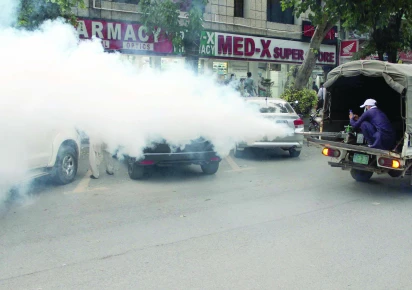
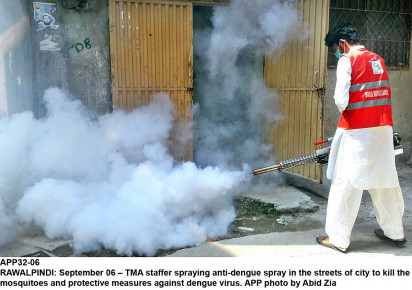
To bolster the campaign’s foundational strength, authorities have procured new spray pumps, specialized chemicals, and diagnostic kits, establishing a robust logistical baseline. Strategic review meetings are slated to commence next week, ensuring continuous performance calibration. Critically, the government has authorized the immediate recruitment of 3,000 daily-wage workers, both male and female, for deployment next month. This measure, coupled with the cancellation of existing workers’ leaves, ensures maximum operational readiness across all assigned zones.
Addressing Operational Challenges: The Digital Divide
A significant operational challenge has emerged concerning the 1,400 dengue workers. Authorities have decided against providing them with mobile phones and internet facilities this year. Consequently, workers are required to utilize personal devices and internet packages to submit daily photographic and video evidence of field activities. Despite monthly earnings ranging from Rs30,000 to Rs35,000, this policy has ignited protests, highlighting a disconnect in resource provision essential for efficient digital reporting.

Community Engagement & Institutional Directives
Simultaneously, the Health Department has promulgated new Standard Operating Procedures (SOPs) for both public and private educational institutions as part of the broader Rawalpindi Dengue Prevention initiative. These directives mandate the implementation of dengue awareness sessions, weekly awareness walks, prominent banner displays, and rigorous maintenance of facility cleanliness, particularly rooftops, washrooms, and water tanks. Deputy Commissioner Hassan Waqar Cheema has issued unequivocal orders for all relevant departments to intensify anti-dengue operations without delay. Furthermore, hospitals are preparing to activate dedicated dengue wards next month, anticipating potential case surges and ensuring medical readiness.
Societal Shield: How Rawalpindi’s Dengue Prevention Transforms Daily Life
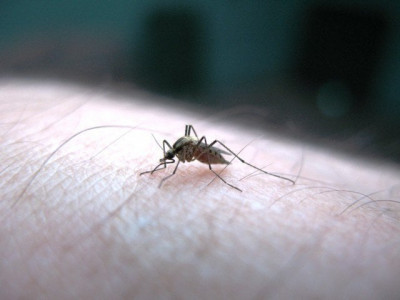
The intensified Rawalpindi Dengue Prevention efforts directly enhance the quality of life for Pakistani citizens. For urban families, robust fumigation and surveillance in declared hotspots translate into safer living environments, reducing the tangible fear of dengue fever that disrupts routines and imposes significant healthcare costs. Students in both urban and rural schools will benefit from mandatory awareness sessions, fostering a generation that is intrinsically aware of public health best practices. This proactive education equips households with the knowledge to maintain hygienic surroundings, thereby preventing breeding grounds.
Professionals, whose productivity can be severely impacted by dengue-related illness, stand to gain from a healthier community. Furthermore, the recruitment of 3,000 daily-wage workers offers a temporary but critical economic uplift for many households, particularly in underserved areas, providing immediate employment opportunities. However, the decision regarding digital tools for workers underscores a potential operational friction point. If workers are burdened with personal expenses for official duties, it could indirectly affect their morale and, consequently, the campaign’s effectiveness, potentially compromising public health outcomes despite the best intentions of the larger strategy. The sustained focus on hospital readiness also provides a baseline assurance of medical support, reducing anxiety during peak dengue seasons.
The Forward Path: A Structural Review of Rawalpindi’s Dengue Strategy
This latest initiative represents a Stabilization Move rather than a definitive Momentum Shift. While the detailed planning, sector-based division, and resource procurement demonstrate a commendable commitment to public health infrastructure, the unresolved issue of digital tool provision for field workers presents a critical operational vulnerability. A truly forward-looking strategy would integrate modern digital communication tools as standard operational equipment, optimizing data collection and real-time response capabilities. The current approach risks creating a two-tiered system where field efficiency is inadvertently compromised.
To achieve a true Momentum Shift, Rawalpindi must strategically invest in the empowerment of its frontline workers through integrated digital platforms. This would not only enhance data accuracy and response times but also signal a commitment to a digitally-enabled public health ecosystem. The current plan, while robust in its physical deployment, requires calibrated adjustments to fully leverage technological advancements for sustained, high-efficiency dengue mitigation.








