
Understanding the Structural Lag in Housing Development
Pakistan’s national advancement hinges on efficient infrastructure development. Consequently, Islamabad housing project delays in key Federal Government Employees Housing Authority (FGEHA) initiatives, including Sky Gardens and Green Enclave, present a structural challenge. These prolonged timelines generate considerable apprehension among prospective allottees. This detailed analysis examines the root causes and proposed resolutions, aiming to clarify the pathway forward for these critical urban development schemes.
The Translation: Decoding Project Status
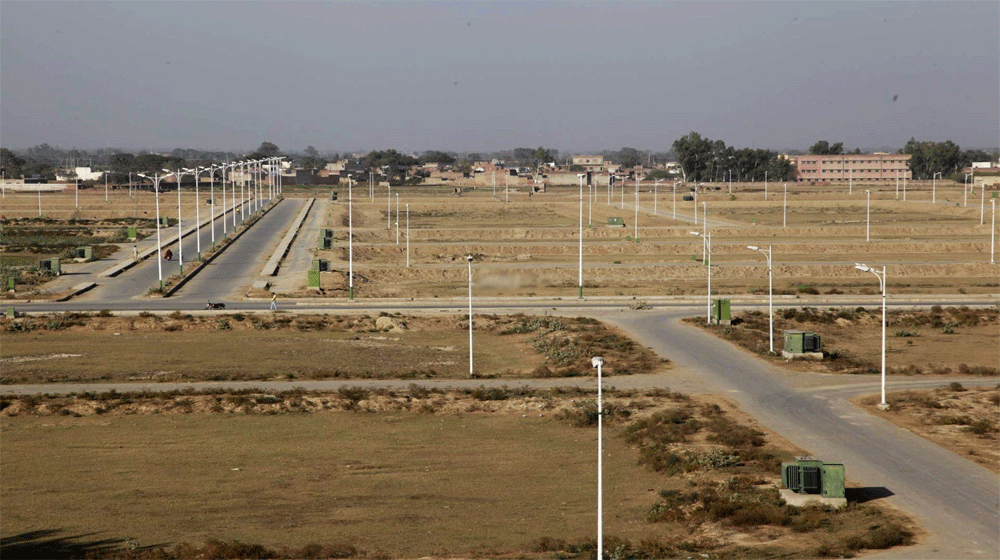
Official documentation provides a calibrated view of the FGEHA’s extensive housing portfolio. For instance, the Sky Gardens project, initiated in October 2019, strategically encompasses approximately 11,000 kanals near Bhara Kahu. This large-scale undertaking is designed to deliver over 5,700 residential plots, addressing significant housing demand in the capital region. Current data indicates a development progress of around 40% in Phase I and 42% in Phase II, reflecting methodical advancement despite the initial delays.
Furthermore, critical milestones are approaching for Sky Gardens. Possession for 80 plots in Sector A is anticipated by July 2025. Subsequently, Blocks G and D are projected for completion by March 2026. In contrast, Green Enclave-I, a project conceptualized in 2009, continues to navigate complex legal disputes and contractor-related impediments. Nevertheless, strategic negotiations are actively underway, signalling an intent to restart development operations imminently.

The Socio-Economic Impact: Daily Life and Future Prospects
These protracted timelines directly influence the daily lives of Pakistani citizens, particularly federal government employees and their families. Delayed possession of residential plots translates into extended periods of renting or maintaining inadequate housing, incurring significant financial burdens. For professionals, this impacts long-term financial planning and stability, potentially diverting resources from other essential sectors like education or healthcare. Students, in particular, often face uncertainty regarding stable living environments, which can affect academic performance and overall well-being. Ultimately, efficient housing provision acts as a catalyst for socio-economic stability across both urban centers like Islamabad and the broader rural landscape, where ripple effects of capital investment are keenly felt.
The Forward Path: Momentum Shift or Stabilization Move?
Despite existing challenges, the FGEHA’s official statements suggest a strategic recalibration. Spokesperson Faiz Ahmed Sial asserts that previously stalled schemes have recently regained critical momentum. This perspective is substantiated by recent governmental actions: contracts exceeding Rs19 billion have been awarded specifically for infrastructure development in sectors F-14 and F-15. Moreover, rigorous planning continues for sectors F-12 and G-12, indicating a proactive approach to future development.
Furthermore, active progression is reported on the Park Road housing, Chaklala Apartments, and Kashmir Heights projects. The expectation of further tenders soon underscores a commitment to completing the remaining initiatives. Therefore, this development represents a Momentum Shift. The strategic awarding of substantial contracts and ongoing planning efforts signify a deliberate move towards accelerating project delivery and restoring confidence among allottees. This structural commitment is pivotal for ensuring long-term urban resilience and citizen welfare.

Strategic Investments Accelerating Housing Infrastructure
The allocation of substantial funds, specifically Rs19 billion for infrastructure development in sectors F-14 and F-15, establishes a robust baseline for future growth. This targeted investment is a precision move designed to unblock critical path dependencies and accelerate construction timelines. Consequently, the ongoing planning for sectors F-12 and G-12 further solidifies a comprehensive, forward-looking strategy for Islamabad’s urban expansion. These strategic interventions aim to ensure that the Islamabad housing project delays become a historical footnote rather than a recurring challenge.
Beyond these new contracts, existing projects such as Park Road housing, Chaklala Apartments, and Kashmir Heights are also demonstrating tangible progress. The FGEHA’s commitment to issuing further tenders underscores a continuous effort to ensure all projects reach their calibrated completion milestones. This sustained effort reflects a systemic commitment to enhance housing accessibility and urban efficiency.









