

In a critical systemic intervention, the Karachi Water and Sanitation Corporation (KWSC) has initiated strategic repair work on a primary transmission line, projecting a four-day reduction or suspension of water supply to multiple city areas. This proactive measure addresses a significant leakage in the 84-inch diameter Phase-I main water line located in Gulshan-e-Iqbal Block 19, aiming to stabilize the critical supply infrastructure ahead of Ramazan. Consequently, residents across affected zones must anticipate a temporary Karachi water shortage as daily supply decreases by approximately 200 million gallons.
The Translation: Deconstructing Karachi’s Water Supply Interruption
The Karachi Water and Sanitation Corporation identified a critical leakage within the city’s 84-inch diameter Phase-I main water line, specifically situated in Gulshan-e-Iqbal Block 19. This structural anomaly necessitated immediate rectification to prevent further system degradation. Accordingly, the corporation decided to undertake urgent repairs, commencing Monday at 12:00 noon, with an anticipated operational window of 96 hours. Specialized technical teams will meticulously execute the repair protocol, ensuring completion within the stipulated timeframe. This proactive maintenance minimizes the risk of a more extensive Karachi water shortage in the long term.
During this repair phase, KWSC will strategically reduce the water supply originating from Dhabeji. This calibrated adjustment will result in a daily shortfall of approximately 200 million gallons, reducing Karachi’s typical 650 million gallons per day supply to around 450 million gallons. Crucially, water supply from Hub, Gharo, and other peripheral pumping stations will maintain operational continuity, mitigating a complete systemic shutdown. The objective is to enhance the city’s overall water transmission system and resolve persistent leakage issues, thereby fortifying long-term water security for the populace.
The Socio-Economic Impact: Daily Life Adjustments Amidst Karachi’s Water Shortage
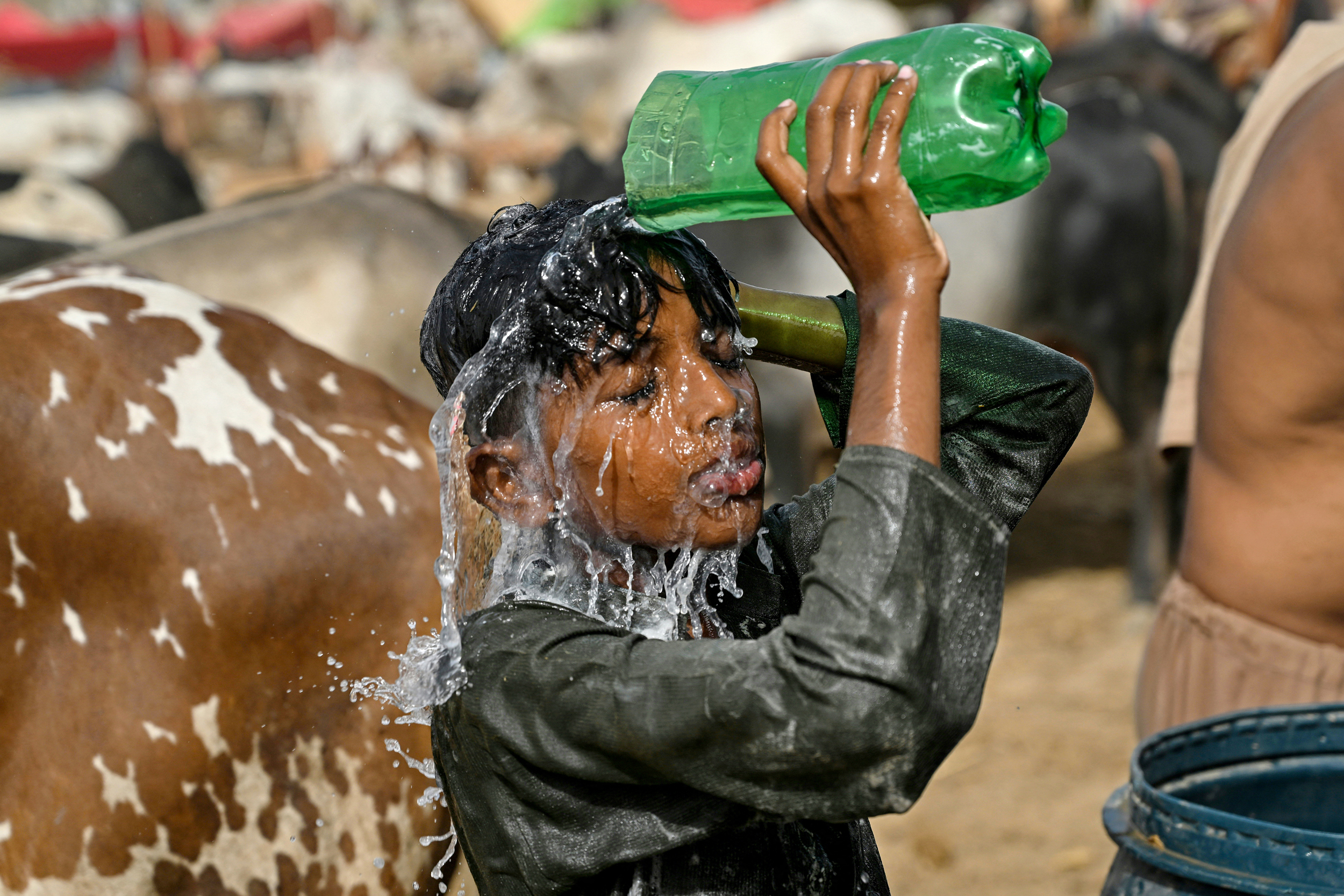
This temporary disruption to Karachi’s water supply mandates specific adjustments for its vast population. Households in areas such as Clifton, DHA, Korangi, Malir, Landhi, Shah Faisal, Gulshan, Jinnah, Chanesar, Saddar, and Lyari will experience reduced access to potable water. For students, this could mean modified daily routines, particularly impacting hygiene practices within educational institutions or at home. Professionals might face challenges in maintaining regular schedules, especially those requiring consistent water access in their daily operations.
Furthermore, the closure of the Landhi and Sherpao hydrants during this period will restrict alternative water procurement channels. Consequently, urban and rural families must prioritize efficient water utilization, implementing stringent conservation measures to navigate this temporary Karachi water shortage. This scenario underscores the intrinsic link between infrastructural maintenance and the fundamental quality of life for every Pakistani citizen, highlighting the collective responsibility in managing vital resources during periods of necessary system recalibration.

The Forward Path: A Strategic Stabilization Move for Urban Resilience
This decisive action by KWSC represents a critical stabilization move for Karachi’s water infrastructure, rather than a mere temporary fix. By addressing long-standing leakages in a primary transmission line, the corporation structurally enhances the system’s integrity. This proactive engineering ensures greater long-term efficiency and reduces the probability of more extensive, unforeseen disruptions in the future. It is a necessary investment in the city’s foundational services.
Therefore, while the immediate inconvenience of a Karachi water shortage is undeniable, this strategic repair work lays a baseline for improved urban resilience. It demonstrates a commitment to calibrated infrastructure management, which is paramount for a rapidly expanding metropolis. Citizens are advised to adopt water-saving habits not just during this period, but as a permanent practice, reinforcing collective stewardship over precious resources.









