

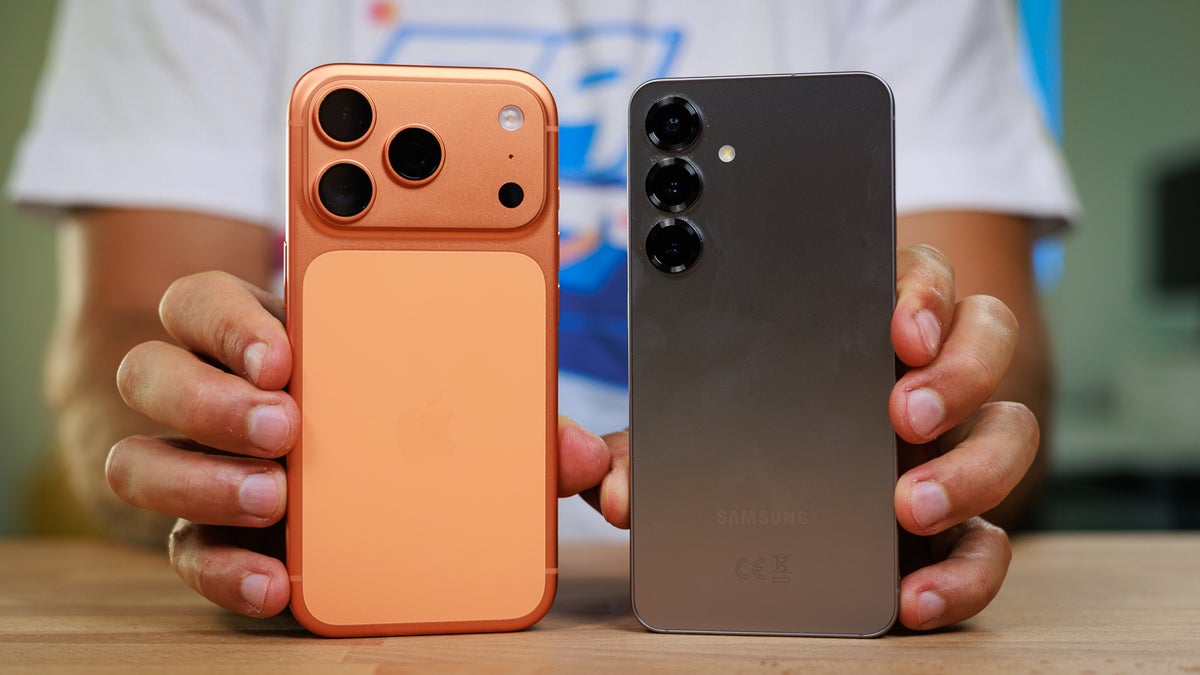
The strategic absence of oversized batteries in flagship smartphones from industry leaders like Samsung, Apple, and Google is not a design oversight. Instead, it is a calibrated adherence to critical US federal transportation regulations. This fundamental constraint, specifically the 20Wh battery limit under 49 CFR 173.185, dictates the maximum energy density for lithium-ion cells to qualify for simplified logistics. Consequently, this regulation directly impacts global smartphone innovation, influencing device specifications across the entire market. Furthermore, this regulatory framework explains why most premium devices maintain capacities around the 4000-5000 mAh range, directly affecting user experience and design paradigms globally.
Understanding the 20Wh Battery Limit: The Translation
The core of this technical constraint resides within US Federal Regulation 49 CFR 173.185, supplemented by International Air Transport Association (IATA) dangerous goods rules. Simply put, individual lithium-ion battery cells with a capacity of 20 watt-hours (Wh) or less can be transported without being classified as hazardous goods. This drastically simplifies packaging, labeling, and documentation requirements. Conversely, exceeding this 20Wh threshold elevates the classification to Class 9 dangerous goods, triggering more stringent and costly shipping protocols. Therefore, manufacturers meticulously design smartphone batteries to remain within this specific threshold, streamlining their complex global supply chains and significantly reducing logistical overhead. This precision is key for efficient distribution.

Calibrating Capacity: How the 20Wh Threshold is Precisely Calculated
To quantify this limit, manufacturers utilize a precise calculation: Watt-hours (Wh) = (milliampere-hours (mAh) × Voltage) ÷ 1000. Given that typical smartphone battery voltage fluctuates between 3.7V and 3.85V, this formula provides a direct pathway to understanding capacity constraints. For instance, a 5000 mAh battery operating at 3.85V translates to approximately 19.25Wh, which remains safely within the regulatory threshold. However, a 5500 mAh battery at the same voltage would register around 21.18Wh, thereby exceeding the permissible 20Wh limit and triggering hazardous goods protocols. This mathematical baseline is crucial for design engineers and product planners.
- 4000 mAh at 3.85V: Yields approximately 15.4Wh
- 5000 mAh at 3.85V: Yields approximately 19.25Wh
- 5500 mAh at 3.85V: Exceeds the limit at ~21.18Wh
- 6000 mAh at 3.85V: Significantly exceeds at ~23.1Wh

Socio-Economic Impact: What the 20Wh Limit Means for Pakistani Households
For the average Pakistani citizen, these technical specifications directly influence device availability, pricing, and longevity. The adherence to the 20Wh battery threshold by major brands ensures a consistent global supply chain. This consistency contributes to more stable pricing and quicker access to the latest smartphone models. While this means flagship devices might not offer the absolute largest battery capacities compared to some regional brands, it guarantees that devices are transported efficiently, reducing potential shipping delays and costs. These savings would otherwise be passed on to the consumer. For professionals and students across Pakistan, reliable access to mainstream devices is critical for connectivity, education, and economic participation.
Strategic Innovation: Bypassing the 20Wh Limit with Dual-Cell Designs
While the single-cell 20Wh constraint presents a significant challenge, ingenious engineering solutions are actively emerging. Some manufacturers, particularly those focusing on achieving larger total capacities, employ a dual-cell battery design. This structural innovation involves splitting the total battery capacity across two separate cells, each independently adhering to the 20Wh threshold. For instance, a device boasting a 6000 mAh total battery might integrate two 3000 mAh cells, thereby circumventing the single-cell regulation without compromising overall power delivery. This approach represents a strategic adaptation, allowing for enhanced power delivery while maintaining regulatory compliance and efficient logistics across international borders.

The Forward Path: A Stabilization Move for Global Tech
This development primarily represents a Stabilization Move for the global smartphone industry, rather than an immediate momentum shift. The consistent adherence to these international transportation standards underscores a collective commitment to efficient global logistics and standardized safety protocols. While this regulation constrains single-cell battery growth, it simultaneously catalyzes innovation in areas such as charging efficiency, software optimization, and sophisticated dual-cell architectural designs. This disciplined approach ensures market stability and predictable supply chains, which are vital for sustained technological advancement and equitable consumer access in dynamic regions like Pakistan. Ultimately, it reflects a mature industry prioritizing systemic efficiency over purely maximalist battery capacities.








