A calibrated decision has been made by authorities to undertake a strategic transport relocation of major public transport bus stands, truck terminals, and warehouses. Currently operating along core city corridors, these facilities will shift to the Rawalpindi Ring Road. This structural move aims to fundamentally reduce severe urban traffic congestion, catalyzing a more efficient flow within Rawalpindi and its twin city.
Systemic Overhaul: The Translation of Urban Logistics
This initiative involves key transport hubs such as Faizabad, Pirwadhai General Bus Stand, Peshawar Road, and Chungi No 26. The Rawalpindi Ring Road project, a baseline infrastructure development, is anticipated for completion in March. Consequently, officials are systematically moving transport activities out of densely populated areas prior to its full operational status. This ensures an immediate impact on urban mobility upon the Ring Road’s activation. Furthermore, over 750 acres of land are earmarked for acquisition to establish new, integrated transport and logistics zones along this critical arterial route. Passengers will access these new terminals via smaller feeder vehicles, while goods transport, specifically for Ganj Mandi, will be precisely directed to designated truck terminals on the Ring Road. This design optimizes both passenger convenience and freight movement.
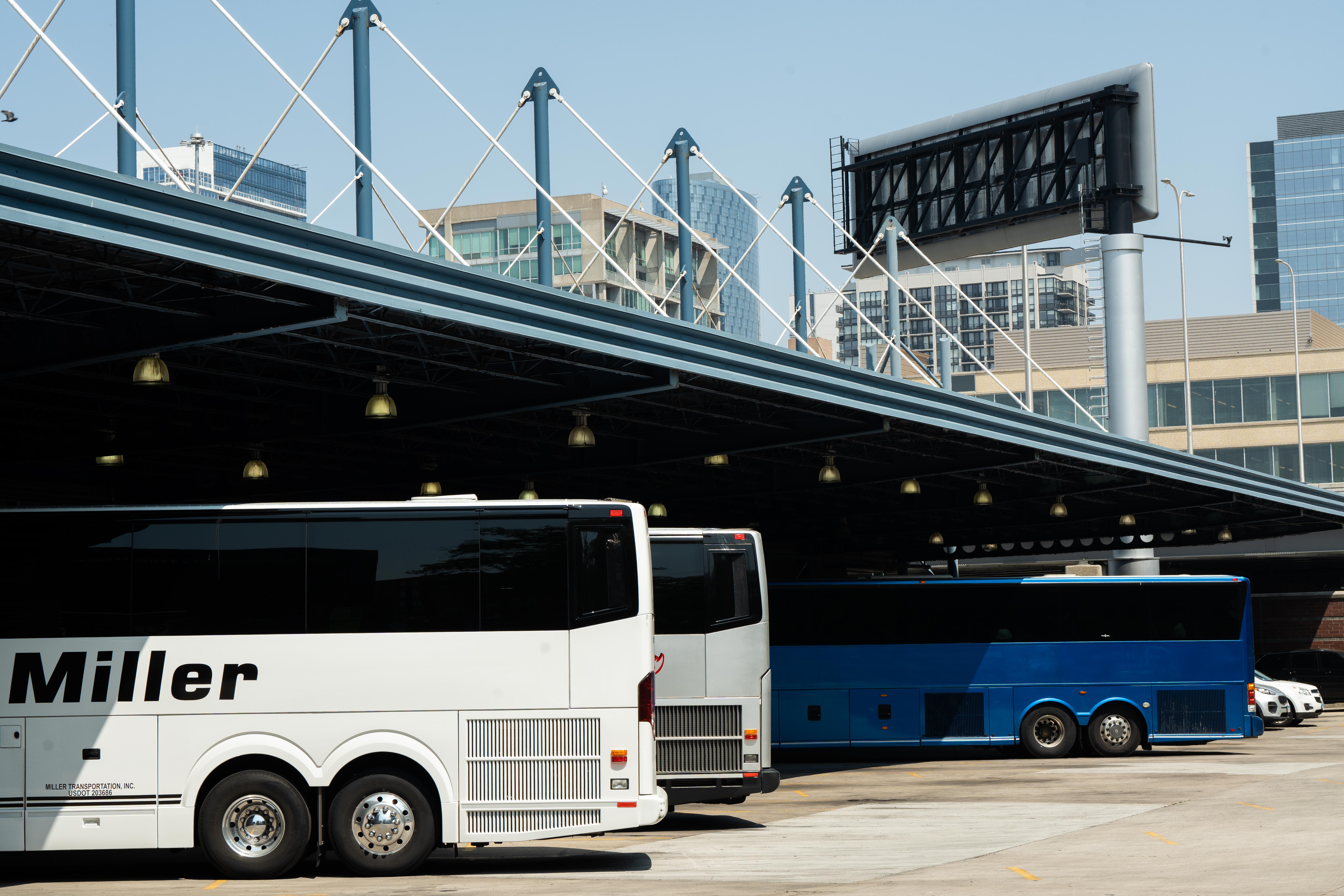
Currently, heavy public and goods transport from all four provinces, Gilgit-Baltistan, and Azad Kashmir enters Rawalpindi through the motorway and GT Road, creating heavy congestion and damaging inner-city roads. This relocation strategy represents a core step in mitigating these systemic issues.

The Socio-Economic Impact: Enhancing Daily Life in Pakistan
The current operational model, where heavy public and goods transport from all four provinces, Gilgit-Baltistan, and Azad Kashmir converges into Rawalpindi via the motorway and GT Road, generates substantial congestion. This not only impedes travel but also causes significant damage to inner-city roads. By implementing this strategic transport relocation, the daily commute for professionals and students will be demonstrably improved. Less time spent in traffic translates directly into increased productivity and enhanced quality of life. Households in both urban and rural Pakistan will experience more reliable and predictable goods delivery, leading to stabilized market access and potentially reduced logistics costs. This development represents a crucial step towards modernizing Pakistan’s urban infrastructure, yielding tangible benefits for every citizen.

Moreover, reducing the presence of heavy vehicles within city limits can lead to cleaner urban air and a safer pedestrian environment. This directly impacts public health and the overall livability of Rawalpindi and Islamabad.

The Forward Path: A Momentum Shift for Urban Efficiency
This coordinated decision, finalized with consensus from the Rawalpindi Development Authority, Regional Transport Authority, traffic police, Rawalpindi Municipal Corporation, and other stakeholders, signifies a clear momentum shift. It moves beyond incremental adjustments to a structural reformation of urban logistics. This proactive approach to urban traffic management and infrastructure planning will significantly ease pressure on city and cantonment areas, paving the way for further calibrated development. It establishes a robust framework for sustainable growth and a more organized future for Pakistan’s major urban centers. Such strategic interventions are vital for national advancement and system efficiency.
Key Benefits of this Strategic Relocation:
- Reduced Congestion: Significant decrease in inner-city traffic.
- Improved Air Quality: Less idling traffic means cleaner urban air.
- Enhanced Infrastructure Lifespan: Reduced wear and tear on inner-city roads.
- Streamlined Logistics: More efficient movement of goods and passengers.
- Economic Catalyst: Facilitates regional trade and investment.