Strategic Preservation: The Islamabad Memorial Relocation Initiative
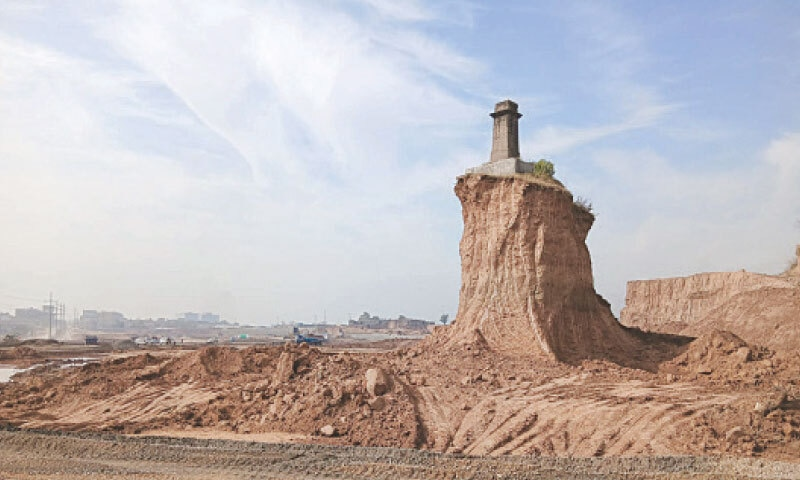
National advancement calibrates with the preservation of our rich heritage. Consequently, the Capital Development Authority (CDA) has confirmed the Islamabad memorial relocation of a significant World War I-era monument. This strategic move, part of a comprehensive conservation plan, aims to enhance preservation and public accessibility. It directly counters initial reports of demolition, underscoring a calibrated approach to heritage management within Islamabad’s evolving urban landscape.
The Translation: Deconstructing the Conservation Protocol
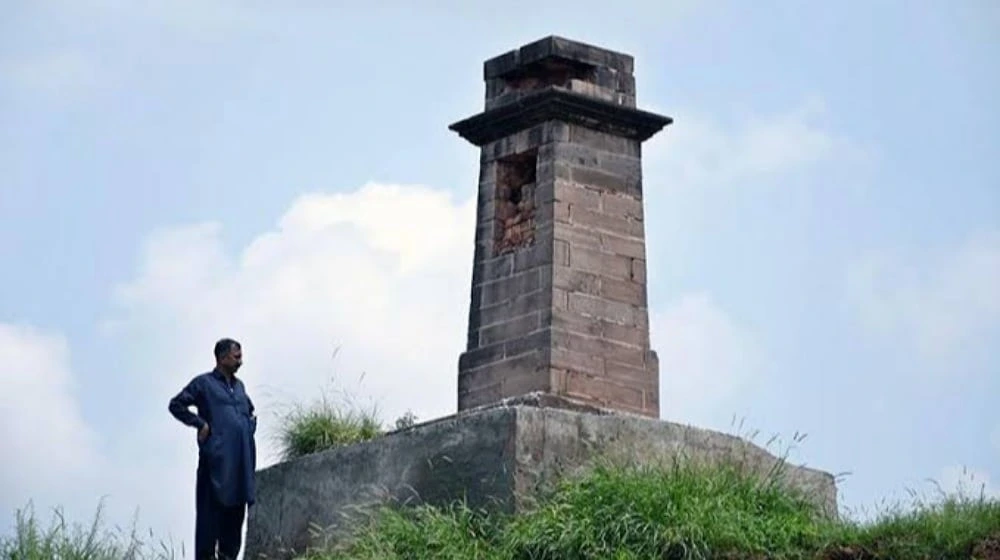
Initial claims suggested the World War I memorial’s demolition. However, the CDA clarified that this impression is inaccurate. Instead, the authority is strategically shifting the monument to a more suitable, secure location with enhanced public access. This precise undertaking operates under established conservation principles. Furthermore, officials meticulously dismantled the memorial following a formal conservation protocol. Original bricks and materials were preserved to facilitate its exact reconstruction. This systematic approach ensures the structure’s historical integrity remains intact, despite its physical repositioning. The monument’s condition had deteriorated, making relocation essential for stronger protection and long-term upkeep.
The Socio-Economic Impact: Heritage Access for Future Generations
How does the Islamabad memorial relocation impact the daily life of a Pakistani citizen? This initiative directly benefits students, professionals, and families across urban and rural Pakistan by safeguarding a tangible piece of national history. Firstly, relocating the memorial to a more accessible and secure roundabout near Rehara village enhances its visibility. This allows for greater public engagement and educational opportunities. Consequently, citizens can more easily connect with the legacy of Subedar Ghulam Ali, a decorated World War I veteran. This move transforms a less visible asset into a prominent educational landmark, fostering historical awareness and national pride among younger generations.
Structural Integrity: Adhering to Global Conservation Standards
The CDA robustly defended its actions. It emphasized that while the memorial was not on the Department of Archaeology’s official heritage list, extensive consultations occurred with relevant departments. All legal requirements were strictly fulfilled. Notably, the authority secured consent from the memorial’s legal heir; the deceased’s great-grandson provided an affidavit and a no-objection certificate. Furthermore, the CDA cited global precedents for relocating historic structures due to development needs. Examples include the Cape Hatteras Lighthouse in the United States and similar projects in the United Kingdom. This demonstrates a disciplined adherence to international conservation practices.
The Forward Path: A Stabilization Move for Heritage Management
This development represents a Stabilization Move for Pakistan’s heritage management. The precise and structured approach taken by the CDA demonstrates a commitment to preserving historical assets while navigating urban development imperatives. It establishes a robust baseline for future conservation efforts. Consequently, this prevents the permanent loss of historical value. The initiative ensures that monuments like Subedar Ghulam Ali’s memorial remain respected components of Pakistan’s historical narrative. It reflects a maturing institutional capacity for strategic cultural preservation. This carefully executed relocation sets a vital precedent for future heritage projects.