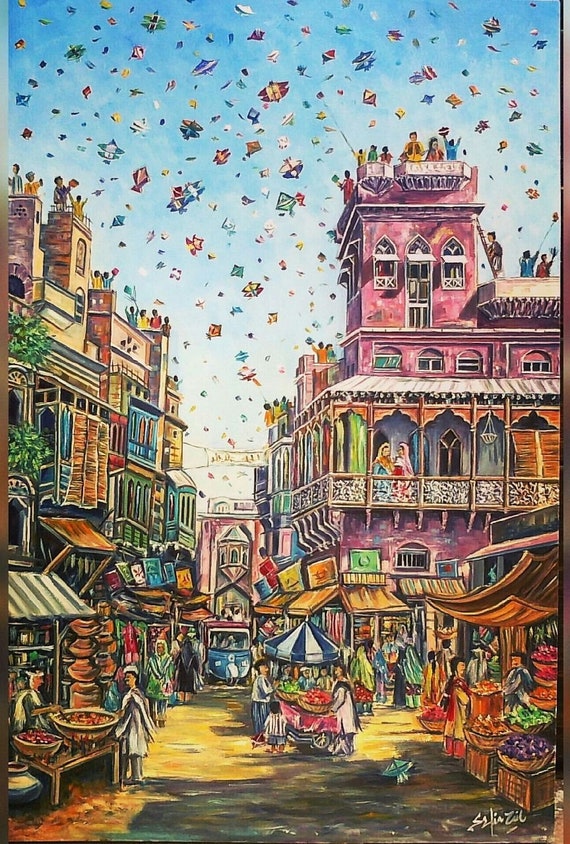
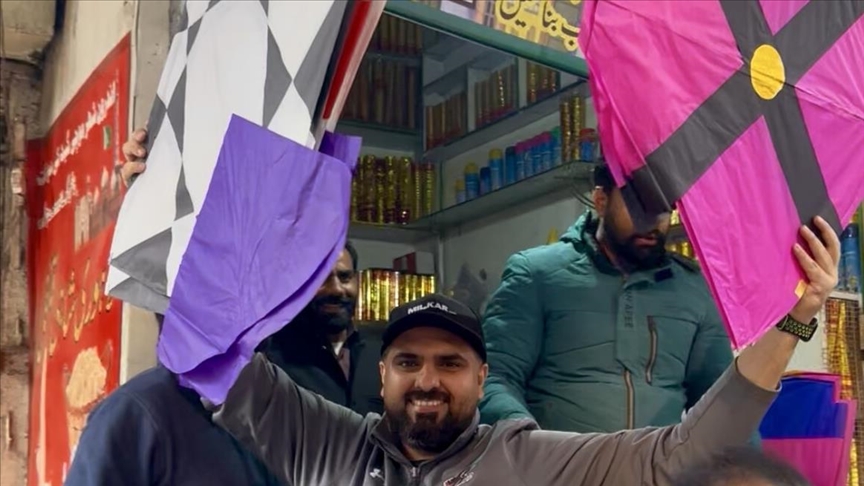
Karachi is strategically positioned to host its own Basant festival, following Lahore’s successful revival of the spring celebration. Mayor Murtaza Wahab has articulated a precise plan to organize a kite-flying event, initiating the Karachi Basant Festival to mark the arrival of spring. This move aims to channel public enthusiasm into a structured cultural event, differentiating it explicitly from any political connotations and emphasizing a purely recreational purpose.
The Translation: Deconstructing the Basant Initiative
Mayor Wahab’s announcement translates a popular cultural desire into a tangible municipal project. He confirmed that Karachi will stage a Basant mela in the coming weeks, with Bagh Ibn-e-Qasim and Benazir Bhutto Park under consideration as primary venues. This initiative aims to reclaim Basant as a traditional festival, carefully separating it from past political associations. Consequently, the city administration seeks to foster a vibrant public atmosphere, urging a cessation of “conspiratorial elements” that create unnecessary hurdles for community celebration. The objective is calibrated public engagement, devoid of political entanglement.
Strategic Revival of a Cultural Legacy
The decision to host the Karachi Basant Festival represents a structural effort to revive a cherished cultural legacy. The Mayor meticulously clarified that he referred to the traditional festival, not the “kite” symbol associated with any political entity. Furthermore, he described the latter as “already cut off,” underscoring the administration’s commitment to depoliticize the event. This measured approach ensures that the focus remains on spring festivities and community cohesion, thereby strengthening the social fabric through shared cultural experiences.
The Socio-Economic Impact: Catalyzing Urban Vibrancy
This initiative profoundly impacts the daily life of a Pakistani citizen by enhancing urban vibrancy and fostering community spirit. For students and families, the Basant mela offers a much-needed recreational outlet, creating opportunities for shared experiences and cultural appreciation. Professionals may observe a minor boost in local commerce, particularly for vendors of kites and traditional foods. In contrast to the perceived federal neglect of Karachi’s development, as asserted by Mayor Wahab, this local initiative demonstrates a commitment to improving the quality of life for urban and potentially rural households through accessible public events.
Fostering Community and Economic Vibrancy
The implementation of this Basant festival is a catalyst for localized economic activity. Small businesses involved in kite manufacturing, food stalls, and event logistics will experience increased demand. The estimated Rs. 46 billion KMC spending and Rs. 300 billion allocated by the Sindh government for Karachi-related development works, as highlighted by the Mayor, indicate a structural investment in urban infrastructure that complements such cultural initiatives. This direct investment, alongside cultural events, offers tangible benefits, translating into improved public spaces and increased opportunities for residents.
The “Forward Path”: Calibrated Progress for Urban Development
This development represents a Momentum Shift. The city administration’s proactive stance in organizing the Karachi Basant Festival, despite political pressures and criticisms regarding federal government spending, signals a determined effort to enhance urban life. Mayor Wahab’s call for broader cooperation, emphasizing action over “political point-scoring,” indicates a strategic orientation towards systemic improvements. The acknowledgement by some within MQM regarding the need to strengthen local government institutions further corroborates this trajectory. Therefore, this move is a deliberate step towards a more self-reliant and culturally rich urban environment.