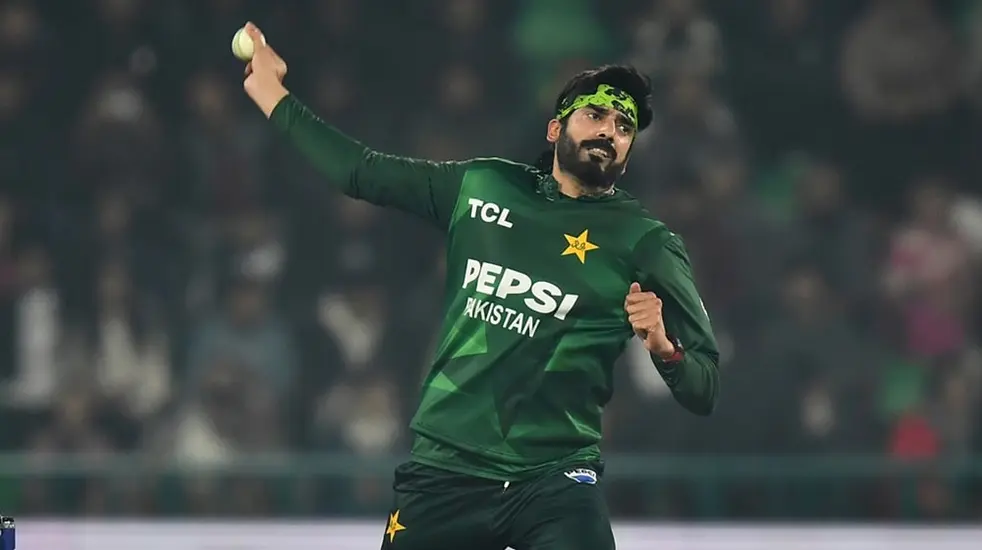
Architectural Decision: Navigating the Pakistan Cricket Boycott
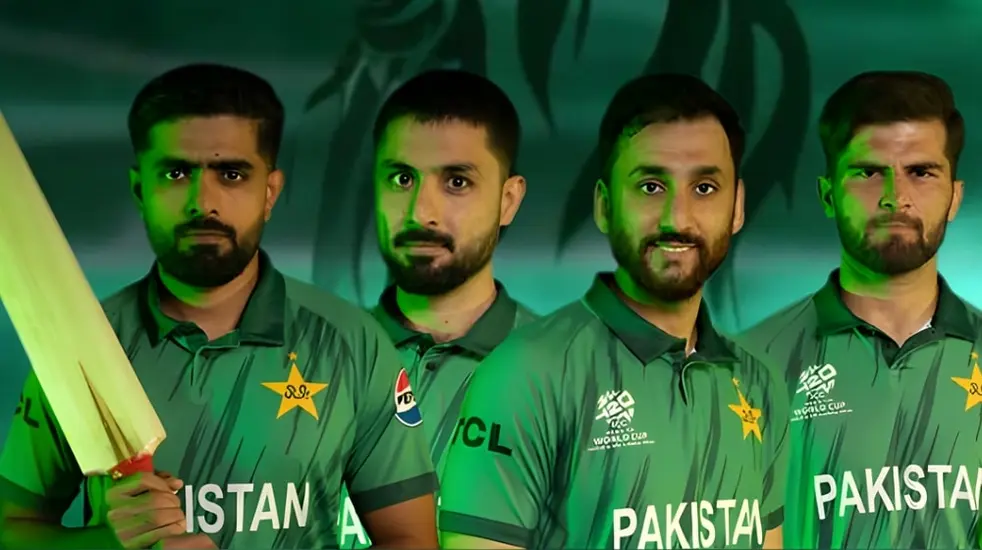
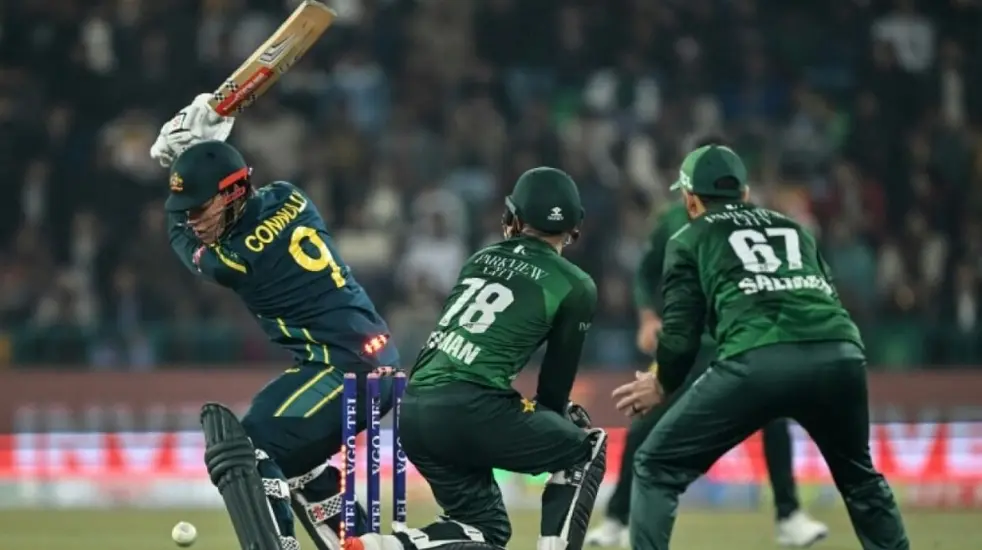
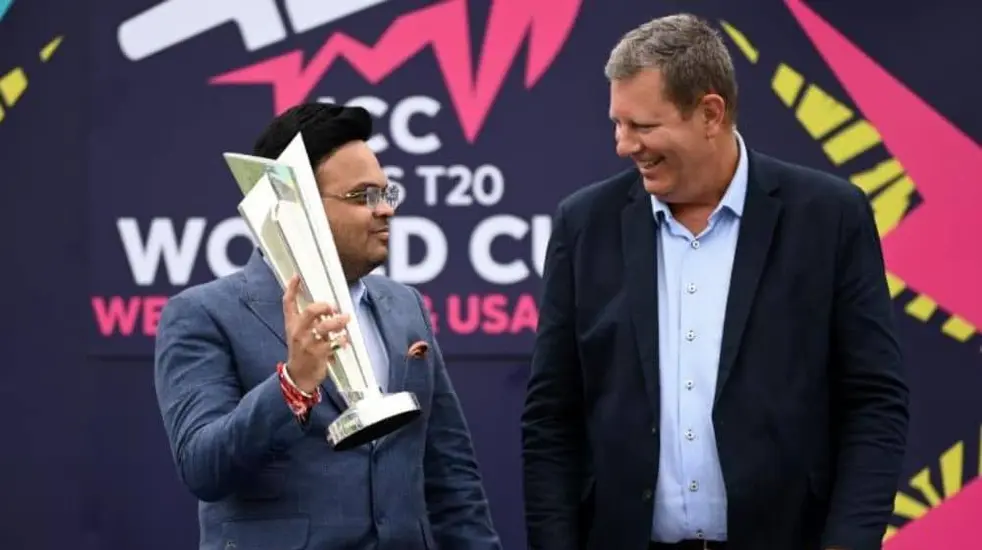
The operational framework of regional sports diplomacy faces a critical juncture. Sri Lanka Cricket (SLC) has formally petitioned the Pakistan Cricket Board (PCB) to reassess reports concerning a potential Pakistan Cricket Boycott of the high-stakes India vs. Pakistan fixture. This match is slated for February 15, 2026, within Sri Lanka’s hosting responsibilities for the ICC T20 World Cup 2026. Consequently, this strategic request underscores the calibrated planning involved in major international sporting events and the profound implications of any deviation from established commitments.
The Translation: Decoding the Call for Reciprocity
Shammi Silva, President of SLC, has initiated direct correspondence with the PCB following media indications that Pakistan, while expected to participate in the tournament, might specifically abstain from the Colombo match. Furthermore, Sri Lanka eagerly anticipates its role as a host nation, emphasizing that all core arrangements for allocated matches are finalized. These encompass detailed commercial planning, streamlined operational logistics, stringent security protocols, comprehensive hospitality preparations, and efficient ticketing systems. Such meticulous foresight ensures the baseline for a successful tournament; thus, any disruption carries significant weight.
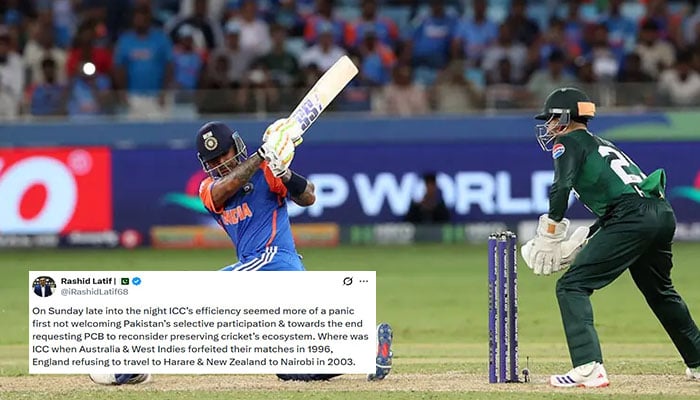
The Socio-Economic Impact: Calibrating Daily Life
A potential Pakistan Cricket Boycott would cascade far beyond the stadium perimeter, directly influencing the daily life of a Pakistani citizen. Financially, non-participation in such a marquee event would induce substantial exposure, disrupting commercial commitments linked to broadcasting and sponsorship. Moreover, the ripple effect would significantly impact tourism-linked activities. For instance, reports from Newswire indicate that Sri Lanka’s tourism and hotel sector has already experienced booking cancellations in Colombo, altering occupancy projections during the World Cup period. Professionals in hospitality and travel, both in Sri Lanka and for potential Pakistani visitors, face economic uncertainty. This situation demonstrates how macro-level sporting decisions directly recalibrate micro-level economic stability for households and businesses.
The Forward Path: A Stabilization Move or Momentum Shift?
This development primarily represents a Stabilization Move. SLC’s appeal is a calculated effort to preserve the structural integrity of the ICC T20 World Cup 2026 and mitigate potential economic and diplomatic fallout. The board robustly argued for a spirit of reciprocity, recalling Sri Lanka’s past tours to Pakistan under challenging security circumstances. They further reiterated full assurances regarding security, neutrality, and professionalism for all hosted matches. The core objective is to restore confidence among stakeholders and ensure the tournament’s uninterrupted delivery, rather than initiating a new phase of progress. This situation calls for a precise, diplomatic resolution to maintain regional sporting coherence.
Operational Framework: Addressing the Economic and Diplomatic Baseline
SLC explicitly warned that any non-participation in this high-profile fixture, such as a potential Pakistan Cricket Boycott, would trigger wide-reaching consequences. These include significant financial exposure for host nation commitments and commercial partners, alongside substantial disruption. Furthermore, the correspondence highlighted that implications extend beyond Sri Lanka Cricket, affecting a broad network of stakeholders, including the Government of Sri Lanka. The successful execution of such a large-scale event relies on mutual confidence and meticulous planning across all involved entities, emphasizing the need for strategic collaboration.
A Call for Reciprocity: Strengthening Bilateral Sporting Structures
Central to SLC’s plea is the principle of sportsmanship and mutual respect. The board specifically referenced its historical cooperation with Pakistan, particularly recalling instances where the Sri Lankan team toured Pakistan during periods of serious security concerns when other teams were reluctant. This precedent, SLC asserts, reflects good faith decisions that should now be reciprocated. In closing, the board urged the PCB to meticulously reconsider any decision to boycott the February 15 fixture, requesting Pakistan’s full participation for the collective benefit of the tournament, its stakeholders, and the global cricket fanbase.