
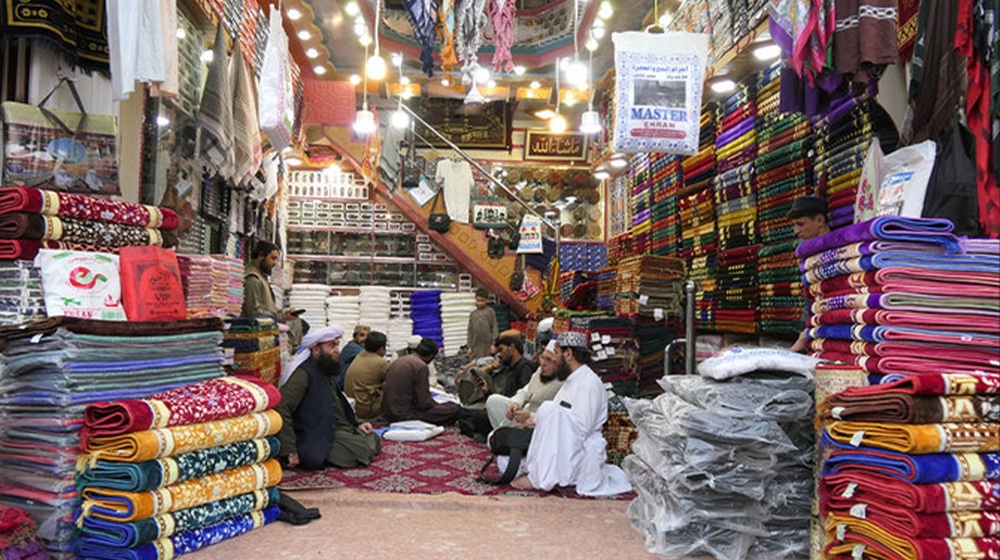
A systemic challenge to market integrity has surfaced in Karachi, involving fake FBR and PSQCA officials harassing traders. This alarming development highlights a critical need for enhanced oversight and calibrated enforcement. Recently, reports detailed impersonators conducting bogus raids in commercial centers like Jodia Bazaar, systematically intimidating and extorting legitimate businesses. This situation necessitates a rapid and decisive structural response to safeguard the economic backbone of the city and ensure reliable Karachi business protection.
The Federal Board of Revenue (FBR) and the Pakistan Standards and Quality Control Authority (PSQCA) are pivotal institutions. They enforce tax compliance and product quality standards, respectively. However, their authority is now being deliberately misused. Affected shopkeepers from Karachi’s Jodia Bazaar submitted a formal complaint to the FBR Chairman, detailing sophisticated impersonation tactics and severe harassment during these unauthorized operations.
Understanding the Mechanism of Impersonation
The Translation: Deconstructing Illicit Operations
On January 31st, a group of 10 to 12 individuals reportedly stormed Sohail Qadri’s shop in Jodia Bazaar. They aggressively damaged merchandise and demanded production certificates, falsely accusing him of selling unregistered products. These individuals explicitly claimed affiliations with FBR and PSQCA. However, they failed to present any official identification or valid authorization upon request. Instead, they resorted to threats.

Furthermore, three members of the group identified themselves as police personnel from Mitha Dar Police Station. They entered the premises without a search warrant or legal authority, displaying unprofessional conduct. This incident strongly indicates that these individuals were impersonators. They were leveraging the names of state institutions for personal gain and to defame legitimate businesses. The FBR has since denied authorizing such joint operations, and PSQCA has initiated an internal inquiry.
The Structural Impact on Pakistan’s Economy
The Socio-Economic Impact: Daily Life and Business Confidence
This organized trader harassment Karachi directly undermines the confidence of Pakistan’s business community. For an average Pakistani citizen, especially small and medium enterprise (SME) owners, such incidents create an environment of fear and uncertainty. Entrepreneurs, students aspiring to start businesses, and established professionals face increased operational risks. Consequently, this dampens investment and stifles economic growth in urban centers like Karachi, which are vital economic hubs.
The alleged involvement of a business rival, already under investigation for sales tax evasion, adds another layer of complexity. This scenario suggests that unscrupulous elements are weaponizing state institutions against competitors. This erodes trust in governmental bodies designed to protect, not persecute, economic actors. Thus, protecting traders from such illegitimate activities is a baseline requirement for economic stability.
Charting a Forward Path for Business Security
The "Forward Path": A Momentum Shift Towards Integrity
The comprehensive inquiry urged by the affected traders, along with the FBR’s denial and PSQCA’s internal investigation, represents a crucial step. This development signals a potential Momentum Shift towards reinforcing market integrity. A proactive and transparent investigation, followed by stringent legal action against impersonators, is imperative. This will establish a clear precedent, deterring future misuse of state authority and safeguarding honest businesses.

Ultimately, a system must be calibrated to prevent such vulnerabilities. This includes enhancing official identification protocols and streamlining public complaint mechanisms. Therefore, this incident serves as a catalyst for structural reforms. It reinforces the commitment to a secure and predictable business environment, vital for Pakistan’s national advancement.








