Optimizing Pakistan’s T20 World Cup Plan: Strategic Framework Unveiled
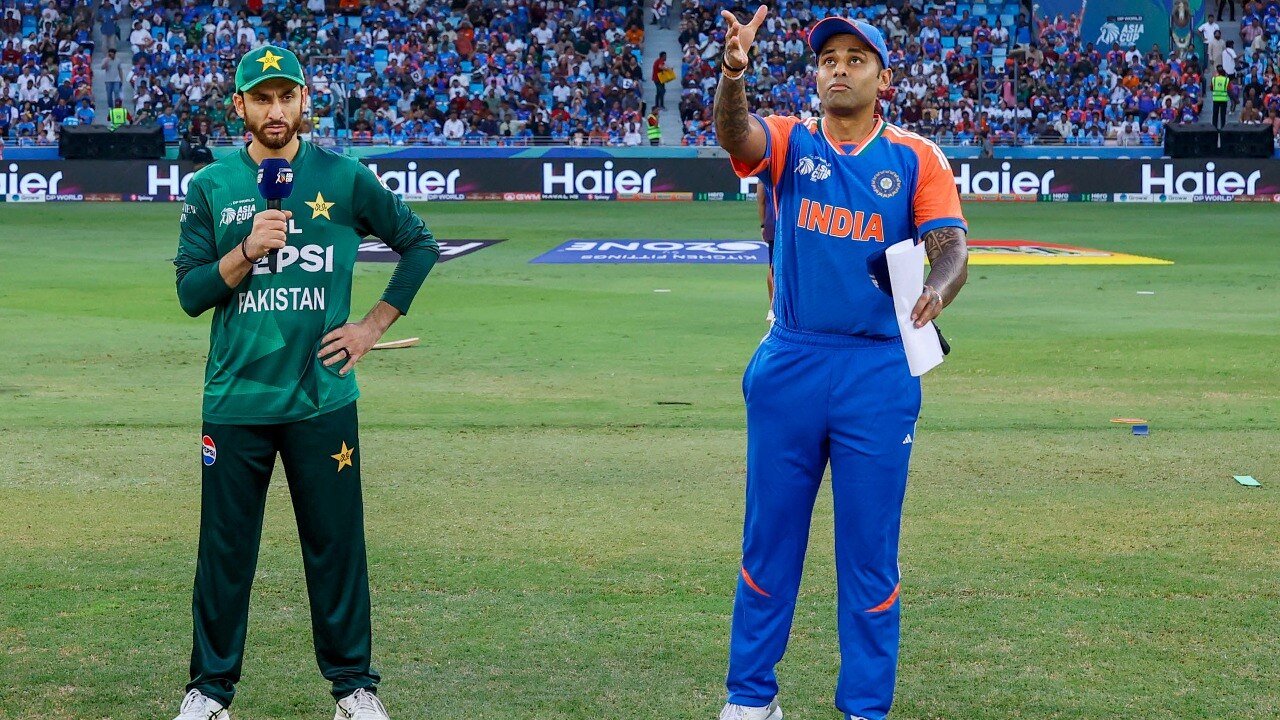
In a critical strategic development, Pakistan’s T20 World Cup plan mandates government consultation should a knockout stage match against India materialize. Captain Salman Agha confirmed this protocol on Thursday, underscoring the calibrated approach to an event unfolding amidst heightened political sensitivities. This decision reflects a structured governance framework ensuring national alignment in high-stakes international sporting engagements. Consequently, the team’s focus remains on performance while navigating complex geopolitical directives.
The Translation: Navigating Geo-Political Imperatives in Sport
This directive signifies that while the team prepares rigorously for athletic competition, external policy parameters retain precedence. Historically, such government interventions have impacted tournament participation, as evidenced by Pakistan’s earlier refusal to engage co-hosts India in their Group A fixture. This structural oversight ensures that national interest and diplomatic considerations are integrated into sporting decisions, providing a baseline for engagement rather than leaving such high-profile encounters solely to athletic discretion. Furthermore, the unfortunate removal of Bangladesh from the competition, followed by Pakistan’s support for shifting matches to Sri Lanka, illustrates the persistent geopolitical undercurrents shaping the tournament landscape.
The Socio-Economic Impact: Beyond the Boundary Lines
For the average Pakistani citizen, particularly students and young professionals who follow cricket passionately, these governmental decisions translate into a nuanced experience. While the sporting rivalry is a source of immense national pride, the absence of bilateral matches for over a decade, punctuated by such tournament-specific directives, subtly influences public perception of international relations. A potential clash with India, managed under government advice, ensures that national sentiment is channeled through official diplomatic channels, potentially mitigating spontaneous reactions. Conversely, the forfeited points and impact on net run rate, while a sporting setback, are implicitly accepted as a necessary consequence of a broader strategic posture, affecting the team’s pathway but affirming a national position. Thus, the daily life is touched by these decisions not just through sports, but also through the projection of national policy on a global stage.
The Forward Path: A Stabilization Move with Latent Momentum
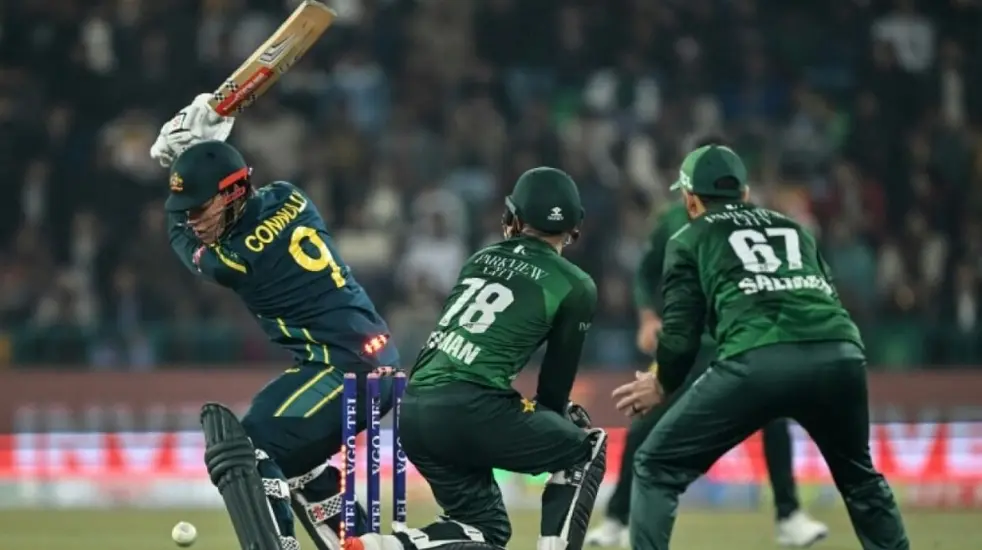
This development represents a Stabilization Move rather than a direct Momentum Shift. By establishing a clear protocol for a potential India clash, the government is introducing a predictable, calibrated mechanism for managing high-stakes encounters. This ensures systemic stability in decision-making, preventing ad-hoc reactions. While it underscores the political complexities that continue to influence sports, it also allows the team to focus on its immediate performance with a clear understanding of the overarching framework. Pakistan’s recent 3-0 series whitewash against Australia demonstrates a robust internal momentum. Therefore, with a clear strategic directive on external challenges, the team can effectively channel its athletic energy towards achieving tournament objectives, leveraging its current excellent form in Sri Lanka.
Calibrating Tournament Strategy: Navigating Forfeitures and Momentum
The decision to forfeit the group match against India carried quantifiable consequences, specifically the loss of two crucial points and a detrimental impact on the team’s net run rate. This precise calculation underscores the tactical trade-offs inherent in geopolitical sporting decisions. Furthermore, the inherent variability of rain-affected matches could compound qualification challenges, demanding heightened performance in remaining fixtures. Captain Agha acknowledged this tight margin for error, stating, “We understand the margin for error is very small, but we can’t control the weather. We are focused on playing good cricket, regardless of conditions.” This resilient mindset is fundamental for navigating high-pressure tournament scenarios.
Despite these external pressures, Pakistan arrives with significant internal momentum. The team recently completed a commanding 3-0 home series whitewash against Australia, signaling a period of peak operational efficiency. Agha articulated this confidence, stating, “We’ve been playing excellent cricket. We haven’t lost a series since the Asia Cup last year. Everything is coming together, and we’re confident.” The team’s familiarity with Sri Lankan conditions, where all their tournament matches will be hosted, provides an additional strategic advantage, acting as a force multiplier for their established performance baseline.