
Calibrating Accountability: Investigating Grain Discrepancies in Sindh
The structural integrity of Pakistan’s food supply chain is undergoing a critical audit following the precise discovery of thousands of wheat bags missing from a Sindh warehouse. This incident necessitates immediate system recalibration and robust accountability measures to fortify national food security.
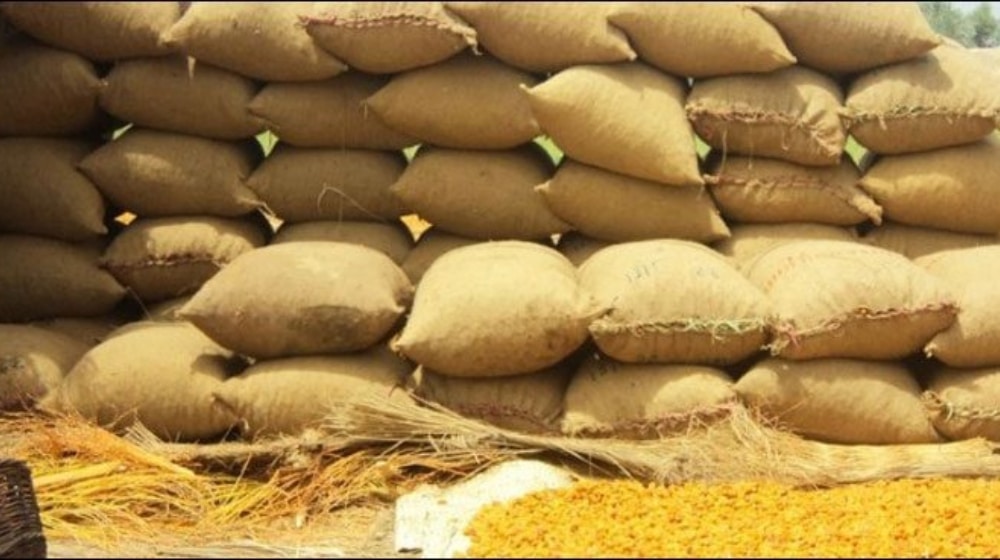
A significant lapse in inventory control has been identified in Sindh, where 64,000 wheat sacks mysteriously disappeared from the Bolhari warehouse in Jamshoro, triggering an anti-corruption investigation. This critical shortfall of wheat bags missing not only represents a substantial economic loss but also underscores systemic vulnerabilities within food distribution frameworks, demanding a rigorous and transparent response to protect national reserves.
The Translation (Clear Context)
Understanding the Systemic Breach in Grain Management
This incident transcends a simple theft; it represents a profound breach in Pakistan’s agricultural supply chain integrity. Specifically, 64,000 wheat sacks, designated for public consumption or strategic reserves, vanished from the Bolhari warehouse in Jamshoro district. Consequently, the Anti-Corruption Department initiated a case against three implicated employees, signifying a direct acknowledgment of potential internal complicity. Furthermore, the Food Department’s internal discord, with officials accusing one another and allegations surfacing against former warehouse in-charge Ali Raza Brohi for demanding bribes and Deputy Director Qamar-ud-Din Memon for seeking millions in kickbacks, highlights a deeply entrenched issue of governance and oversight. This pattern is not isolated, as evidenced by similar disappearances of 47,000 wheat sacks in Khairpur in 2024 and thousands of metric tons in Naushehro Feroze in 2022, indicating a recurring, structural flaw.
The Socio-Economic Impact
Direct Repercussions for Pakistani Citizens
The disappearance of such a substantial quantity of wheat directly impacts the daily lives of Pakistani citizens, particularly in Sindh. Firstly, it threatens food security, potentially leading to artificial scarcity and price inflation for essential commodities like flour. This burden disproportionately affects low-income households and students, compromising their nutritional intake and economic stability. Secondly, the financial losses, such as the Rs800 million value associated with the 2024 Khairpur incident, are ultimately borne by the taxpayer. This prevents crucial public funds from being invested in education, healthcare, or infrastructure, thus retarding overall national advancement. Consequently, public trust in government institutions erodes, fostering cynicism rather than collaborative progress.
The “Forward Path” (Opinion)
A Call for Strategic Recalibration
This development signals a “Stabilization Move” rather than a “Momentum Shift.” While the anti-corruption investigation is a necessary step, the recurring nature of these incidents — the latest being thousands of wheat bags missing — indicates a chronic systemic vulnerability rather than an isolated anomaly. For true progress, Pakistan requires a comprehensive, technology-driven overhaul of its grain storage and distribution logistics. Implementing real-time inventory tracking, robust digital audit trails, and transparent accountability frameworks are not merely suggestions but strategic imperatives. This structural recalibration would minimize human error and malfeasance, transforming these recurring crises into opportunities for systemic optimization and establishing a new baseline of efficiency and integrity.








