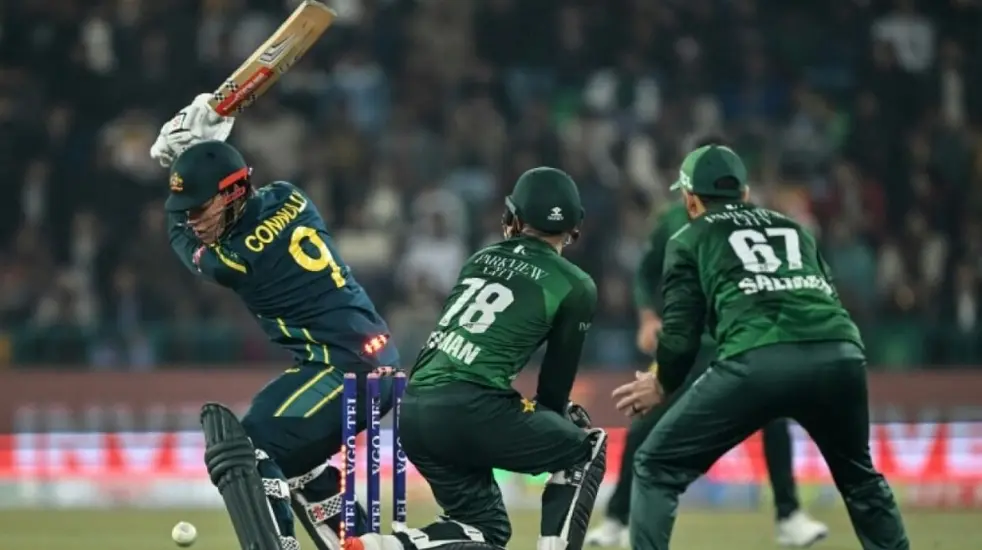
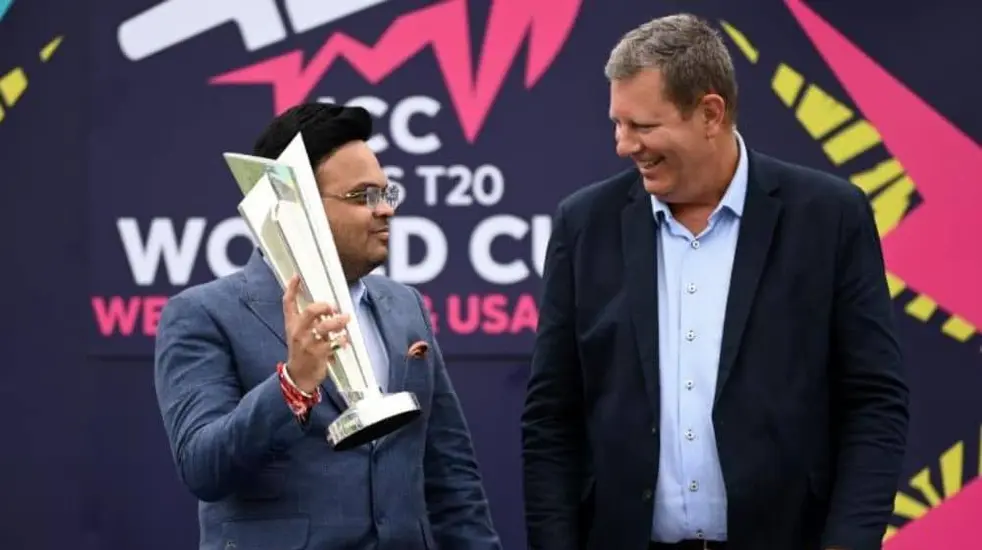
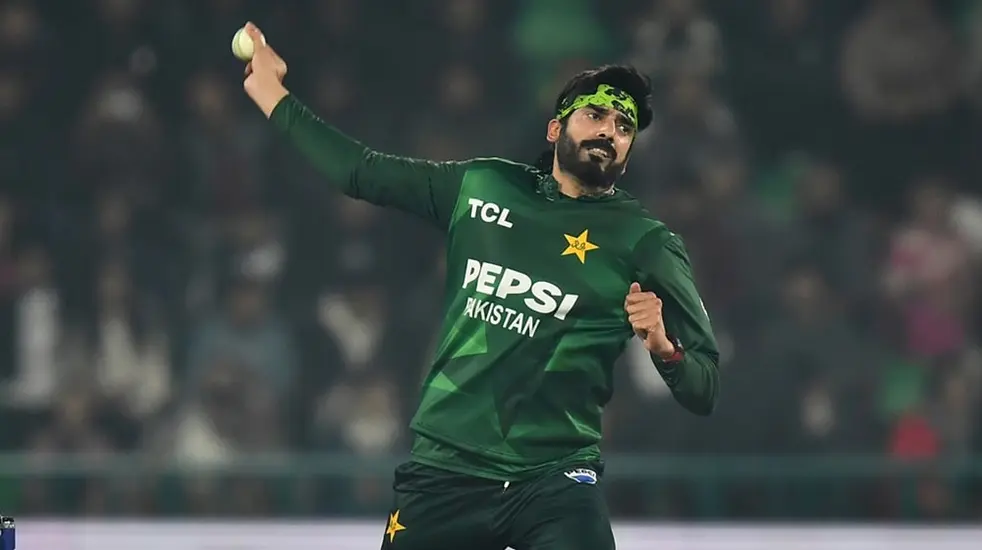
In a strategic recalibration of its global cricket posture, the Pakistan Cricket Board (PCB) has made a definitive decision: it will not market or sell PSL India media rights for the upcoming 11th edition of the Pakistan Super League. This move is structurally aligned with broader assertive stances taken by the PCB on international cricket governance, including participation in the ICC Men’s T20 World Cup 2026, yet with a firm condition against playing its group-stage fixture versus India. Consequently, this policy aims to exert calibrated financial pressure on the International Cricket Council (ICC), signalling a new phase of strategic autonomy for Pakistani cricket.
Understanding the Strategic Baseline: PCB’s India Media Rights Decision
The PCB’s recent declaration to abstain from selling Pakistan Super League (PSL) broadcast and media rights within the Indian market is not merely a commercial decision; it represents a significant structural shift in its engagement with global cricket institutions. Specifically, this means that Indian broadcasters will not acquire rights to air PSL matches, impacting viewership and advertising revenues from that region for the league’s 11th edition, scheduled from March 26 to May 3. Furthermore, the players’ auction on February 11 will proceed with this new strategic parameter firmly in place. This calibrated approach follows intensive consultations with government leadership, including Prime Minister Shehbaz Sharif, emphasizing a unified national stance on cricket diplomacy and financial leverage.
Socio-Economic Impact: What This Means for Pakistani Citizens
This decision, while appearing to be high-level cricket policy, has direct implications for the daily life of a Pakistani citizen, particularly within the nation’s burgeoning digital economy and cultural landscape. For students and young professionals, this reassertion of sovereignty in sports management can foster a sense of national pride and a demand for indigenous digital content platforms, potentially accelerating local streaming and broadcast innovation. Moreover, households across urban and rural Pakistan, who avidly follow PSL, will observe the league primarily through local or internationally accessible Pakistani channels, reinforcing domestic media consumption. Essentially, this move champions self-reliance, channelling resources and focus towards optimizing the league’s value within its own strategic sphere.

The Forward Path: A Momentum Shift for Pakistan Cricket
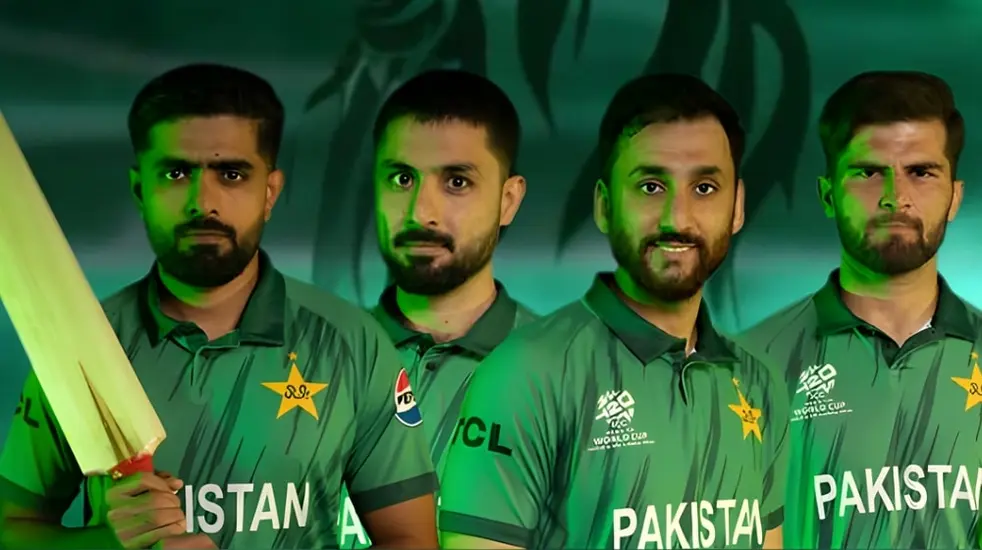
From an architectural perspective, this development unequivocally signifies a Momentum Shift rather than a mere stabilization move. The PCB’s stance, articulated by Chairman Mohsin Naqvi, critiques the alleged “double standards” and influence of the Board of Control for Cricket in India (BCCI) within the ICC. By actively boycotting its T20 World Cup group-stage fixture against India and strategically withholding PSL media rights, Pakistan is employing precise financial and diplomatic instruments. Consequently, these actions are designed to recalibrate the power dynamics within global cricket, establishing a more equitable baseline for future negotiations and positioning Pakistan as a proactive agent in shaping its cricketing destiny.
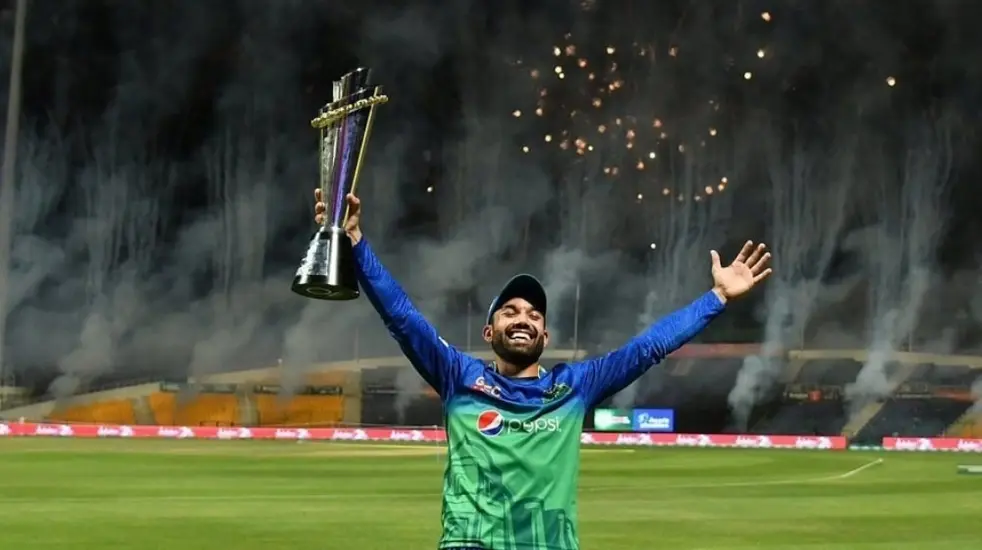
As the PSL calendar is now firmly established and the players’ auction date approaches, franchises are strategically focused on finalising their squads. This upcoming 11th season is poised to be a significant edition, with heightened national focus and a strong emphasis on the league’s intrinsic value, independent of external market pressures. Therefore, the strategic clarity demonstrated by the PCB sets a precise tone for the competition ahead.