
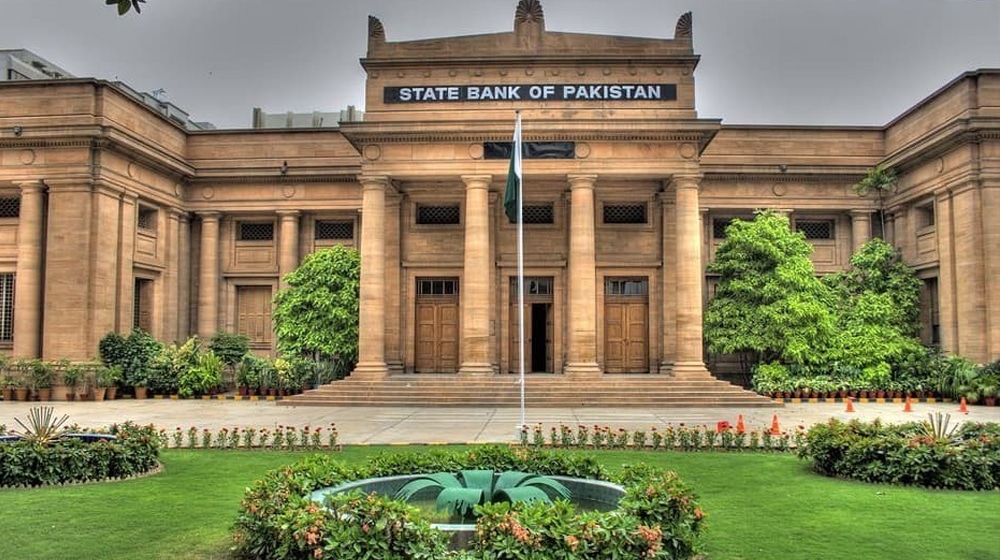
Pakistan’s legislative assembly projects a strategic SBP interest rate drop to single digits by June 2026. This precise fiscal recalibration aims to unblock critical business financing Pakistan, which is currently hampered by elevated rates and limited access for approximately 95% of the business sector. Consequently, this anticipated reduction is a foundational step to divert capital from bank deposits into more productive economic investments, fostering robust national advancement.
Calibrating Capital: The SBP Rate’s Economic Imperative
During a recent Senate Standing Committee on Commerce meeting, lawmakers expressed a clear expectation: the State Bank of Pakistan’s policy rate must enter single-digit territory by June 2026. This projection translates into a deliberate effort to lower the cost of borrowing across the nation. Currently, the prohibitive 18.1% return on bank deposits incentivizes investors to park funds rather than inject them into vital productive sectors, stunting economic expansion. Federal Minister for Commerce Jam Kamal Khan explicitly highlighted that a staggering 95% of Pakistan’s business community lacks formal financial access. Therefore, ensuring an SBP interest rate drop is structurally crucial for stimulating private investment.

Navigating IMF Constraints and Policy Realignment
Furthermore, Minister Khan clarified that the government operates within strict parameters set by the International Monetary Fund (IMF) program. This framework mandates equitable treatment for all economic sectors and actively discourages specific incentives. The IMF has even raised objections concerning special economic zones, permitting subsidies only when directly linked to increased national revenues. This structural constraint limits Pakistan’s policy space, necessitating innovative fiscal approaches to foster growth within predefined global financial agreements. Achieving a significant SBP interest rate drop within these parameters demands precise economic engineering.
Precision Impact: How Rate Reductions Transform Daily Life
A tangible SBP interest rate drop directly translates into immediate benefits for Pakistani citizens, professionals, and households. For students aspiring to launch startups, lower interest rates mean more accessible seed funding, fostering innovation and job creation. Small and Medium Enterprises (SMEs), which are the backbone of our economy, will gain crucial access to affordable capital. This enables them to expand operations, employ more individuals, and enhance their contribution to the GDP. Consequently, families will experience reduced costs for essential consumer loans, improving their purchasing power and overall quality of life.
Catalyzing SME Growth and Export Capacity
Promoting SMEs is a strategic imperative, as Pakistan’s export industries critically depend on imported raw materials. To mitigate these dependencies, the government has implemented recent relief measures and prime ministerial announcements specifically targeting export support and industrial pressure reduction. Significantly, discussions are underway with provincial governments to reduce or abolish the infrastructure cess. Simultaneously, the committee recommends providing relief in income tax rates. These calibrated adjustments aim to bolster local production, enhance export competitiveness, and ultimately create a more robust economic environment for every citizen.

Structural Advancement: Momentum Shift or Stabilization Move?
This development represents a clear Momentum Shift for Pakistan’s economic trajectory. The proactive push for an SBP interest rate drop to single digits by 2026, coupled with strategic reforms for SMEs and export sectors, indicates a decisive move beyond mere stabilization. While IMF program constraints define the operational perimeter, the internal drive to enhance business financing Pakistan and streamline trade mechanisms signals a fundamental reorientation towards growth. This structural recalibration is not just about maintenance; it is about establishing new baselines for sustainable national prosperity and market efficiency.
Streamlining Cross-Border Trade with Iran
Bilateral trade with Iran currently stands at $3.12 billion, comprising $2.42 billion in imports and over $700 million in exports. However, the non-implementation of a crucial Statutory Regulatory Order (SRO) on trade facilitation with Iran presents a significant hurdle. Committee members expressed strong dissatisfaction, alleging that the Federal Board of Revenue (FBR) actively creates obstacles. Senator Saleem Mandviwala highlighted that the SRO, developed over a year, remains stalled due to FBR resistance. The committee has demanded FBR Chairman Rashid Mahmood Langrial’s presence to explain these delays, cautioning that excessive enforcement can severely damage industry and business activity. This underscores the critical need for systemic efficiency.

Overcoming Banking Challenges in Regional Trade
Officials from the Ministry of Commerce reported signing memorandums of understanding (MoUs) worth $100 million during the recent Pakistan-Iran Business Forum. While petroleum trade with Iran remains under prohibition, commerce in other commodities like rice and quinoa has demonstrably increased. Nevertheless, the absence of formal banking channels continues to pose a major structural challenge to maximizing this bilateral trade potential. Overcoming these financial infrastructure gaps is pivotal for unlocking full regional economic integration and ensuring calibrated trade flows. Furthermore, this requires a strategic, multi-agency approach.









