
Understanding the Imperative: Addressing Spousal Abuse in Pakistan
The nation faces a critical juncture regarding marital rights and domestic safety. A recent incident in Multan starkly highlights the ongoing challenge of Spousal Abuse Pakistan, where a woman endured severe violence after checking her husband’s private messages. Simultaneously, the Supreme Court has issued a definitive ruling on Haq Mehr, emphasizing the binding nature of marital contracts. These concurrent developments necessitate a calibrated examination of legal frameworks and societal norms to ensure justice and protection for all citizens.
The Multan Incident: A Baseline for Intervention
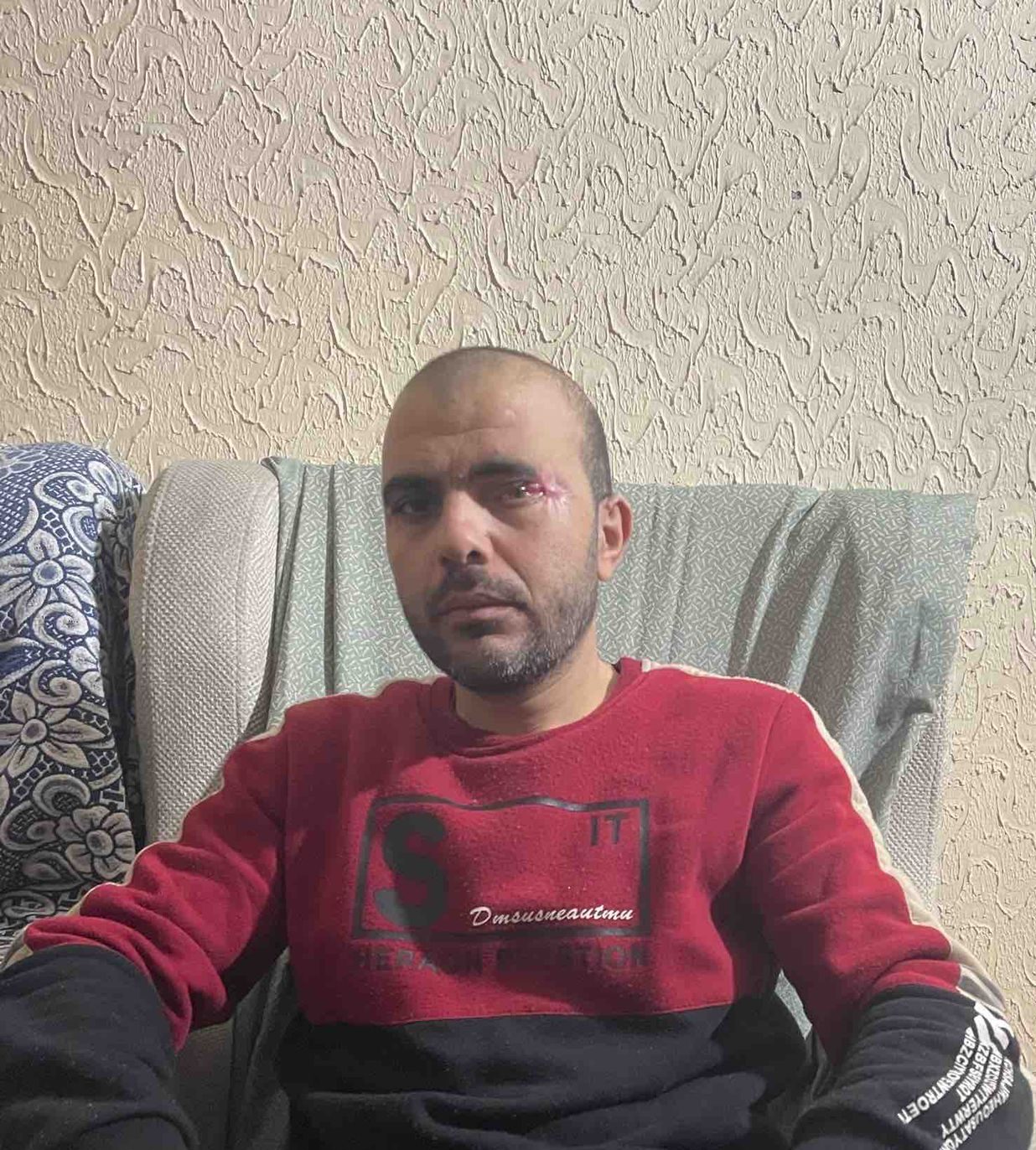
In Multan’s Qadirabad area, a domestic dispute escalated into a violent assault. The husband’s reaction to his wife accessing his WhatsApp led to significant physical harm, resulting in her hospitalization. Police promptly registered a case at the Women Police Station, commencing legal proceedings. This event underscores the urgent need for robust mechanisms to counteract domestic violence and protect vulnerable individuals.
The Translation: Deconstructing Legal Precedents and Social Realities
The Multan incident, while deeply concerning, is a direct manifestation of a broader systemic issue. It translates the abstract concept of domestic violence into a tangible reality impacting individuals at the household level. Police action signals a legal response, yet the prevalence of such events necessitates preventative strategies.
Furthermore, the Supreme Court’s ruling on Haq Mehr provides a critical structural clarification. The court affirmed that a husband must fulfill the Haq Mehr as stipulated in the Nikahnama, including all specific items. This decision effectively seals marital contracts, preventing any post-nuptial alterations by judicial bodies. It reinforces the sanctity and enforceability of initial agreements.

The Socio-Economic Impact: Calibrating Daily Life for Pakistani Citizens
These developments hold significant implications for the daily lives of Pakistani citizens. For urban and rural households, the Multan case serves as a stark reminder of the persistent threat of domestic violence, urging families to establish safer domestic environments. It implicitly encourages victims to report incidents, knowing that legal recourse is available.
Professionals and students are directly impacted by the Supreme Court’s Haq Mehr ruling. It provides clear legal parameters for marital financial agreements, promoting transparency and reducing potential disputes. This judicial clarity can strengthen marital institutions by ensuring the equitable distribution of assets as agreed upon at the time of marriage. Consequently, it stabilizes family legal structures, reducing the emotional and financial burden of litigation.

The “Forward Path”: A Structural Momentum Shift
This dual narrative — the immediate response to domestic violence and the judicial reinforcement of marital contracts — represents a structural momentum shift. The swift police action in Multan establishes a baseline for accountability, signaling that acts of violence will not be tolerated. Simultaneously, the Supreme Court’s definitive stance on Haq Mehr provides critical clarity within family law.
Collectively, these actions serve as a catalyst for a more just and efficient legal system. They not only address immediate grievances but also lay a foundational blueprint for preventing future disputes and protecting individual rights within the marital institution. This trajectory positions Pakistan towards a more equitable and structurally sound domestic legal landscape.