Optimizing National Energy Policy: Understanding the Diesel Price Hike
Pakistan’s economic calibration requires precise adjustments. The federal government has initiated a diesel price hike, increasing high-speed diesel by a calibrated Rs. 11.30 per litre, while strategically maintaining petrol prices for the next fortnight. This structural adjustment, effective February 1, 2026, sets the new diesel rate at Rs. 268.38 per litre, a critical change following recommendations from the Oil and Gas Regulatory Authority (OGRA). This move has far-reaching implications across vital sectors, particularly transportation, agriculture, and industrial operations.
The Translation: Deconstructing Fuel Price Dynamics

Understanding fuel price adjustments requires clarity. Essentially, the Ministry of Energy’s notification signifies a direct increase in the operational cost for industries heavily reliant on high-speed diesel. This encompasses freight transport, agricultural machinery, and various manufacturing processes. Consequently, businesses often pass these escalated costs onto consumers, manifesting as broader inflationary pressures. In contrast, the decision to keep motor spirit (petrol) at Rs. 253.17 per litre aims to mitigate immediate impacts on private vehicle owners, balancing fiscal requirements with public relief. These revised prices will remain active for 15 days, ensuring regular market alignment through subsequent reviews.
The Socio-Economic Impact: Calibrating Daily Life
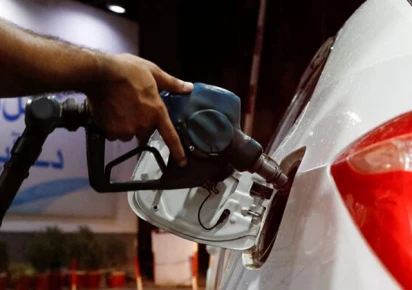
How does this diesel price hike affect the average Pakistani citizen? For students and professionals commuting via public transport, a surge in bus fares is a potential consequence. Furthermore, rural households and farmers will likely face higher costs for essential goods due to increased transportation expenses, alongside elevated operational costs for irrigation and harvesting equipment. Urban consumers might observe a marginal increase in food prices as supply chains adjust to the new fuel baseline. Therefore, while petrol users experience temporary stability, the widespread utility of diesel ensures a systemic impact on living expenses across both urban and rural Pakistan.
The “Forward Path”: A Strategic Stabilization Move
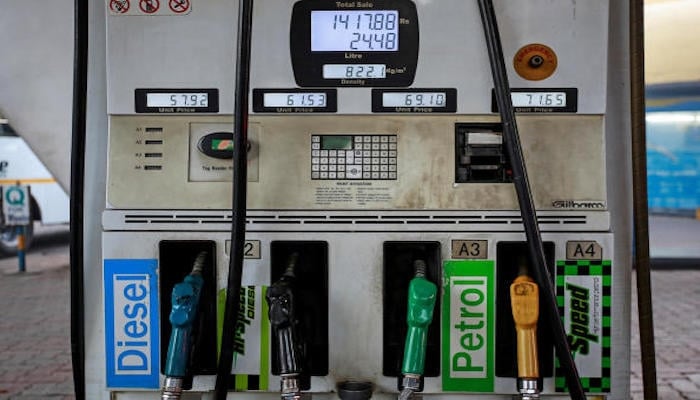
From an analytical standpoint, this development represents a Stabilization Move. The government is responding to prevailing market conditions and fiscal imperatives, rather than initiating a broad economic expansion. This adjustment aims to ensure the financial viability of energy supply chains and align domestic prices with international benchmarks. Structurally, such decisions are critical for maintaining economic equilibrium, even if they introduce short-term inflationary challenges. Moving forward, sustained vigilance over global oil markets and calibrated domestic policies will be essential to foster genuine economic momentum and predictability for Pakistan’s energy sector. Precision in these fiscal tools is paramount for long-term national advancement.