Architecting Economic Competitiveness: Strategic Industrial Power Relief
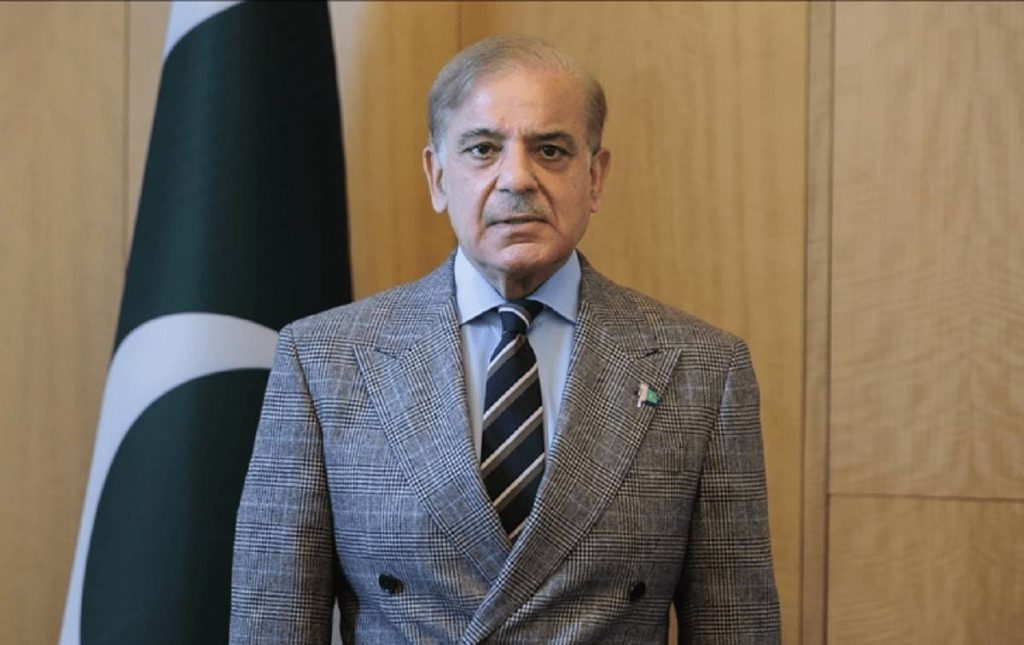
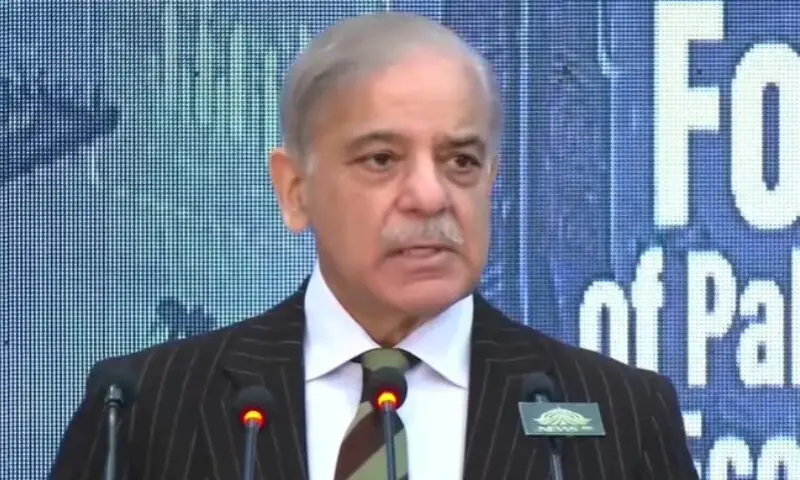
In a decisive move to calibrate national economic growth, the federal government has sanctioned a significant reduction of approximately Rs. 4.04 per unit in electricity costs for industrial consumers. This pivotal initiative, directly approved by Prime Minister Shehbaz Sharif, systematically removes cross-subsidy charges from power bills. Consequently, this industrial power relief is engineered to enhance the competitiveness and operational efficiency of Pakistan’s manufacturing and export sectors.
The Translation: Deconstructing Power Tariff Adjustments
Federal Minister for Power Division, Sardar Awais Ahmed Khan Leghari, articulated the structural revision. Under the Prime Minister’s directive, the government systematically eliminated a long-standing burden on industrial electricity tariffs. Specifically, the cross-subsidy component, which was previously at Rs. 8.90 per unit, has now been strategically reduced to zero. This precise adjustment ensures that industries directly benefit from lower wheeling charges.
Consequently, manufacturers will experience an average reduction of Rs. 4.04 per unit in their overall electricity expenditure. Officials confirmed that this reduction stems from the removal of the cross-subsidy component within wheeling charges, thereby lowering the cost of using the grid for power transfer. The exact impact will be calibrated based on each industrial consumer’s specific category and consumption profile.
The Socio-Economic Impact: Catalyzing Daily Life and National Output
This strategic intervention directly impacts the daily economic landscape of Pakistani citizens. For professionals and workers in urban and rural industrial zones, reduced energy input costs translate into enhanced business viability. Furthermore, it supports job retention and potentially stimulates new employment opportunities within the manufacturing sector. Households, while not directly benefiting from this specific industrial tariff cut, gain from a more robust national economy, driven by increased industrial activity and export potential.

The Power Division projects that this calibrated move will significantly lower energy input costs for both export-oriented and domestic industries. This enhancement improves their competitiveness in global markets and robustly encourages increased industrial production. With this measure, electricity for industries is projected to be approximately 11.5 cents per unit, providing critical, measurable support to Pakistan’s manufacturing and export sectors.
The Forward Path: A Momentum Shift for Industrial Progress
This development undeniably represents a Momentum Shift. The precise targeting of cross-subsidy charges signifies a structural improvement in energy policy, moving beyond incremental adjustments. By providing direct, tangible cost relief, the government is acting as a catalyst for industrial growth. This decision demonstrates a disciplined approach to fostering a more competitive economic environment, setting a new baseline for future industrial policy. Such strategic interventions are crucial for Pakistan’s long-term industrialization objectives.
Looking ahead, integrating sustainable energy sources and optimizing grid efficiency will further amplify these gains. This foundational industrial power relief creates a stable platform for subsequent innovations and investments in advanced manufacturing techniques. It is a calculated step towards a more resilient and efficient industrial ecosystem.