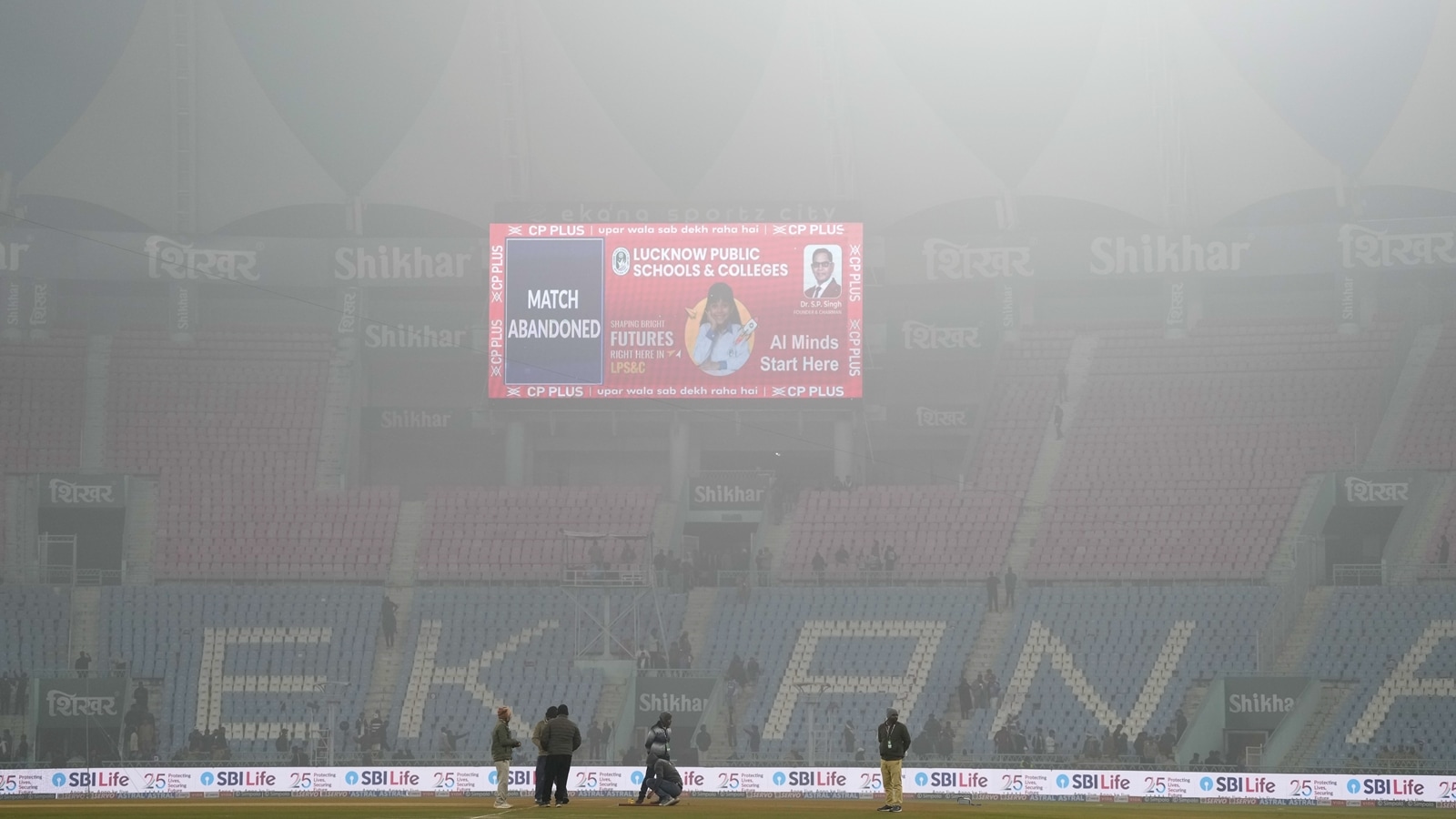
The operational integrity of major global events, such as the T20 World Cup 2026, necessitates stringent environmental and health baselines. Recent reports indicate a critical challenge in India air quality, compelling cricketers to utilize protective masks during domestic matches. Furthermore, an emergent Nipah virus outbreak introduces an additional layer of complexity, demanding a calibrated public health response days before the tournament’s commencement. Consequently, these dual health imperatives now cast significant scrutiny upon the host nation’s preparedness and systemic resilience.
Systemic Challenges: India Air Quality and Public Health Protocols
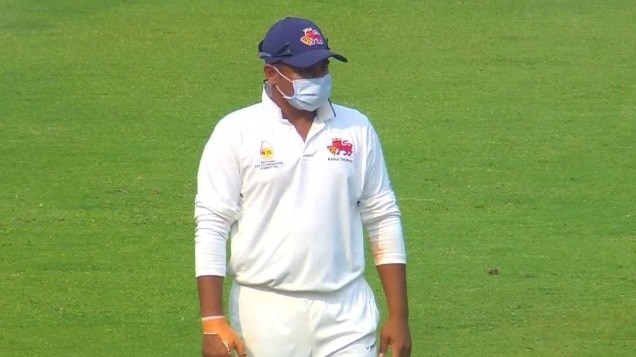
The worsening atmospheric conditions across India have directly impacted professional sports. Notably, athletes engaged in a Ranji Trophy fixture between Mumbai and Delhi wore masks to mitigate exposure to pollutants. The specific venue, Mumbai’s Bandra Kurla Complex, experienced exacerbated air pollution due to proximate construction activities, making playing conditions visibly and functionally uncomfortable. For instance, Indian batters Sarfaraz Khan, Musheer Khan, and Himanshu Singh were observed adopting these protective measures during play.
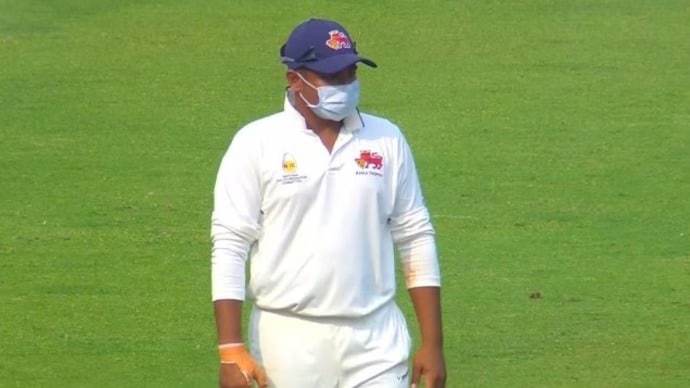
Mumbai, a key host city for the T20 World Cup 2026, including a critical semi-final, recorded an unsatisfactory Air Quality Index (AQI) of 160. This metric signals moderate to unhealthy air quality, posing potential health risks, particularly during strenuous physical activity. Subsequently, the situation underscores the urgent need for robust environmental management strategies, ensuring player and spectator safety during international competitions. Additionally, this directly affects the projected operational efficiency of event logistics.
The Translation: Navigating India Air Quality and Health Imperatives
For the average Pakistani citizen, and particularly for those planning to attend or engage with the T20 World Cup, these environmental and health reports translate into direct implications for personal safety and logistical planning. Specifically, the necessity for athletes to wear masks due to compromised India air quality highlights a fundamental issue in urban infrastructure and environmental regulation. This is not merely a sports headline; it reflects broader urban challenges that can impede daily life and public gatherings. Consequently, understanding the AQI levels and local health advisories becomes paramount for personal decision-making.
Furthermore, the Nipah virus outbreak in West Bengal introduces a distinct biological threat. This highly infectious disease necessitates immediate containment, including quarantining over 100 individuals after five confirmed cases. Tragically, two nurses and a doctor are among those who tested positive, with reports suggesting critical conditions for two nurses in Kolkata. This signifies a direct risk to public health, requiring rigorous hygiene practices and vigilance for all travelers, reinforcing the importance of international health guidelines.
Socio-Economic Impact: Daily Life and Event Viability
The confluence of severe air pollution and a contagious virus outbreak poses a multifaceted challenge to Pakistanis, whether as professionals, students, or households. For urban populations, consistently poor air quality translates into elevated health risks, particularly respiratory ailments, impacting productivity and healthcare costs. Transition words like “consequently” emphasize the direct link between environmental conditions and societal well-being. Moreover, the visibility of athletes wearing masks serves as a stark reminder of these pervasive environmental stressors.

Economically, the dual threat jeopardizes the viability and projected success of the T20 World Cup. A significant international event like this relies on seamless logistics and robust public health assurances. Should health concerns escalate, attendance rates could decline, impacting tourism revenue, local businesses, and Pakistan’s perception as a secure travel destination. For instance, the fear of contagion or adverse health effects could deter fans and officials alike, potentially leading to substantial financial repercussions for the host cities.

The “Forward Path”: A Stabilization Move for Systemic Resilience
This evolving situation unequivocally represents a Stabilization Move rather than a Momentum Shift. While the prospect of hosting a major tournament typically indicates forward momentum, these emergent health and environmental crises demand immediate and sustained corrective action. Therefore, the priority must be on reinforcing existing public health infrastructure and implementing stringent environmental monitoring. The current scenario requires a structural re-evaluation of event planning, ensuring that baseline safety protocols are not just observed but rigorously enforced.
Furthermore, transparency in reporting and proactive communication with international stakeholders are essential. This strategy is critical to maintaining confidence in the host nation’s capacity to manage complex logistical and health challenges effectively. A strategic, data-driven approach to mitigating these risks will be instrumental in safeguarding both public health and the integrity of the T20 World Cup 2026.