

Optimizing Medical Education: Calibrated PMDC Tuition Fees
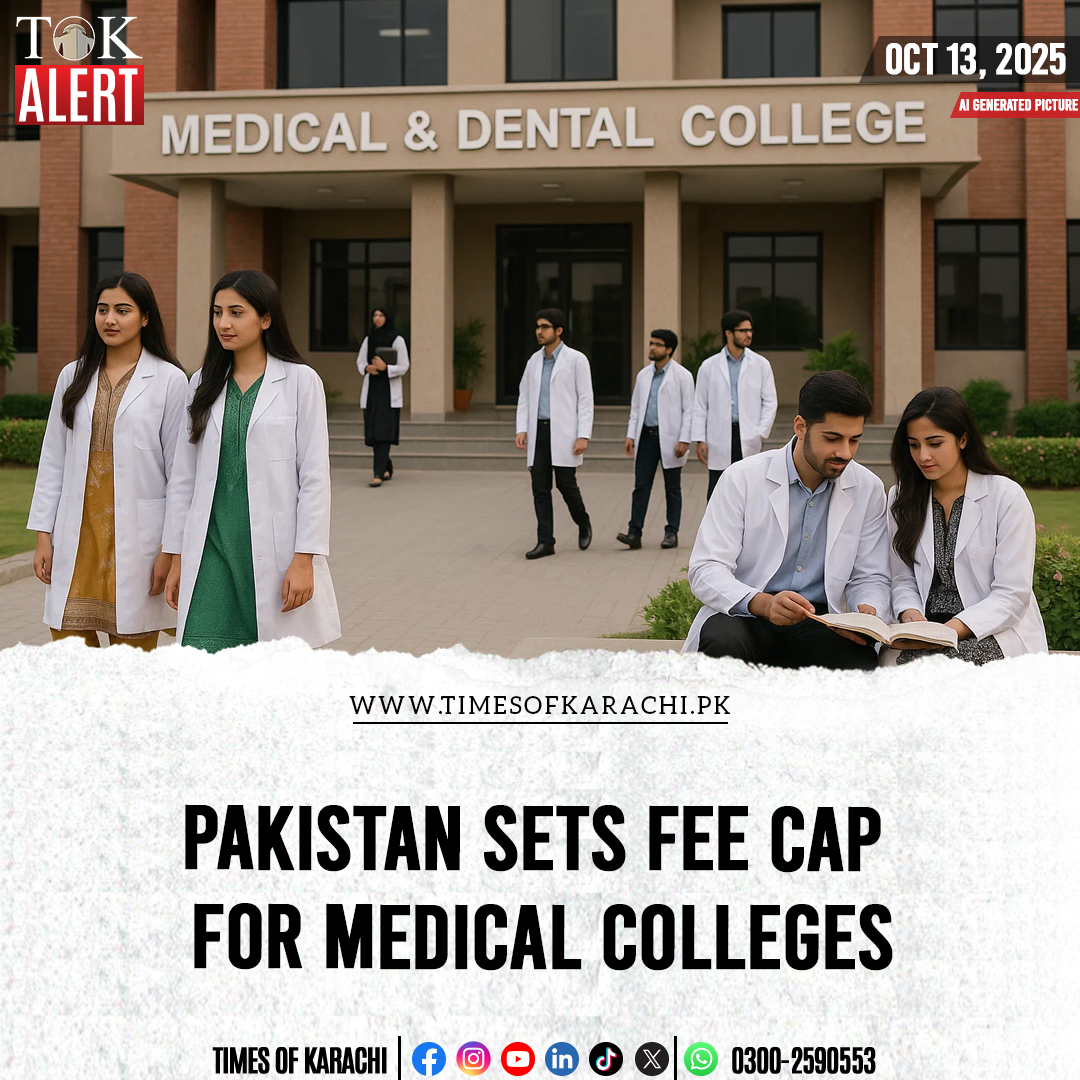
In a strategic move to standardize educational costs and enhance access, the Pakistan Medical and Dental Council (PMDC) has implemented a stringent cap on PMDC tuition fees for MBBS and BDS programs within private medical and dental colleges across Pakistan. This pivotal decision, stemming from recommendations by a Prime Minister-constituted committee, establishes a critical baseline for financial accessibility in higher medical education, directly impacting aspiring healthcare professionals nationwide. This decisive regulatory action underscores a proactive approach to educational governance, ensuring that quality medical training remains within reach for a broader segment of the population.
The Translation: Structural Adjustments to PMDC Tuition Fees
The PMDC’s official notification outlines precise financial parameters, establishing a clear framework for tuition and associated charges. For the impending 2024-25 academic session, the consolidated tuition fee, which encompasses all ancillary charges, is now fixed at PKR 1.8 million for all enrolled students, uniformly applied from the first year through to the final year. This measure ensures consistency and predictability in financial obligations.
Furthermore, for the subsequent 2025-26 academic session, this fee cap will undergo a calibrated adjustment to PKR 1.89 million, reflecting a modest and controlled 5% increment. This increment is designed to account for inflationary pressures while maintaining affordability. Significantly, from 2026 onwards, any further increases in tuition fees will be meticulously tied to the Consumer Price Index (CPI). This linkage guarantees a data-driven and transparent increment mechanism, effectively preventing arbitrary fee hikes and fostering a predictable financial environment for both students and educational institutions.
PMDC has explicitly directed all private medical and dental colleges to comply fully with these newly stipulated clarifications, indicating zero tolerance for deviation. Institutions found violating these foundational rules may face severe penal action under the comprehensive PM&DC Act, 2022, reinforcing the regulatory body’s commitment to enforcement and systemic integrity.
The Socio-Economic Impact: Empowering Future Healthcare Pioneers
This regulatory intervention fundamentally transforms the financial landscape for Pakistani families, especially those aspiring to contribute to the nation’s healthcare sector. Students from middle-income households, who were previously deterred by the escalating and often unpredictable costs of private medical education, now face a significantly more accessible pathway into medical and dental professions. Consequently, this initiative actively promotes equitable access to quality education, thereby expanding and diversifying the nation’s talent pool in these critical healthcare disciplines.
For urban and rural households alike, the newly introduced predictability of these medical education costs allows for more strategic and effective long-term financial planning, substantially reducing the burden of unpredictable educational expenses. This clarity empowers parents and students to pursue their aspirations with greater confidence and strategic foresight, directly contributing to national human capital development and addressing critical healthcare shortages across the country. It levels the playing field, ensuring that merit, rather than financial capacity alone, becomes the primary determinant for entry into vital medical fields.
The Forward Path: A Momentum Shift Towards Educational Equity
This decisive action by the PMDC represents a significant “Momentum Shift” for Pakistan’s educational infrastructure. By establishing clear, inflation-linked fee structures and mandating strict compliance across all private institutions, the council is not merely regulating; it is actively architecting a more equitable, transparent, and sustainable future for medical education. This structural adjustment serves as a powerful catalyst for broader system efficiency, directly reinforcing the nation’s commitment to nurturing a robust, accessible, and high-quality healthcare workforce. The clear penalties for non-compliance underscore a disciplined and resolute approach to reform, indicating a steadfast commitment to student welfare, institutional accountability, and systemic integrity. This move is poised to strengthen the foundation of Pakistan’s medical training ecosystem for generations to come.








