A calibrated intervention by the Directorate of Drugs Control, Punjab, has initiated an urgent recall of specific batches of Injection SATAMIN. This decisive action addresses the critical issue of substandard B12 injection products, ensuring the pharmaceutical integrity and public health within the nation. Consequently, all sales and distribution of these compromised batches have been immediately suspended, underscoring a proactive approach to patient safety. The underlying data indicates these batches were identified as substandard and adulterated, necessitating rapid withdrawal from the market to prevent adverse health outcomes for citizens relying on vital B12 supplementation.
The Translation: Clarifying the Regulatory Imperative
This directive by the Directorate of Drugs Control, Punjab, is not merely an administrative procedure; rather, it represents a structural enforcement of pharmaceutical quality control. Specifically, the official notification mandates that all retailers, wholesalers, and distributors cease dispensing affected injections without delay. Furthermore, stakeholders must promptly inform their respective area drug inspectors regarding existing stock levels and consumption records. This strategic data collection ensures comprehensive market clearance. The Drug Testing Laboratories Punjab precisely flagged the medicine as substandard, leading to the Provincial Quality Control Board’s order for its immediate market recall, thereby safeguarding public health from potentially ineffective or harmful products.
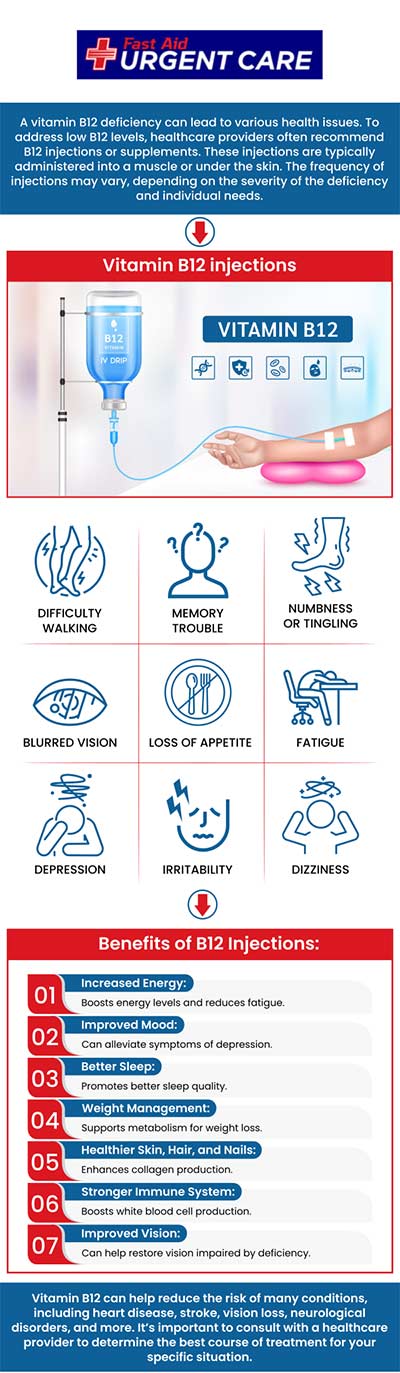
Key Batches of Recalled SATAMIN Injection
The recall explicitly applies to the following batches of Injection SATAMIN (mecobalamin JP 500 mcg), registered under No: 071284:
- Batch No MC24-022 – Expiry: July 2026
- Batch No MC24-023 – Expiry: June 2026
- Batch No MC24-026 – Expiry: July 2026
- Batch No MC25-001 – Expiry: July 2027
The Drugs Control Directorate has also precisely instructed the manufacturer to ensure the complete withdrawal of these affected batches from circulation. They emphasize that strict compliance with this recall order is mandatory, maintaining an unwavering commitment to national health standards. Authorities underscore that this action is designed to protect public health and prevent the use of compromised pharmaceutical products, reinforcing trust in the national drug supply chain.
The Socio-Economic Impact: Protecting Pakistani Citizens’ Health and Trust
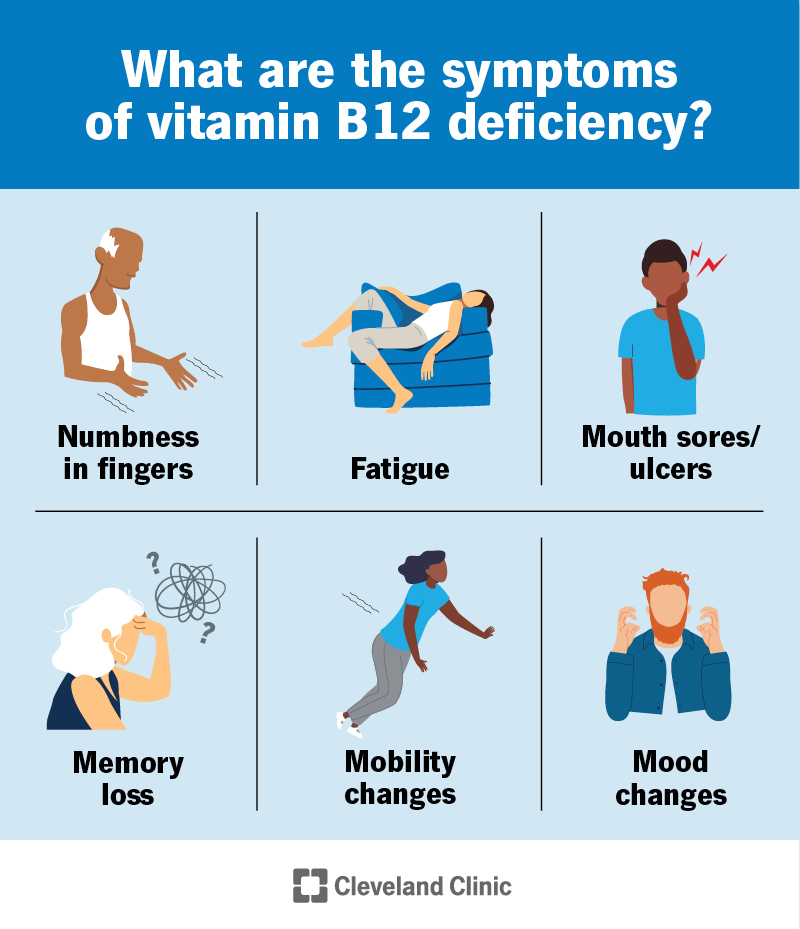
This critical recall directly impacts the daily life of Pakistani citizens, particularly those managing vitamin B12 deficiencies. For students and professionals in urban centers, access to reliable medication is paramount for maintaining cognitive function and energy levels. Conversely, in rural Pakistan, where healthcare access can be more challenging, the presence of substandard B12 injection products could exacerbate health issues and erode trust in medical provisions. This proactive measure mitigates the risk of ineffective treatment, safeguarding household health budgets and preventing the potentially severe health repercussions associated with untreated B12 deficiency. Ultimately, it ensures that citizens receive the calibrated care they expect and deserve.
Beyond individual health, the incident impacts the broader pharmaceutical ecosystem. Trust in locally manufactured drugs is a foundational element for a healthy society and a robust national healthcare infrastructure. When products are recalled due to quality concerns, it necessitates a swift and transparent response to maintain public confidence. This action by the Directorate demonstrates a commitment to upholding rigorous quality benchmarks, fostering a more reliable environment for both healthcare providers and patients across Pakistan.
The Forward Path: A Critical Stabilization Move for Public Trust
This development fundamentally represents a Stabilization Move for Pakistan’s pharmaceutical sector. While not a direct “Momentum Shift” in innovation, it is a crucial reinforcement of existing regulatory frameworks and quality assurance protocols. The swift identification and recall of these substandard products demonstrate an operational capacity to protect citizens from compromised medications. Moving forward, this incident should serve as a catalyst for enhanced surveillance and more rigorous quality assurance checks throughout the supply chain. Precision in pharmaceutical manufacturing and distribution is not merely a compliance issue; it is a foundational element for national health security and economic productivity.