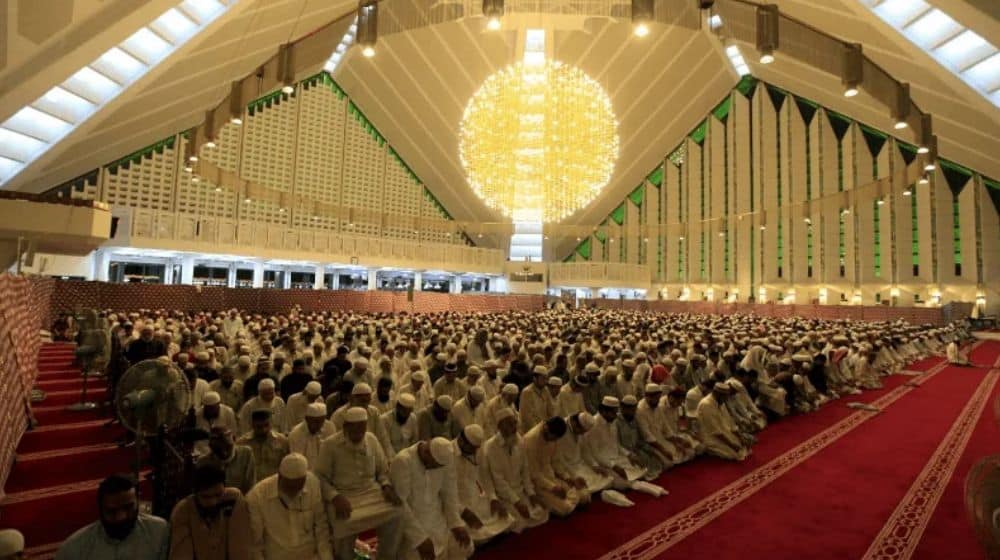
The federal government has initiated a structural reform, approving unified prayer timings for Azan and congregational prayers across Islamabad and Rawalpindi. This strategic calibration targets enhanced religious harmony and operational unity. The decision, stemming from a comprehensive consultative meeting, sets a crucial baseline for potential nationwide implementation, beginning with a pilot phase for Friday prayers.
The Translation: Calibrating Community Rhythms
This initiative establishes a singular, standardized schedule for the call to prayer (Azan) and subsequent congregational prayers within the twin cities. Previously, minor discrepancies existed between various mosques and localities. The Federal Minister for Religious Affairs, Sardar Muhammad Yousaf, chaired a pivotal consultative meeting. Furthermore, this gathering included diverse religious scholars and key representatives from the business community. Their unanimous agreement underscores a collective commitment to fostering a cohesive spiritual environment.

Socio-Economic Impact: Streamlined Daily Life and Trade
This policy directly impacts the daily routines of Pakistani citizens, particularly in urban centers. For professionals and students, it eliminates ambiguity regarding prayer times, enabling more precise scheduling of work and study. Moreover, traders in Islamabad and Rawalpindi have expressed willingness to align their shop closures with Azan, facilitating easier participation in congregational prayers. Consequently, this streamlines local commerce around spiritual practices. This synchronized approach also cultivates a stronger sense of community, reducing potential friction points and promoting a shared cultural rhythm.
The Forward Path: Strategic Advancement of Unified Prayer Timings
This development represents a Stabilization Move. While not a radical momentum shift, it systematically addresses existing operational variances within a vital social structure. By harmonizing religious observance, the government builds a baseline for greater societal cohesion. Strategically, this initiative could serve as a calibrated model for extending this synchronized system nationwide. Therefore, it establishes an essential framework for national unity and a more predictable urban infrastructure.