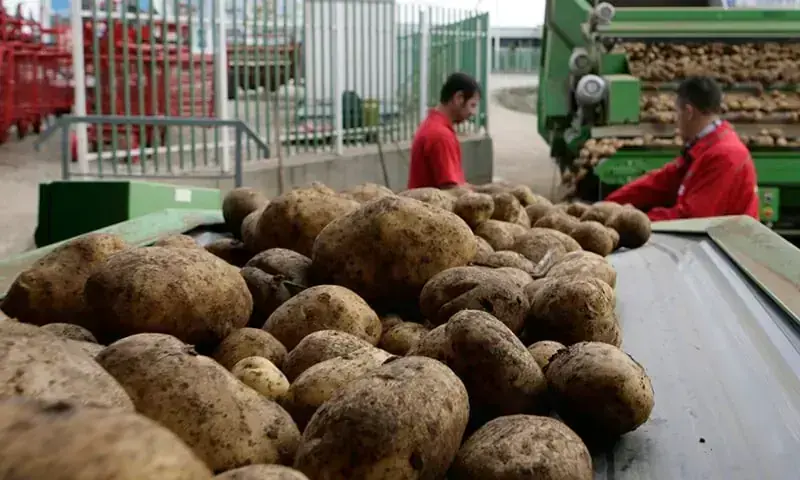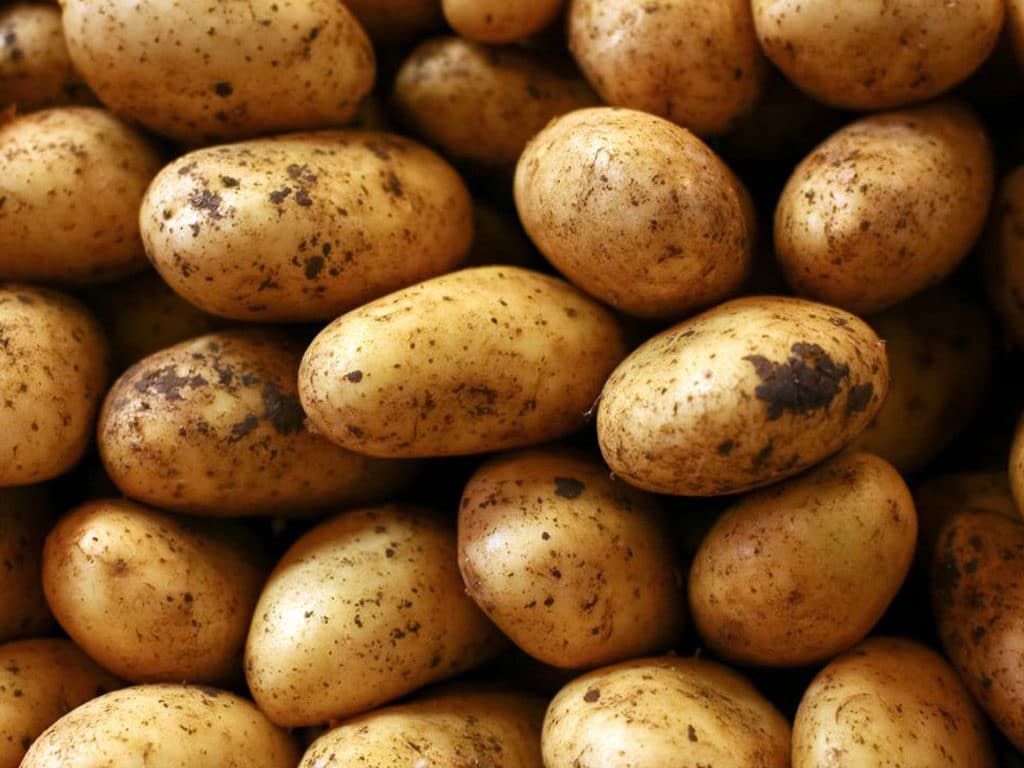
Pakistan’s agricultural sector faces a critical juncture as the National Assembly’s Standing Committee on National Food Security and Research has strategically sought Prime Minister Shehbaz Sharif’s direct intervention to resolve the escalating potato price crisis. This calibrated move aims to stabilize volatile market prices and protect the foundational economic interests of potato growers nationwide. Furthermore, the committee plans to brief the Prime Minister on the severe situation, proposing timely government actions to prevent further systemic erosion in the agricultural supply chain.
Understanding the Agricultural Cost-Benefit Equation
The committee’s deliberations in Islamabad centered on several pivotal challenges. Foremost among these are the persistently low potato prices in local markets juxtaposed against rising production costs for farmers. Consequently, this creates an unsustainable economic model for growers. Moreover, significant export bottlenecks, a lack of adequate subsidy support, and the urgent need for robust policy interventions were thoroughly discussed. The overarching goal remains to stabilize the market and safeguard the livelihoods of those dedicated to potato cultivation.

The Translation: Decoding Market Instability
This situation translates into a profound imbalance where the input costs for farmers, including seeds, fertilizers, and labor, dramatically exceed the revenue generated from selling their produce. The committee’s logic is clear: without direct, strategic intervention, growers face severe financial hardship. Therefore, calls for the government to directly purchase potatoes at fair prices represent a critical mechanism to immediately stabilize incomes and inject much-needed capital into the farming community, preventing widespread economic distress.
The Socio-Economic Impact: Daily Life Repercussions
For the average Pakistani citizen, the potato price crisis might seem distant. However, its ripple effects are tangible. Lower farmer incomes translate to reduced purchasing power in rural areas, impacting small businesses and local economies. Furthermore, an unstable supply chain can lead to eventual price spikes for consumers, affecting household budgets. Students from farming families might face educational disruptions due to financial strain, while professionals in agricultural support industries could see reduced opportunities. This crisis, therefore, has structural implications for both urban and rural households, emphasizing the critical need for a stable food economy.
The “Forward Path”: A Stabilization Move
This development represents a Stabilization Move rather than an immediate Momentum Shift. While proactive engagement with the Prime Minister is crucial, the focus remains on mitigating an existing crisis. True momentum would involve long-term structural reforms in agricultural planning, export infrastructure, and direct farmer support mechanisms beyond immediate purchase interventions. This is a vital corrective action to prevent further decline, but it sets the baseline for future growth rather than initiating it.
Calibrating Export Dynamics and Policy Adjustments
Officials from the Department of Plant Protection reported a notable increase in overall potato exports compared to the previous year. This surge in production this season is largely attributable to favorable weather conditions. Conversely, the Ministry of Commerce acknowledged taking up export-related issues with relevant authorities, specifically those raised by the Punjab government. Addressing these logistical and policy hurdles is paramount for efficient market operation.

Logistical Impediments and Strategic Directives
Recognizing the urgency, the committee issued a strategic directive. It mandated the Ministry of National Food Security and Research to convene a joint meeting encompassing the Ministry of Commerce, Ministry of Foreign Affairs, the Punjab Agriculture Department, National Logistics Cell, and key potato growers’ associations. This multi-stakeholder collaboration aims to comprehensively address the crisis. A detailed report must be submitted by February 2, ensuring accountability and a timeline for actionable solutions.
Special invitee Rao Muhammad Ajmal Khan provided a comprehensive briefing on potato production costs and prevailing market prices. He precisely outlined the reasons for the recent price decline. Crucially, he highlighted persistent export-related challenges, including significant transportation constraints, limited storage capacity, complex visa issues for traders, and delays in phytosanitary certification processes. Furthermore, various logistical hurdles impede the seamless flow of produce to international markets.
Expanding the Scope: Sugarcane Sector Deregulation and Future Crop Cycles
Beyond the immediate potato crisis, the committee also structurally discussed future policy on the deregulation of the sugarcane sector. This discussion emphasized the imperative need to protect sugarcane growers, ensure timely procurement and crushing by mills, and guarantee prompt payments to farmers. The Ministry of Industries and Production then briefed members on concrete steps taken, including coordination with provincial governments and enforcement actions against sugar mills to safeguard growers’ interests.
In a forward-looking recommendation, the committee urged the Ministry of National Food Security and Research to adopt a profoundly proactive approach. This mandate extends beyond merely resolving current crop issues; it necessitates meticulous planning for future crop cycles. The objective is to ensure long-term price stability, robust farmer protection, and ultimately, enhanced national food security through strategic foresight and calibrated policy implementation.