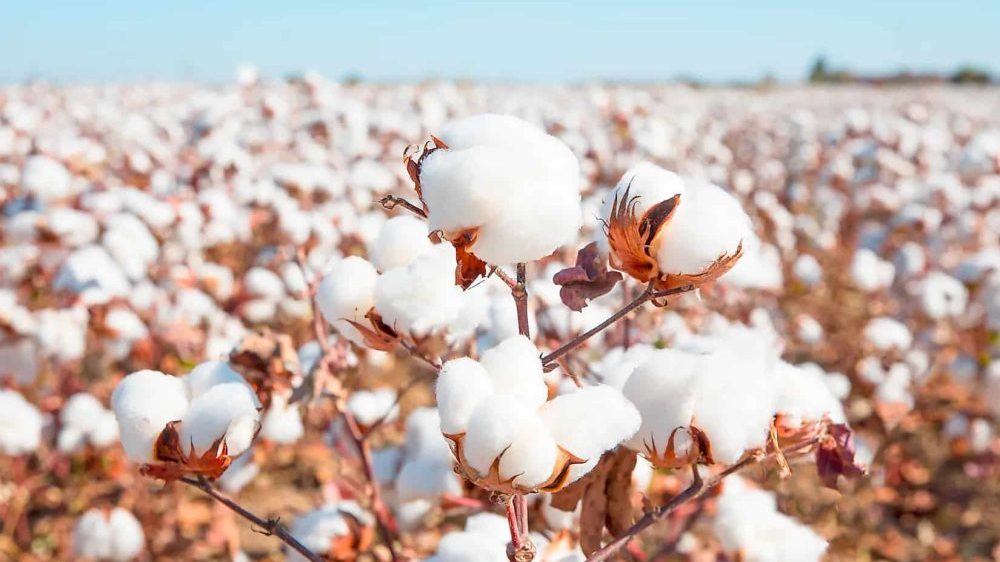
Precision data indicates that Pakistan Cotton Production levels have remained largely stable, a critical baseline for the nation’s agricultural economy. Sindh province has demonstrated strategic growth, significantly increasing its output and thereby offsetting a calibrated decline in Punjab. This balanced performance is pivotal for the national textile sector, yet underlying challenges such as lagging sowing targets persist, signaling potential future reliance on imports. Understanding these structural shifts is essential for Pakistan’s economic advancement.
The Translation: Deconstructing Cotton Metrics
As of January 15, 2026, Pakistan’s cotton arrivals at ginneries registered 5.497 million bales. This figure stands almost flat when benchmarked against the 5.490 million bales recorded during the same period last year. This consistency provides a crucial metric for evaluating agricultural stability, despite minor provincial fluctuations. Furthermore, total arrivals remain marginally below the 5.525 million bales noted by February 28, 2025, suggesting a slight deceleration in the overall supply chain.
Provincial data reveals a dynamic shift in regional contributions. Punjab, historically a major producer, experienced a 4 percent year-on-year decline, with arrivals dropping to 2.586 million bales from 2.687 million. In contrast, Sindh province posted a robust 4 percent year-on-year increase, boosting its arrivals to 2.911 million bales from 2.803 million. Consequently, Sindh has emerged as a primary contributor to the nation’s cotton supply infrastructure, demonstrating enhanced agricultural resilience.
However, an essential long-term concern is the current cotton sowing trajectory. For fiscal year 2026, total sowing spans 2.00 million hectares, falling short of the targeted 2.26 million hectares. Farmers have effectively achieved 88.6 percent of the planned area for harvest, yet this shortfall in initial cultivation could create systemic pressures. Specifically, lower sowing figures, coupled with stagnant arrivals, could suppress overall national cotton output, potentially increasing import reliance and impacting textile sector margins.
The Socio-Economic Impact: Calibrating Daily Life
The stability and regional shifts in cotton output directly influence the daily economic fabric of countless citizens. For rural farming communities, Sindh’s increased production means sustained or improved incomes, providing a critical economic lifeline. Conversely, the decline in Punjab could pose financial challenges for farmers there, requiring new strategies for crop diversification or enhanced yield per hectare. This disparity highlights the need for regionally tailored agricultural policies to ensure equitable prosperity.
For the urban professional and household, particularly those linked to the vast textile industry, these figures are a primary indicator of market stability. A robust cotton supply ensures consistent raw material for spinning mills, supporting employment and maintaining export competitiveness. Conversely, an increased reliance on imported cotton due to domestic shortfalls could elevate production costs, potentially translating into higher prices for clothing and textile products for the average Pakistani consumer. Therefore, the strategic management of this vital agricultural resource impacts both livelihoods and household budgets.
The “Forward Path”: A Stabilization Move with Potential
This period represents a “Stabilization Move” rather than a definitive “Momentum Shift” for Pakistan’s cotton sector. While Sindh’s impressive growth is a clear indicator of regional progress and agricultural adaptability, the overall national stability merely holds the baseline. The persistent lag in achieving national sowing targets requires immediate, strategic intervention. Precision agricultural techniques, coupled with enhanced farmer support programs, are essential to transform this stabilization into sustained national advancement.
Looking ahead, Pakistan must leverage Sindh’s success as a blueprint for other regions. Implementing advanced irrigation systems and superior seed varieties can unlock higher yields across the board. Such structural improvements will solidify the nation’s cotton supply, diminishing import dependencies and bolstering the textile industry’s global standing. Ultimately, a proactive, data-driven approach is paramount for cultivating long-term economic resilience and national prosperity.