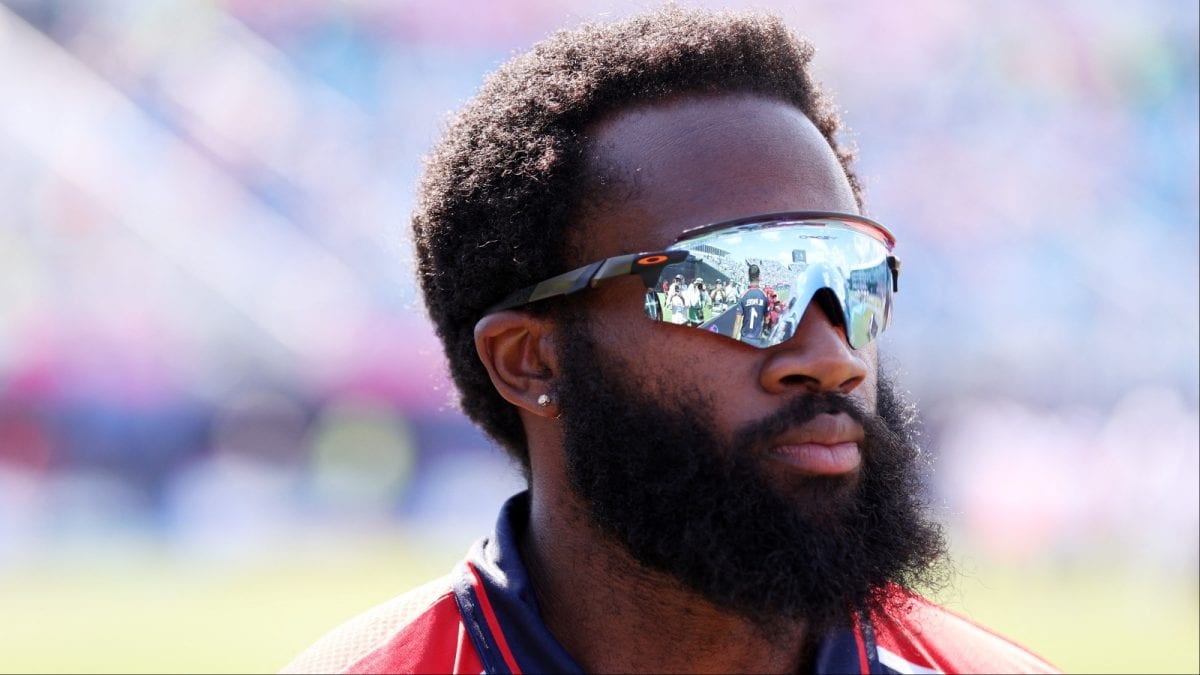
The International Cricket Council (ICC) has provisionally suspended USA batter Aaron Jones, a move that critically impacts global cricket integrity. This decisive action, stemming from breaches of both ICC and Cricket West Indies (CWI) anti-corruption codes, centers on alleged activities during the 2023–24 Bim10 tournament and international matches. Consequently, this Aaron Jones suspension mandates his immediate removal from all cricket forms, granting him 14 days to respond to serious charges. This development, occurring just before the ICC Men’s T20 World Cup 2026, forces the USA team into an urgent strategic recalibration as they prepare their squad.
Structural Integrity of Cricket: The Aaron Jones Suspension
In a strategic move to uphold the baseline of sporting ethics, the International Cricket Council (ICC) announced the provisional suspension of USA batter Aaron Jones. This action specifically targets breaches of anti-corruption protocols enforced by both the ICC and Cricket West Indies (CWI). This decisive measure ensures that any perceived compromise to the game’s fairness is addressed with immediate and firm resolution.
The Translation: Decoding Anti-Corruption Protocols
A provisional suspension effectively removes a player from all cricketing activities until a formal investigation concludes or charges are addressed. For Jones, these charges primarily relate to the 2023–24 Bim10 tournament, falling under the jurisdiction of the CWI Anti-Corruption Code. Furthermore, two additional charges directly pertain to international matches, governed by the ICC’s Anti-Corruption Code. This dual jurisdiction underscores the comprehensive framework designed to safeguard cricket’s integrity at all levels.

Calibrating Standards: A Deep Dive into the Charges
The detailed charges against Aaron Jones illuminate the specific parameters of corrupt conduct that cricket’s governing bodies actively monitor and penalize. These allegations highlight attempts to manipulate match outcomes and failures in reporting crucial information. Consequently, a transparent and robust investigation process is paramount to maintaining the sport’s credibility.
- Breach of Article 2.1.1 of the CWI Code: This involves fixing, contriving to fix, or improperly influencing the result, progress, or conduct of matches in the Bim10 tournament (2023/24).
- Breach of Article 2.4.2 of the CWI Code: A failure to disclose details of any approaches or invitations to engage in conduct breaching the CWI Code.
- Breach of Article 2.4.4 of the CWI Code: Failure or refusal to cooperate with a reasonable investigation by the Designated Anti-Corruption Official regarding potential CWI Code offenses.
- Breach of Article 2.4.4 of the ICC Code: This mandates failing to disclose to the ICC ACU full details of any approaches or invitations received for Corrupt Conduct under the ICC Code.
- Breach of Article 2.4.7 of the ICC Code: Obstructing the ACU’s investigation by concealing or tampering with relevant information or evidence of Corrupt Conduct.

Systemic Impact: The T20 World Cup and Beyond
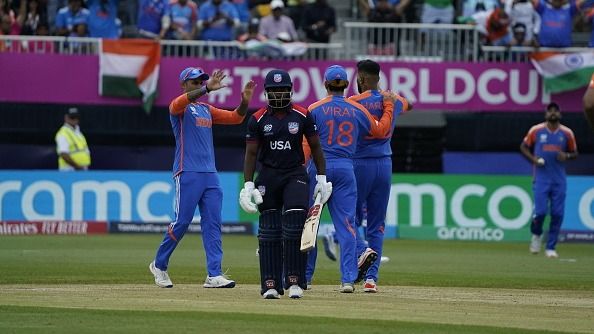
The timing of this significant Aaron Jones suspension has immediate and profound implications for USA cricket. With the ICC Men’s T20 World Cup 2026 rapidly approaching, the team faces an unexpected challenge in finalizing its squad. Jones’s absence necessitates swift strategic adjustments, potentially impacting team dynamics and performance trajectories.
Jones, a seasoned player, has represented the USA in 52 One Day Internationals and 48 T20 Internationals, accumulating 2,434 runs across formats, including one century and 13 half-centuries. His statistical contribution highlights the void his suspension creates for the national side, demanding critical re-evaluation of team composition.
The Socio-Economic Impact: Safeguarding Public Trust in Sport
For the average Pakistani citizen, particularly those who follow cricket passionately, this development underscores the global commitment to fair play. Instances of alleged match-fixing erode public trust in sports, affecting fan engagement and the perception of athletes as role models. Consequently, rigorous enforcement of anti-corruption codes protects the integrity of the game, ensuring that sporting achievements are earned through skill and dedication, not illicit means. This maintains the aspirational value of cricket for young students and emerging professionals across urban and rural Pakistan.
The Forward Path: Upholding Sporting Ethics
Momentum Shift or Stabilization Move?
This incident represents a definitive Stabilization Move for global cricket. It is not merely a reaction but a calculated reinforcement of existing ethical frameworks. The ICC’s proactive stance, coupled with the ongoing wider investigation, signifies a commitment to systematically identify and neutralize threats to the sport’s fundamental integrity. Such actions, though disruptive in the short term, are crucial catalysts for long-term trust and sustainable growth within the cricketing ecosystem. They send a clear signal that illicit conduct will be met with calibrated disciplinary action, preserving the game’s structural honesty.
The ICC’s statement explicitly indicates that these charges are part of a broader investigation. This suggests that further charges against other individuals are likely to emerge, reinforcing the extensive nature of the current anti-corruption efforts. This structural approach aims to comprehensively cleanse and fortify the sport against systemic vulnerabilities.