Strategic Fuel Pricing: Anticipating a Petroleum Price Increase
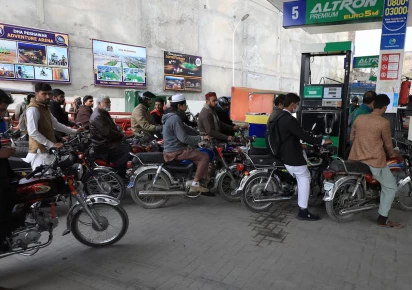
Pakistan is poised for a significant petroleum price increase impacting various fuel products from February 1. The Oil and Gas Regulatory Authority (OGRA) has finalized its adjustment recommendations, forwarding a summary to the Petroleum Division. This calibrated move reflects global oil market dynamics and shifts in exchange rates, signalling an essential modification in the nation’s energy cost structure. Consequently, consumers should prepare for revised pricing across multiple fuel categories. While high-speed diesel, light diesel oil, and kerosene are projected to rise, petrol prices may offer slight stability.
The Translation: Deconstructing Fuel Cost Dynamics
The impending adjustments are not arbitrary; they are structurally linked to international crude oil benchmarks and the Pakistani Rupee’s valuation against major currencies. Specifically, OGRA’s analysis indicates high-speed diesel may increase by Rs. 9.47 per liter. Furthermore, light diesel oil is projected to climb by Rs. 6.95 per liter, with kerosene oil also seeing a rise by Rs. 3.69 per liter. In contrast, petrol offers a minor deviation, potentially decreasing by Rs. 0.36 per liter or remaining stable. Prime Minister Shehbaz Sharif will make the final decision after detailed consultations. An official notification, scheduled for January 31, will formalize these new rates, which become effective on February 1.
Socio-Economic Impact: Calibrating Daily Life Costs
These frequent fuel price alterations directly influence the economic baseline for Pakistani citizens. A significant petroleum price increase, particularly in diesel, directly escalates transportation costs for goods, thereby affecting supply chain efficiency. Consequently, this translates into higher prices for essential commodities, impacting household budgets across urban and rural Pakistan. Students reliant on public transport will face increased commuting expenses. Professionals may see a rise in their daily operational costs. For instance, the agricultural sector, heavily dependent on diesel for machinery and irrigation, will absorb additional operational expenditures. This cascade effect emphasizes the intricate link between global energy markets and local economic stability, underscoring the necessity for strategic resource management.
The Forward Path: A Stabilization Move for National Advancement
This development represents a Stabilization Move rather than an immediate Momentum Shift. Pakistan’s economy requires predictable energy pricing to foster industrial growth and maintain inflationary controls. While the immediate effect of rising fuel costs is challenging for consumers, these adjustments are critical for aligning domestic pricing with international realities. A transparent pricing mechanism, however, is a fundamental pillar for long-term fiscal health. Moving forward, the strategic imperative is to explore and implement alternative energy solutions and enhance domestic energy production. Such calibrated actions will reduce reliance on volatile global markets, ultimately bolstering national resilience and fostering sustained advancement.